
7hz , hailing from the land to Pandas is known for their high quality planar based IEMs. Their Timeless lineup is very popular yet they have other planar IEMs under their belt too. They do have a few DD based IEMs too. I have their Five which is a warm and engaging IEM. My encounter with both of the Timeless IEMs weren’t pleasant. I didn’t like the overly warm and smooth presentation of the OG while the 2 was patchy and inconsistent with energy.
What I have here with me is an evolution of their planar IEMs. 7hz Divine uses the same 14.5mm driver but has a different tuning. Available in only chrome color, it’s priced at $149 and interestingly this IEM is available with only 3.5mm termination. In any case, let’s jump in and find out how this shiny IEM sounds and compares against the EPZ P40 and P50 tri-brid IEMs.
Get one from here:
For Indian buyers:
UNBOXING AND ACCESSORIES:
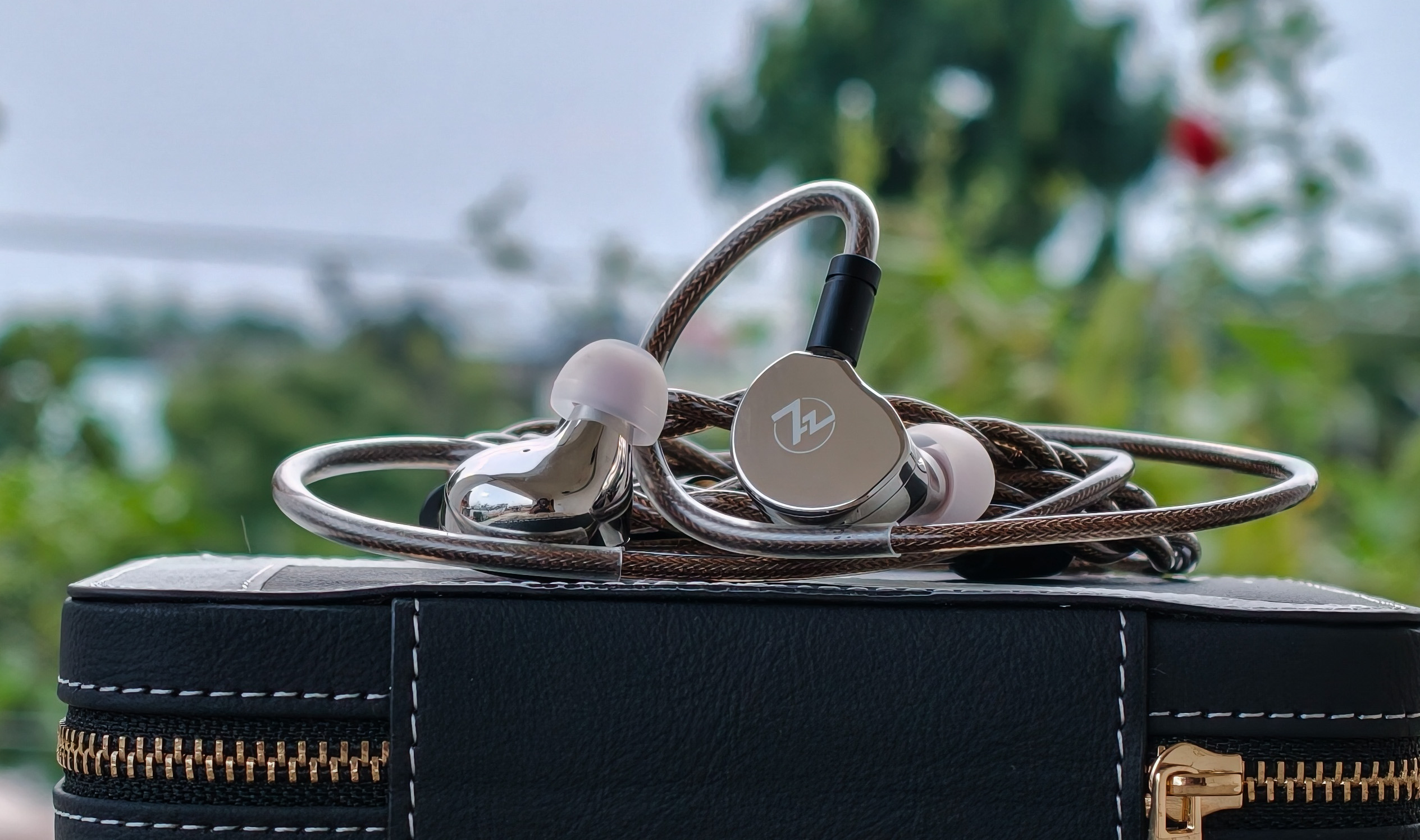
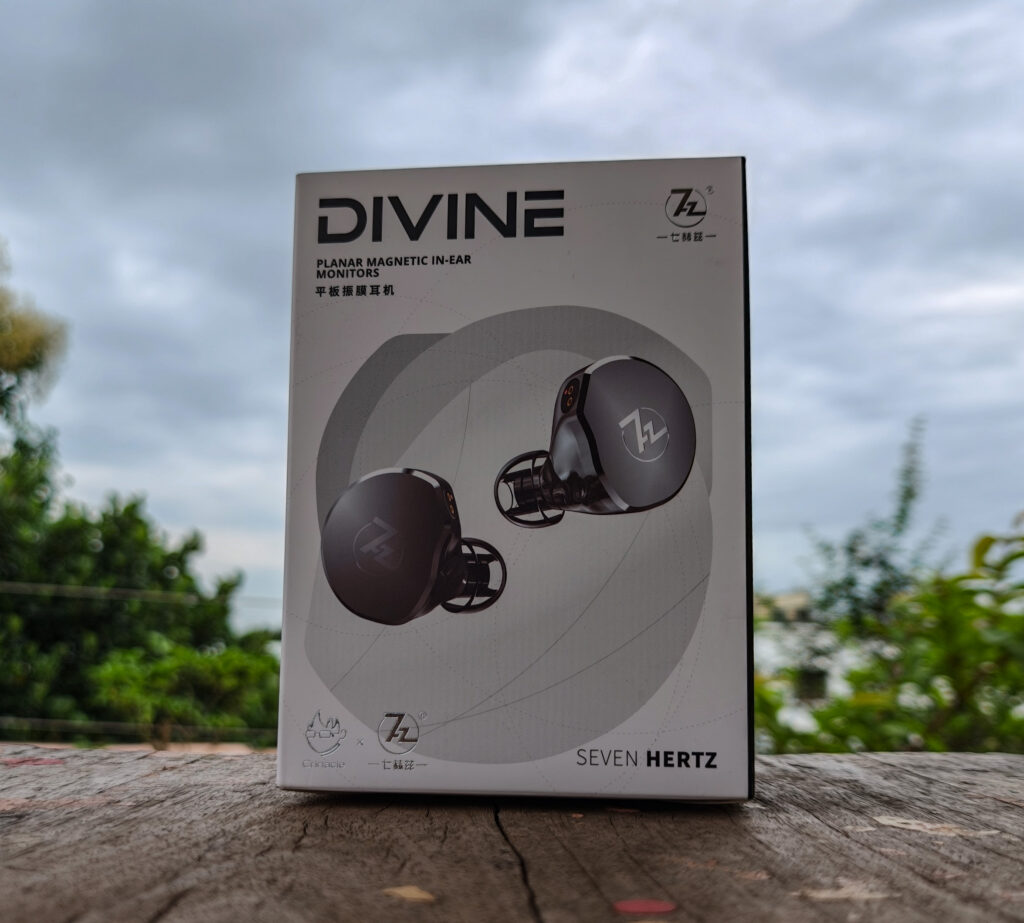
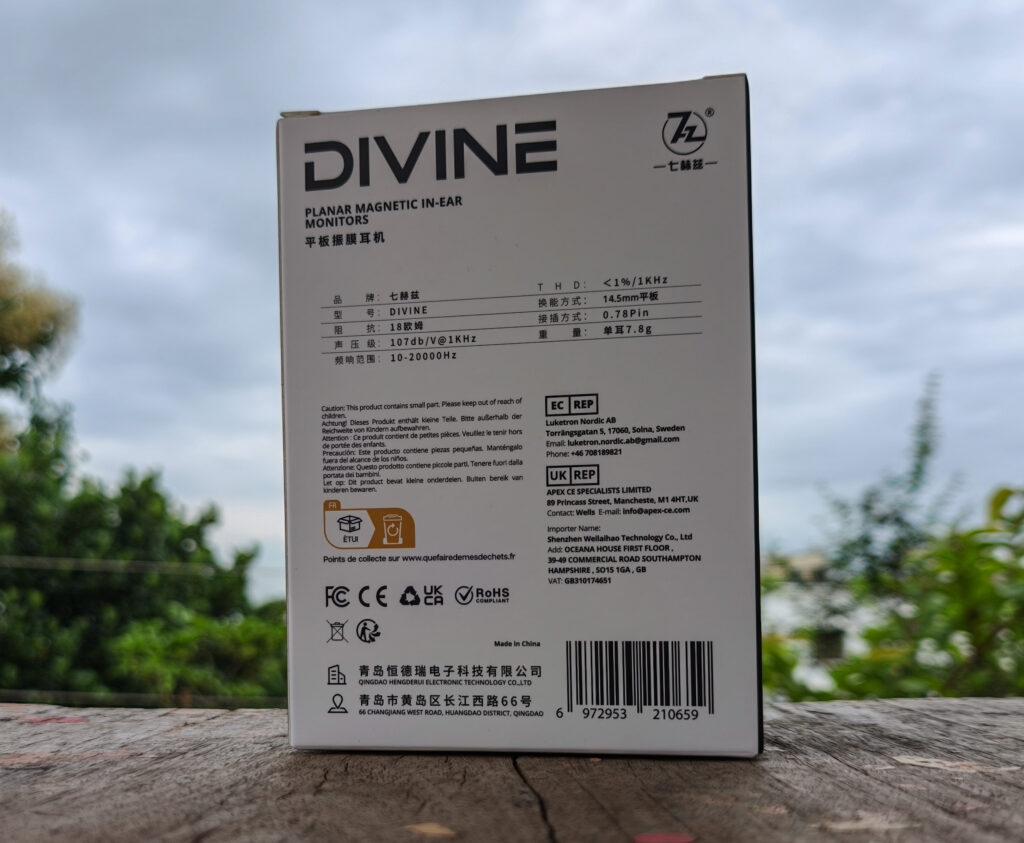
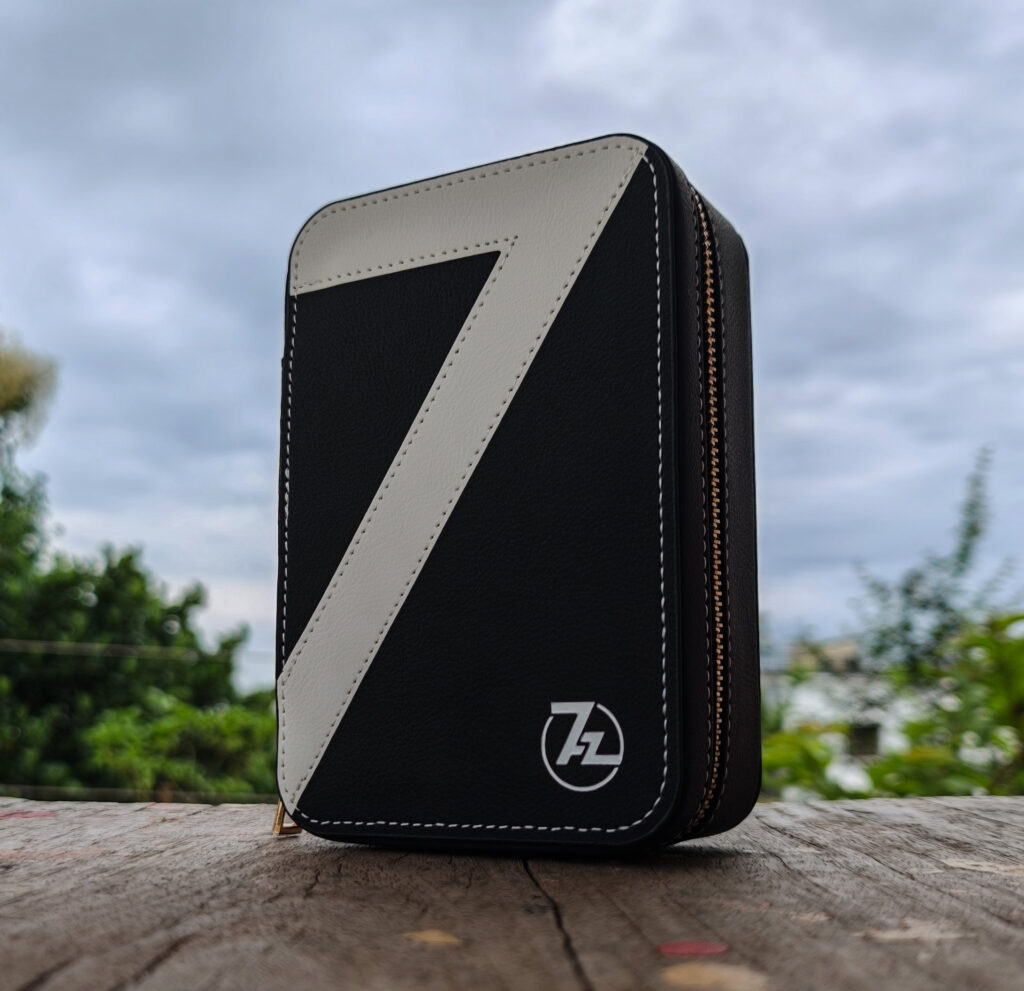
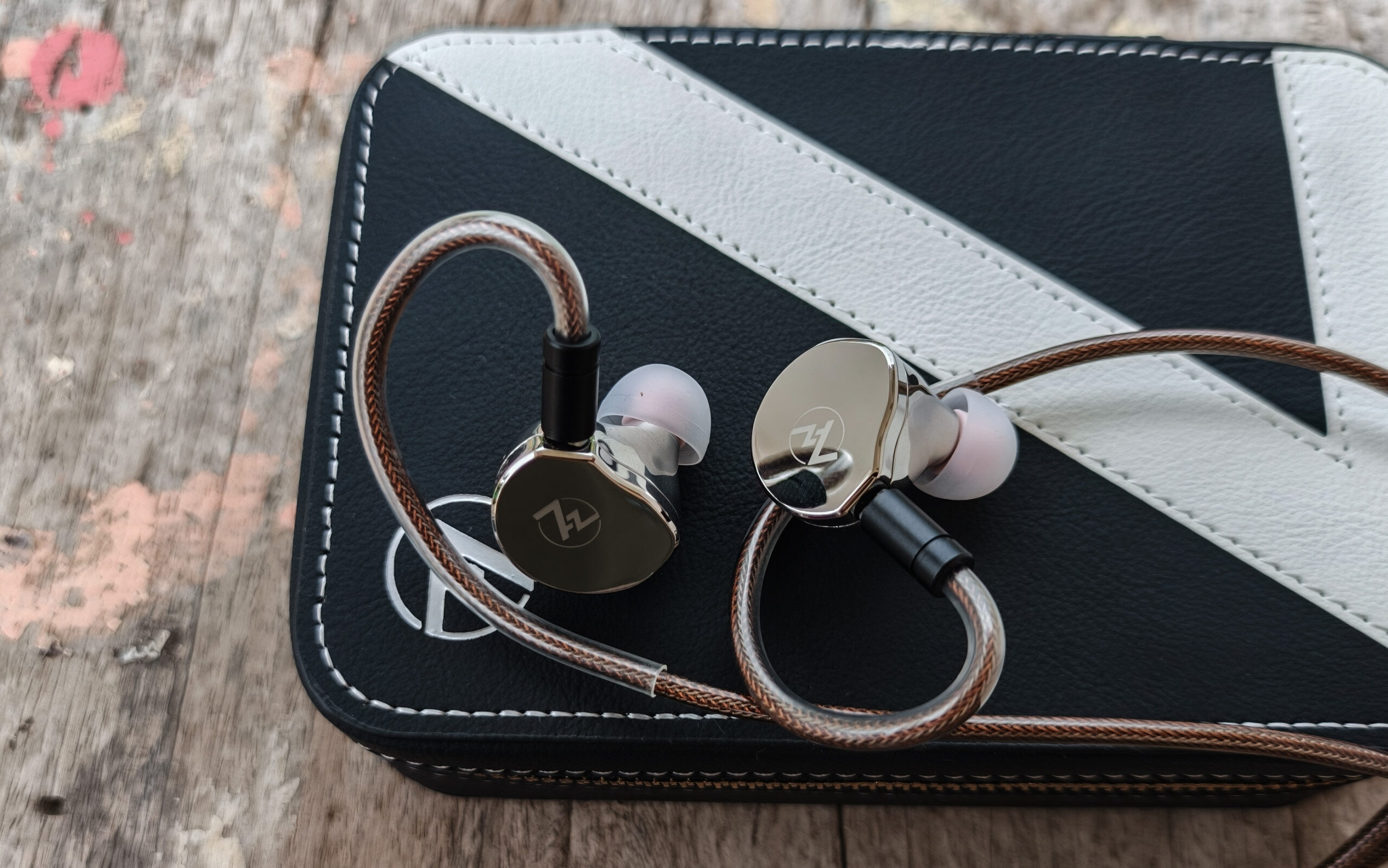
7hz has been straightforward with their packaging and there is nothing different here. Inside the paper cover we have the carry case and everything is placed inside it. It’s very much similar to the Ziigaat case but slightly bigger and more premium looking. We get a couple of sets of ear tips, color and blue, a dual core 3.5mm cable and a cable tie conclude the list of usable accessories.


BUILD QUALITY:
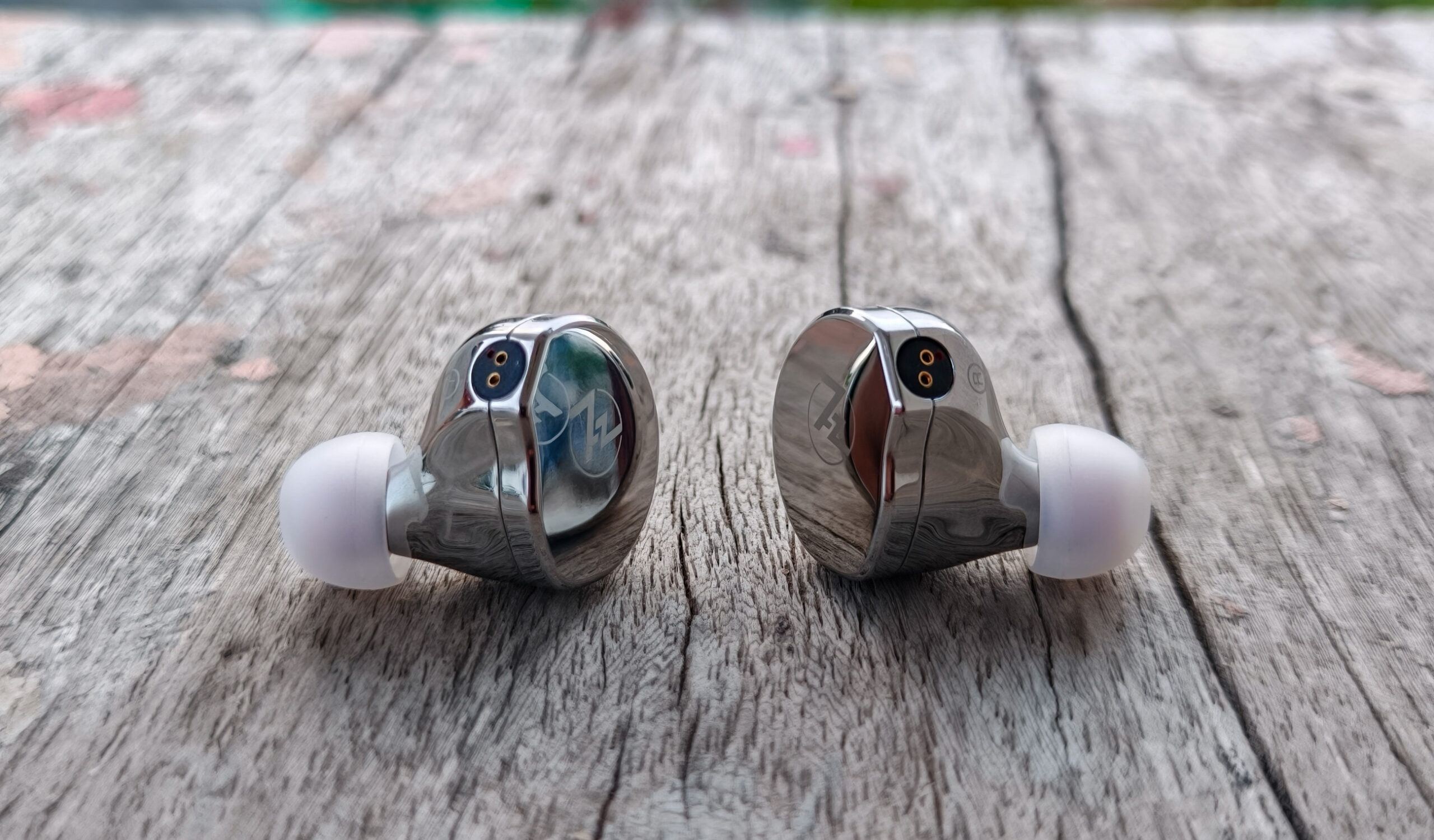
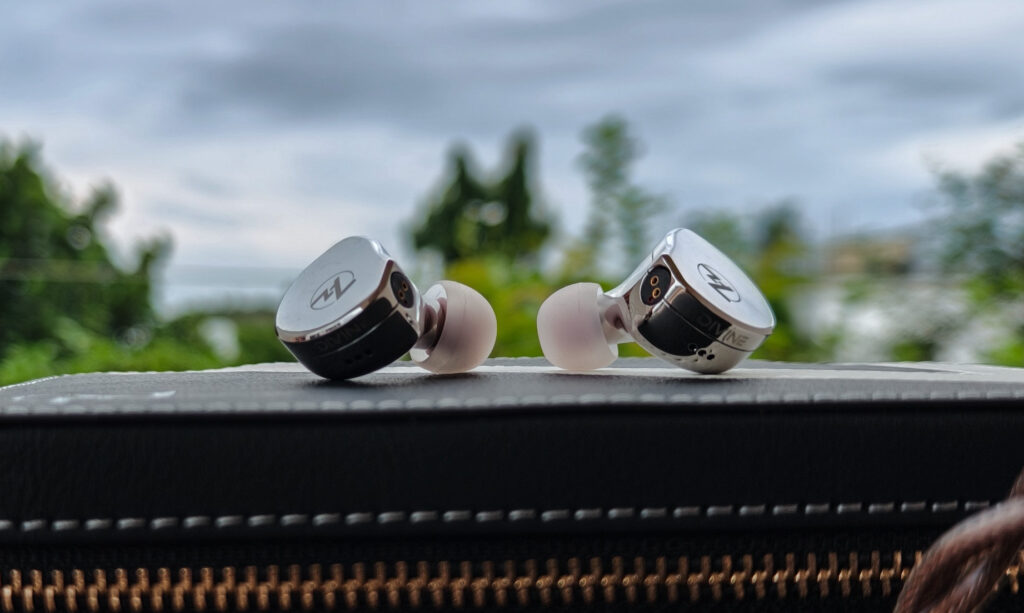
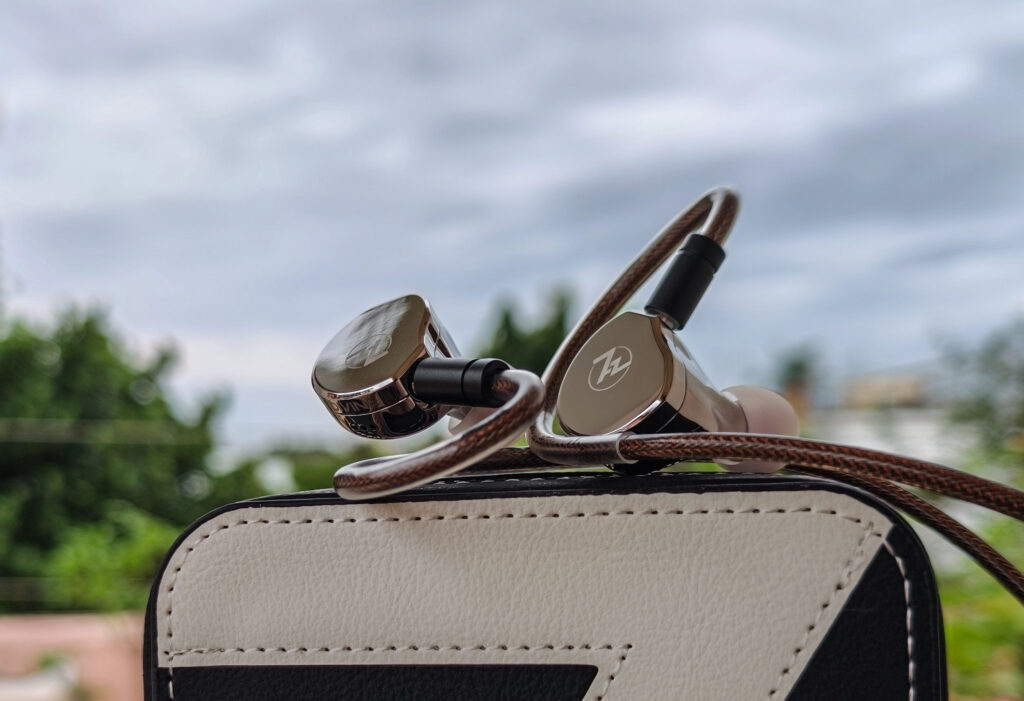
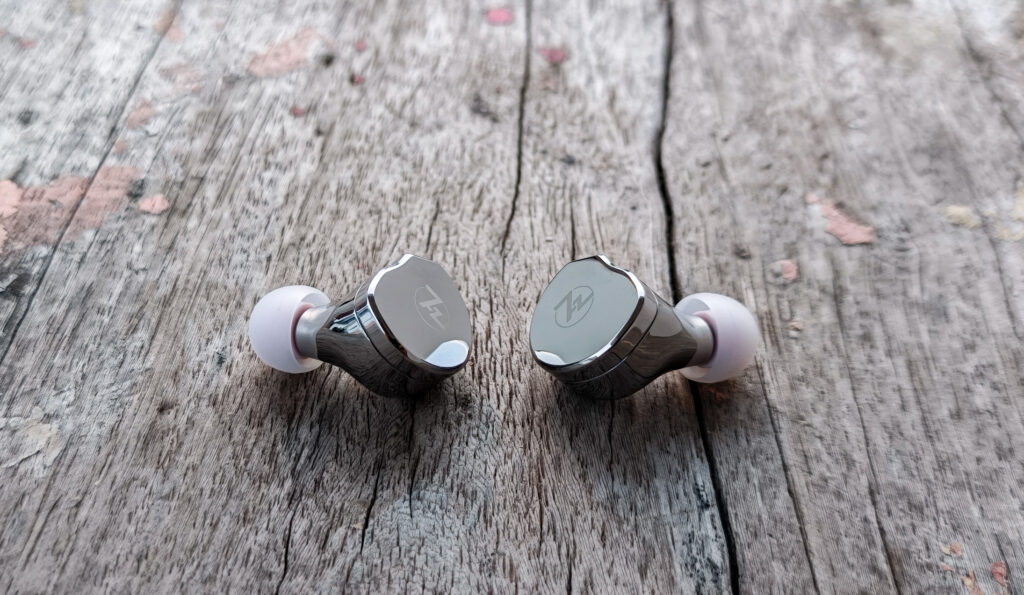
Divine uses CNCed aerospace grade aluminum shell and it looks fantastic but this mirror finish is a bit too prone to smudges. I would have liked a matte finish here but the good thing is this looks heavy but isn’t. It’s build to last and feels sturdy and stable in hand. It can easily survive a drop on the floor too. It’s not a very ergonomically shaped iem but it has curves at the right places and doesn’t cause any discomfort inside the ears. Another good thing is the longer nozzle, offering class leading stability and fit. We get two set of vents on the body, one aside the 2pin socket and another on the inner shell.


CABLE:
This cable is decent. We are getting a dual core, high purity single crystal copper cable. It’s a bit on the stiffer aide because of the pvc coating but isn’t bouncy or microphonic. Parts used are of very good quality and are low profile. Cable slider is a bit on the loose side but that’s understandable. Cable guides are a bit on the thicker and aggressive side.

PAIRING WITH SOURCES:
This is not a whiney IEM but thanks to its more balanced, slightly revealing presentation, it doesn’t pair well with transparent and bright sounding sources. I will suggest a warmer one to take off the edge or else it’s not a very picky.
And just like any other planar IEM, Divine too enjoys good amount of power and opens up when fed properly. I paired it with Muse Hifi M3 ultra and Hidizs AP30 music boy and theses pairings are fantastic.

SOUND QUALITY:
These planar drivers are getting better with each generation and I have no reservations in stating that the 3rd gen 14.5mm planar drivers of Divine is the best from 7hz. I have heard the Timeless 2 and that was a patchy IEM to be precise. This is much better in that regard. Equipped with a W shaped signature this IEM offers very good balance of everything. Unlike the Astralis this is a bit more consistent and uniform throughout the spectrum. We get very good energy across the spectrum with a few hits and a couple of minor misses. What we get here is a brighter overtone and warmer undertone, offering class leading combo of definition and body. It’s still is a bit on the precise side but does admirably well in maintaining very good tonality.
Let’s dive deeper.
I am using stock tips and Tanchjim Space 2 and Hidizs AP30 music boy as source for this review.

BASS:
This is an aptly clean sounding IEM and the bass is on the tight and cleaner side. I was expecting it to be a bit more punchy and rumbly, because of my experience with the Timeless twins but what this IEM offers is better accuracy and precision with excellent control over decay speed. It’s not like it can’t offer big bass body but that totally depends on the tracks, exhibiting it’s dynamics. We get very good sub-bass extension and good amount of rumbles but it’s the texture that makes everything sound grippy. Mid bass is a bit fuller and meaty yet it’s not big with the body or air movement. Just like other planars, Divine isn’t able to move the notes deeper into the head but can definitely control their intensity. It can move the notes back and place them out of the head. Decay is slightly on the faster side but still can offer decent heft. Upper mids are definitely the cleanest under $200. There is literally no unwanted softness to them.
MID RANGE:
Divine has a mildly W shaped to it and it mostly emphasizes the vocals a bit while the instruments Around it are slightly less forward and this includes the lower mids too. This phase is slightly on the leaner side but isn’t dry or lack clarity. In fact it’s got a bit of finishing energy and if you like a clarity oriented presentation, you will love this.
Just like the Timeless II, vocals of Divine too are on the transparent and cleaner side. Male vocals have good body and poise to them but female vocals are more accurate and true to natural with the energy and weight. Both have very good texture. Instruments on the other hand are slightly less forward while offering very good clarity and definition. This IEM has better air and micro details when compared to the Astralis and S12 Ultra because of its accurate and precise body. Macro dynamics are very good with definition. We get very good Z-axis depth and nice layering in that plane. Overall tonality of this IEM is very much netural with a warmish timbre, giving it a clean and transparent character. Upper mids are slightly on the revealing side and offer good bite without any extra aggression. Yes, this is not a warm or smooth sounding IEM. If you want very good clarity and resolution, this is definitely the one to consider.
HIGHS:
Timeless, the OG one was below par with the highs. 2 bought in very good clarity and definition but was a bit on the aggressive side. Divine has refined this. It’s more uniform with the energy while maintaining impressive agility, sparkle and extension. Unlike the Astralis that gets slightly softer at the upper treble region, Divine maintains class leading energy and transparency up till the end. Instruments are slightly more precise and cleaner and because of this Divine sound more revealing and truer to the aggression on cymbals and violins. Timbre is very accurate while tonality is slightly on the brighter side but this enhances the clarity instead of making things uncomfortable. We are getting class leading air between instruments and positional accuracy is fantastic too.
STAGE AND IMAGING:
This is where power comes into play. Divine has a big stage, bigger than the Astralis but needs a powerful source to exhibit its expansion. We are getting very good height and depth but the X-axis width is class leading for this price range. We have most of the bass and vocal notes placed inside the head while the mid range and treble instruments are placed out of the head. We get very good diagonal projections too and no part of the spectrum feels hollow.
I have no issues in stating that I love this imaging. It’s clean clear and excellent with cue placement accuracy. Sonics too are class leading with good subtlety with the background transient instruments.
COMPARISON:
VS EPZ P40:
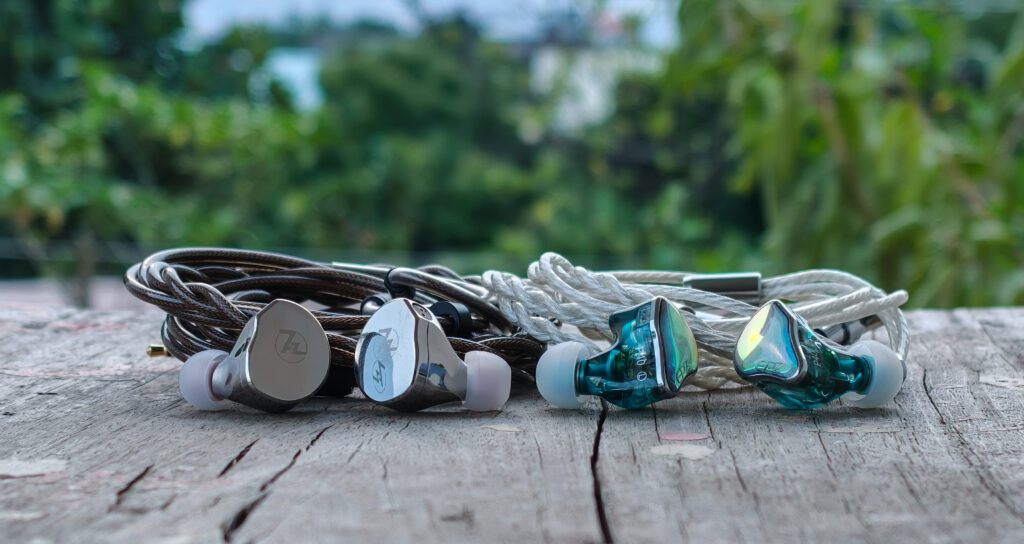
P40 is an interesting tri-brid IEM with a similarly W shaped signature but is slightly calmer with the energy and is slightly warmer. It comes with a better, modular cable and its carry case is more practical. We get a better looking design too.
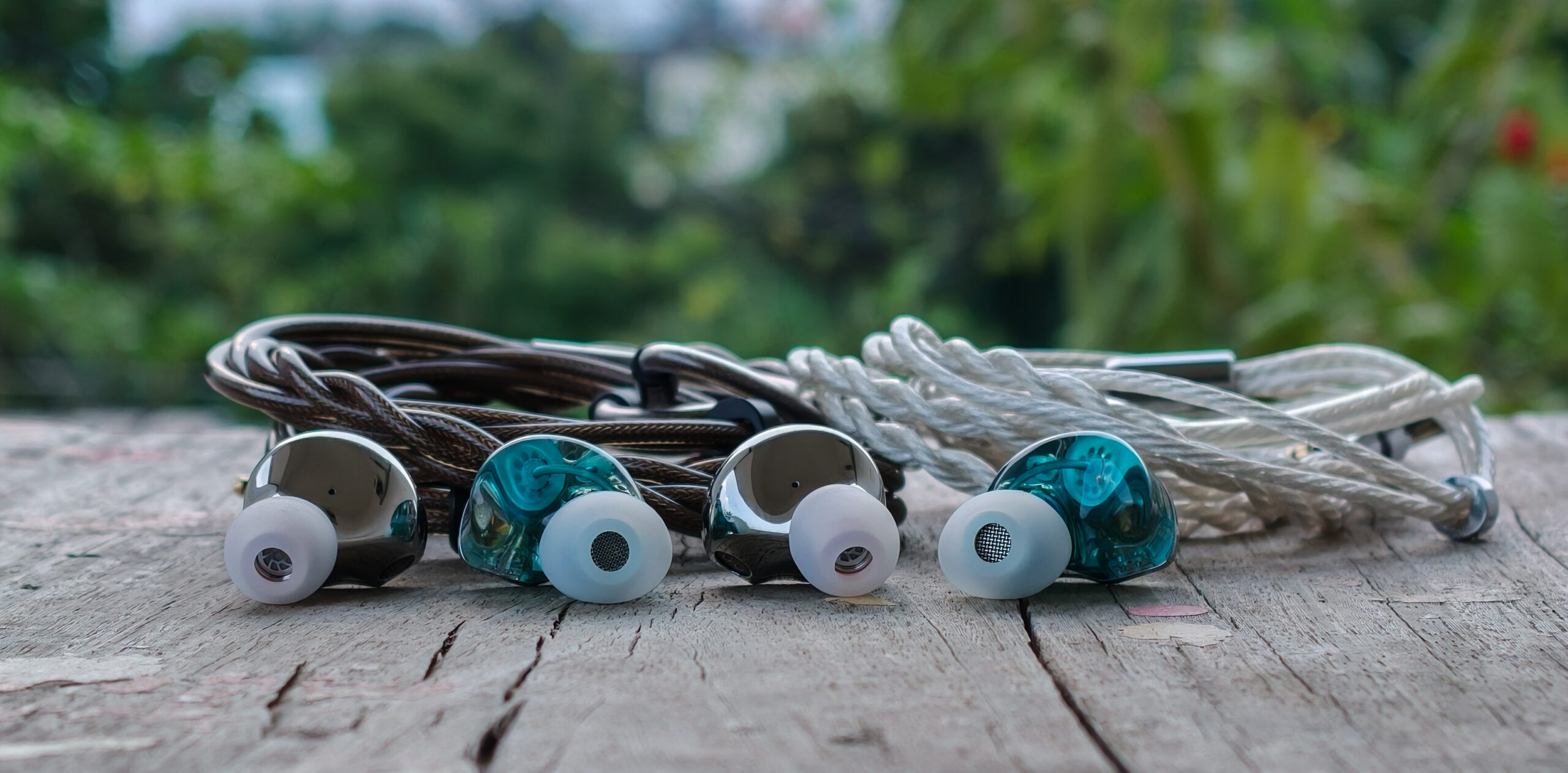
It has more bass body, slightly bigger area of impact with a more rumbly presentation. It’s equally impressive with layers and has better dynamics and contrast. Divine is a bit more technically capable with better precision and clarity. Mids and highs too have same situation. Divine is cleaner and transparent with a bit more finishing energy. Vocals are calmer and slightly more organic with P40. Divine has better clarity and a smidge more transparency with micro details. P40 is slightly more reverby with better tonality and timber. Divine has a bit more air between instruments and sounds more resolving too but P40 is a bit more musical and fun. Stage size is nearly similar but P40 is slightly less wide.
If you want a warmish undertone, P40 is very good but if you want clarity, Divine is hard to best under $200.

VS EPZ P50:
CONCLUSION:
Divine is an excellent IEM if you are serious about this hobby. It doesn’t want to beat around the bush. What it offers is top notch clarity with very good control over finishing energy and aggression. We get a well balanced sound where details are the main priority and Divine doesn’t want to compromise with that. It’s tight and cleaner than the competition.
I like the overall presentation too. It has a nicely developed stage with class leading imaging capabilities. If you are looking for a warmer sound, opt for Diablo maybe?