
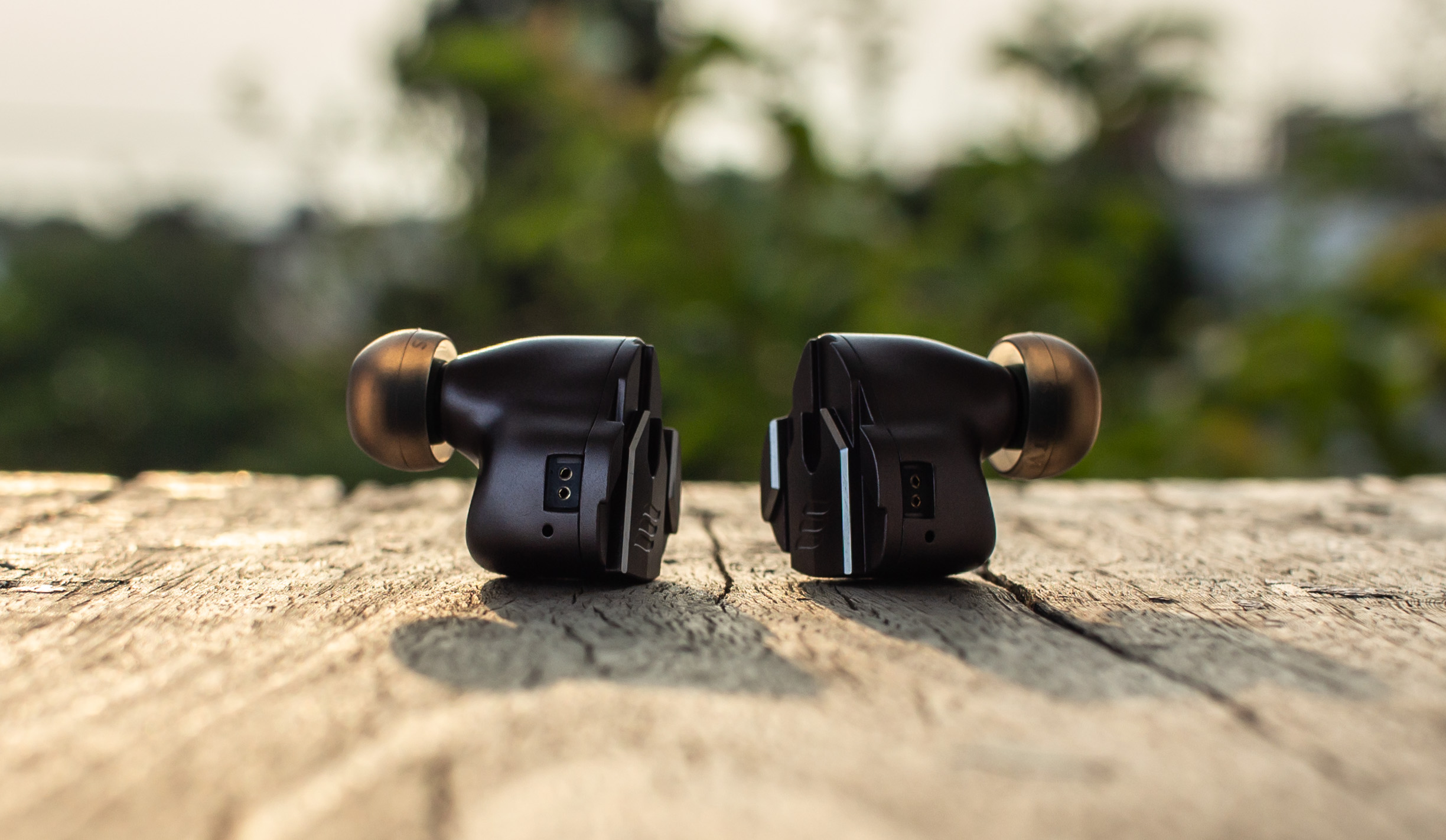


Hailing from the land of Garden City and Soaring skyline, Effect Audio is known for their high quality cables for both IEMs and headphones. They have a handful of class leading cables that aren’t challenged by their peers. I have no doubts in my mind while putting the Fusion 1 and Cleopatra II Octa up there while the Signature Series leads the way in the budget segment. They know how to make top quality cables but like to put out IEMs every now and then. Couple of years ago, they introduced Axiom, a modular IEM with sound altering modules and even though the sound quality was fantastic, it faced some backlash for its lack of cable and carry pouch out of the box. Gaia after that though was a more complete package but was a collaboration IEM made with Elysian Acoustic Labs.
What I have here with me is Effect Audio’s latest IEM, Perseus. Priced at $999 housing 9 drivers in each earpiece this time around, Effect audio has equipped this IEM with high quality accessories too. It comes in only one color, gunmetal grey. Let’s find out how this fair against the competition like Kinera Frigg and VE Pro.
I will like to thank Jordon and effect audio for this unit.
Get one fro here:

SPECS:
Drivers 2 × 8mm LSR Dynamic Driver for Lows
2 × Customized 2300 Balanced Armatures for Mid
4 × Planar Magnetic Tweeters for High
1 × PTZ Bone Conduction for Imaging
Crossover · 4-Way Crossover System
Frequency Response · 10Hz ~ 40kHz
Sensitivity · 108dB @1kHz
Impedance · 18 Ohms @1kHz
Cable Technical Specifications
Spec: 26 AWG 8 Wires
Smelting Process: UP-OCC
Casing: EA UltraFlexi™ Insulation
Length: 120cm ± 5cm
Material:
· Timeless Legacy Gold-Plated Silver
· Silver and Copper Alloy
· Copper Litz
· Silver Litz
Structure: · Central Solid Core
· Multi-sized Core Bundle
Connection System: · ConX®️2pin (Default)
· EA Standard Gold Plated Copper Straight Type (3.5/4.4mm)
UNBOXING AND ACCESSORIES:
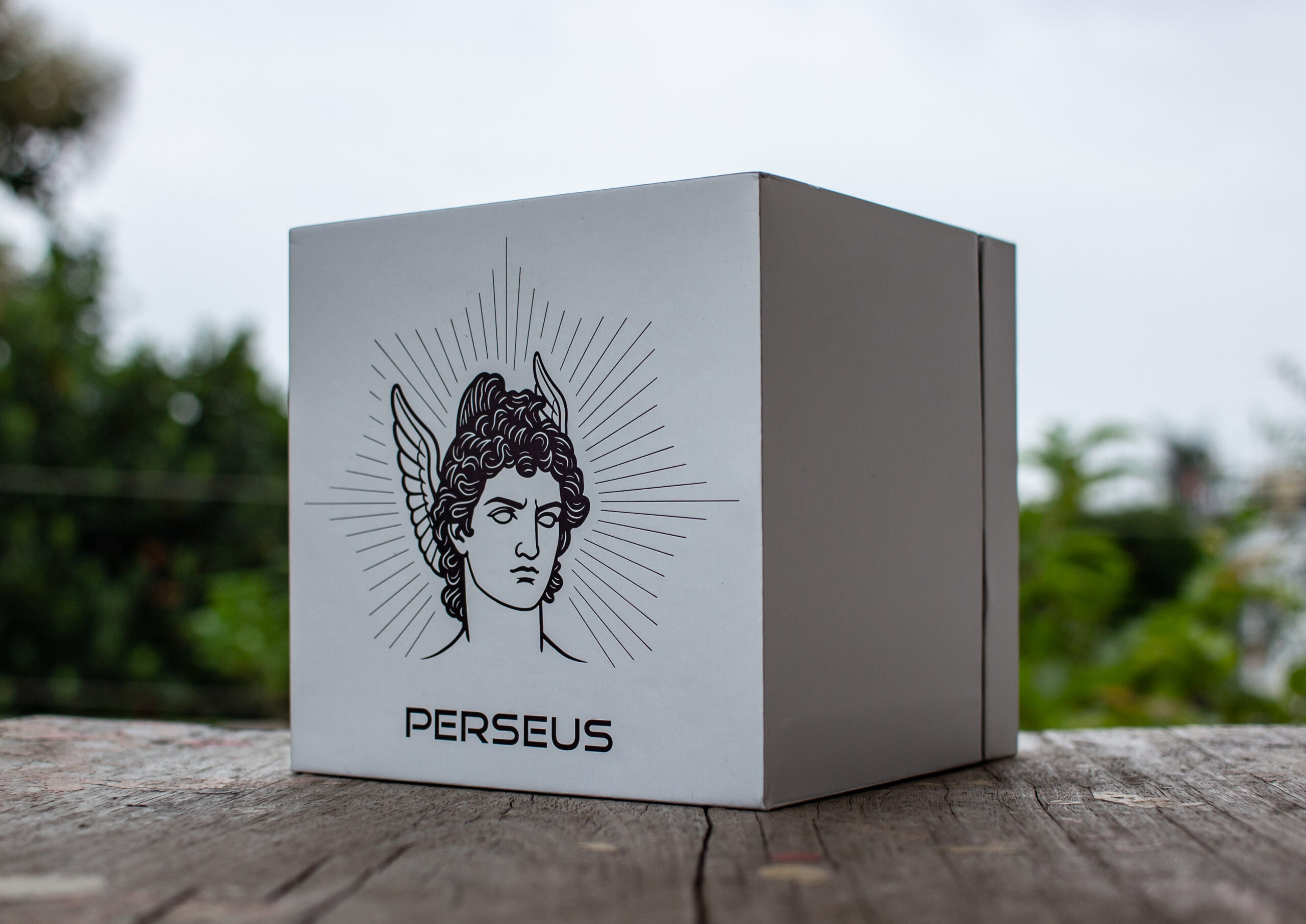
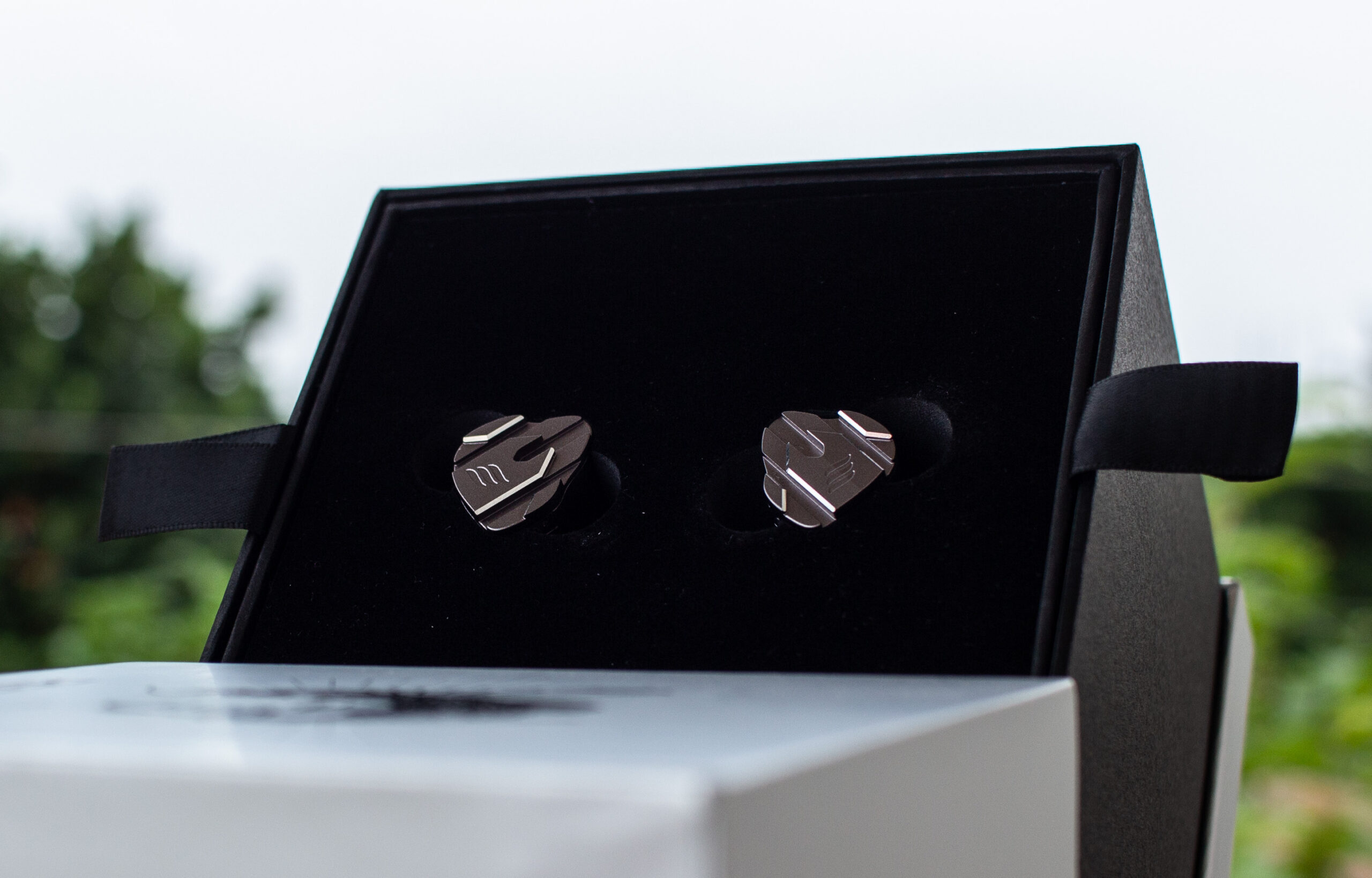
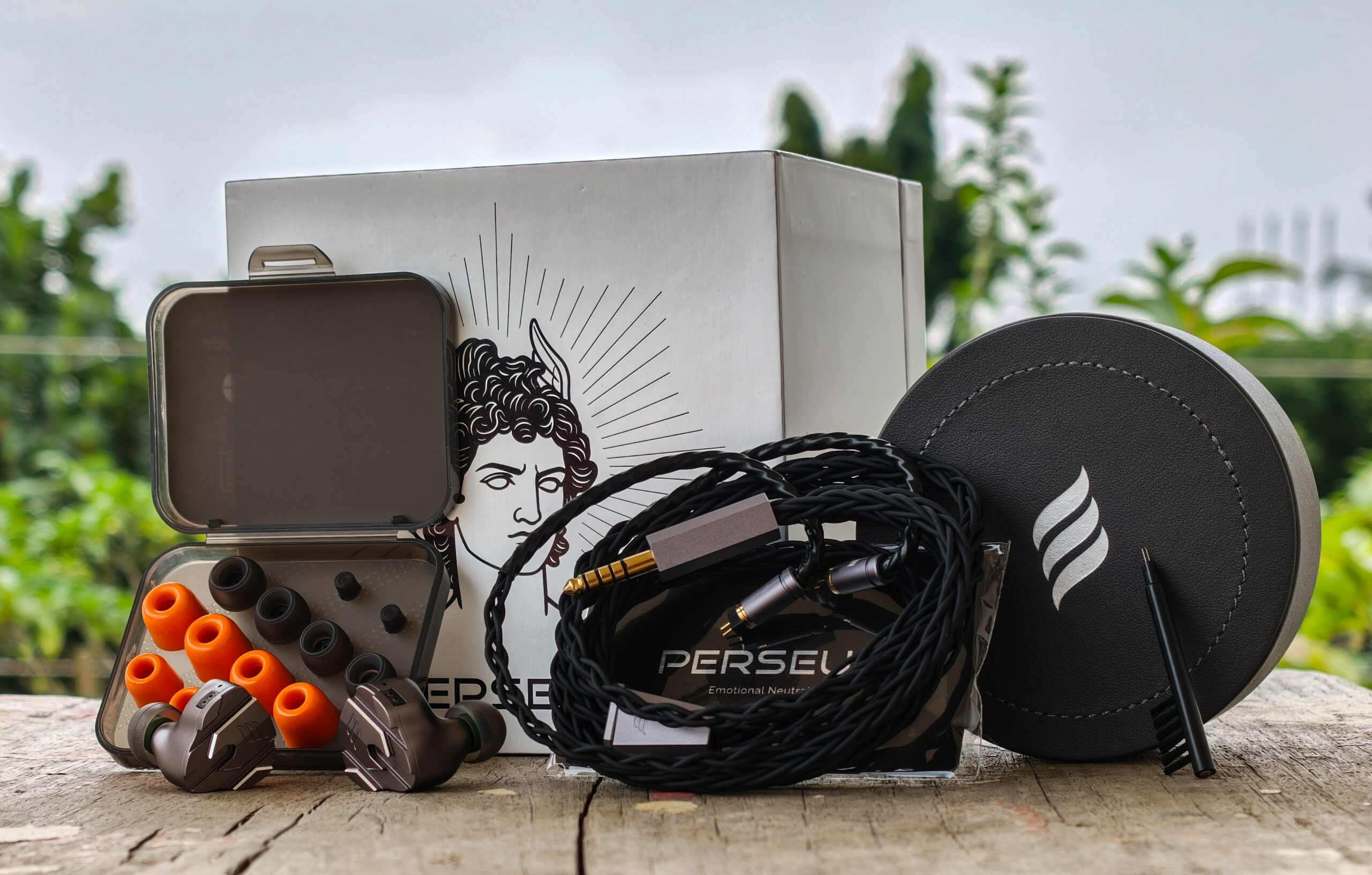
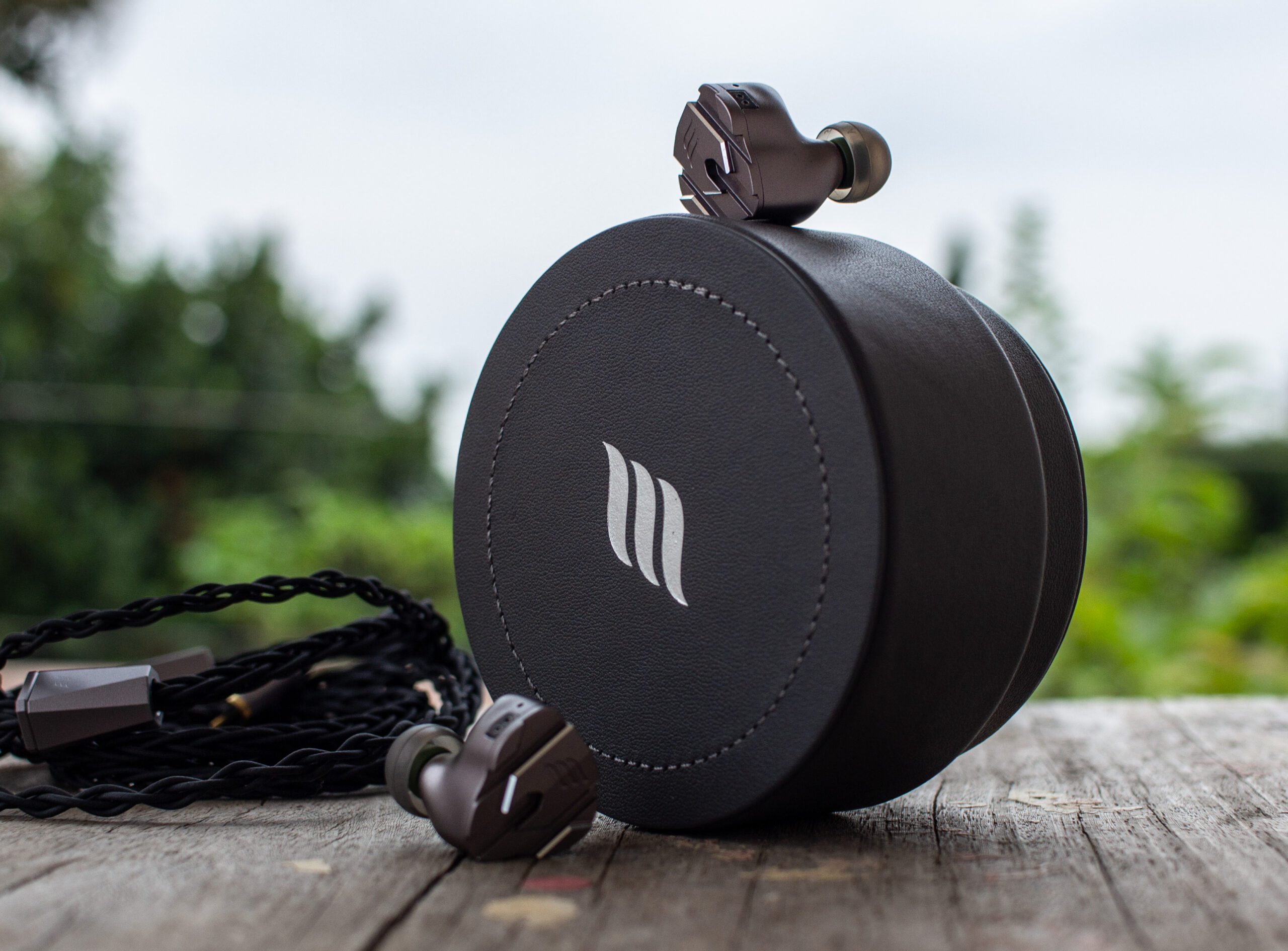
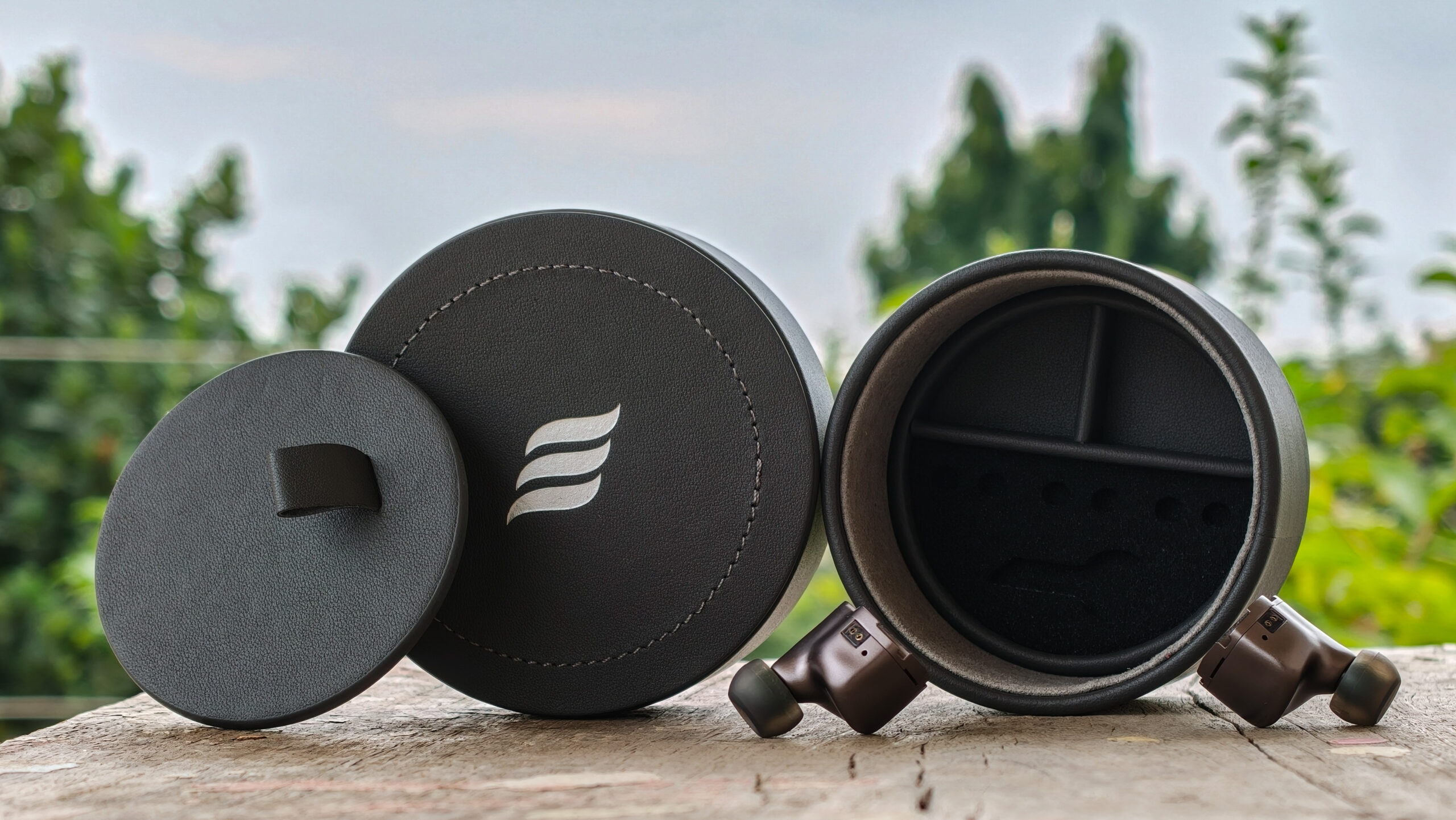
Unlike the Axiom, Perseus comes with a more lavish kind of box. Lift the upper cover and we have the the earpieces placed in foam. Under that are the ear tips, Arc Oval and Symbio F sets and some documentation placed inside a paper box. Below that is the round, faux leather case and the cable is placed inside it. This is an interesting case though. It has a hidden compartment to store con-x pins and the tool but I am not sure what the use of this is. There is nothing fancy here, but guess what, it’s not less than a luxury coming from Effect Audio.
BUILD QUALITY AND ERGONOMICS:
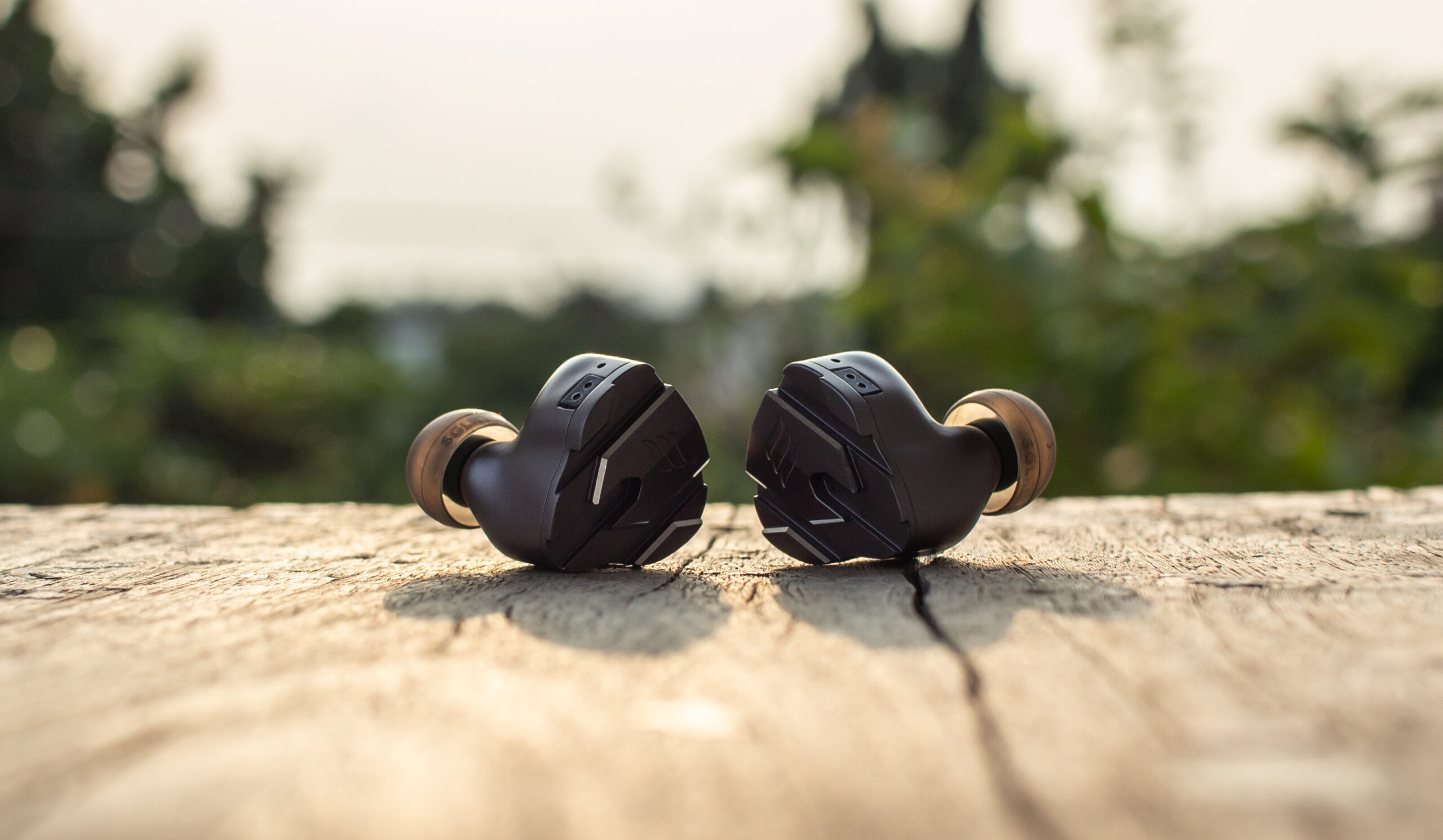
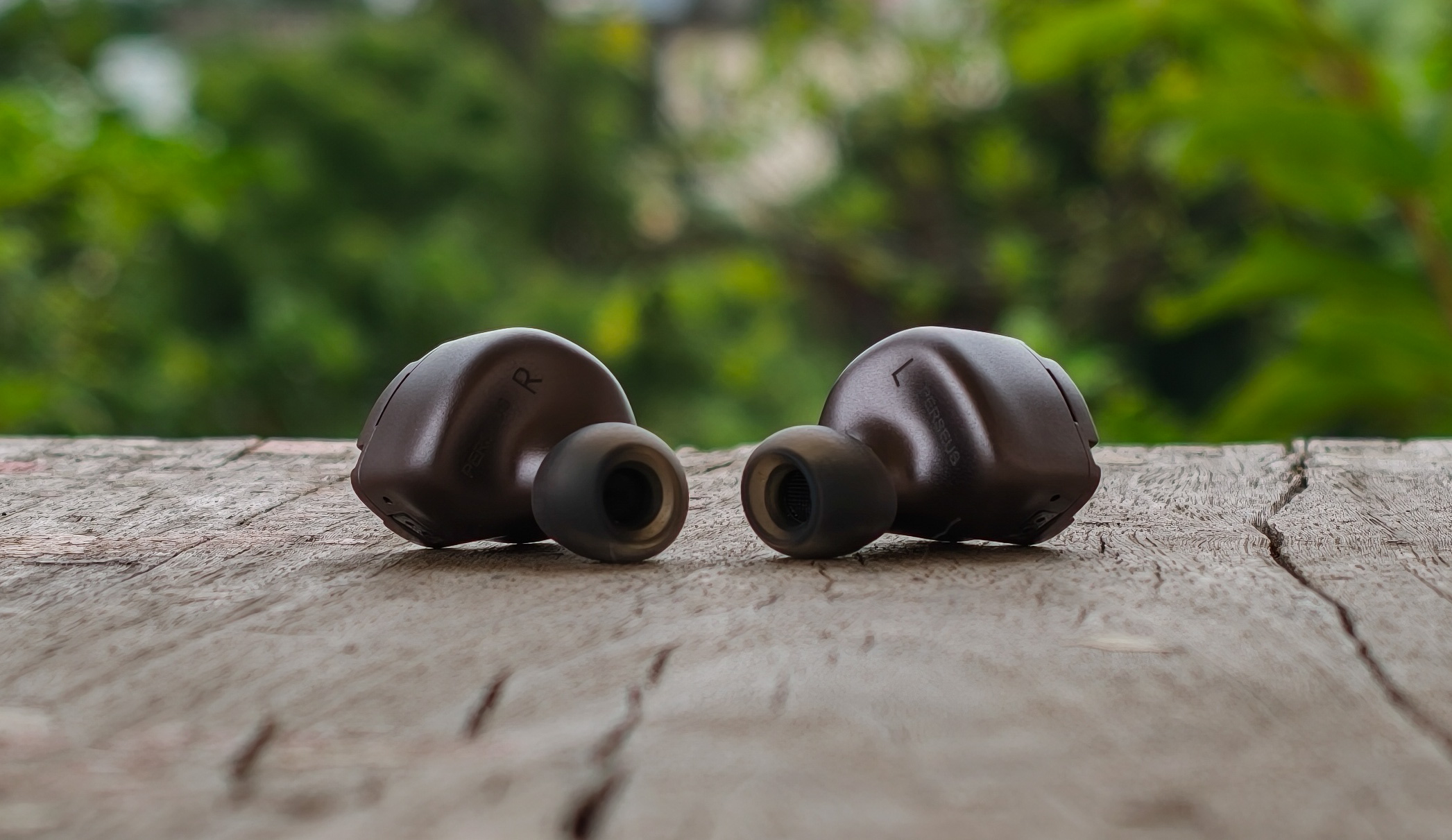
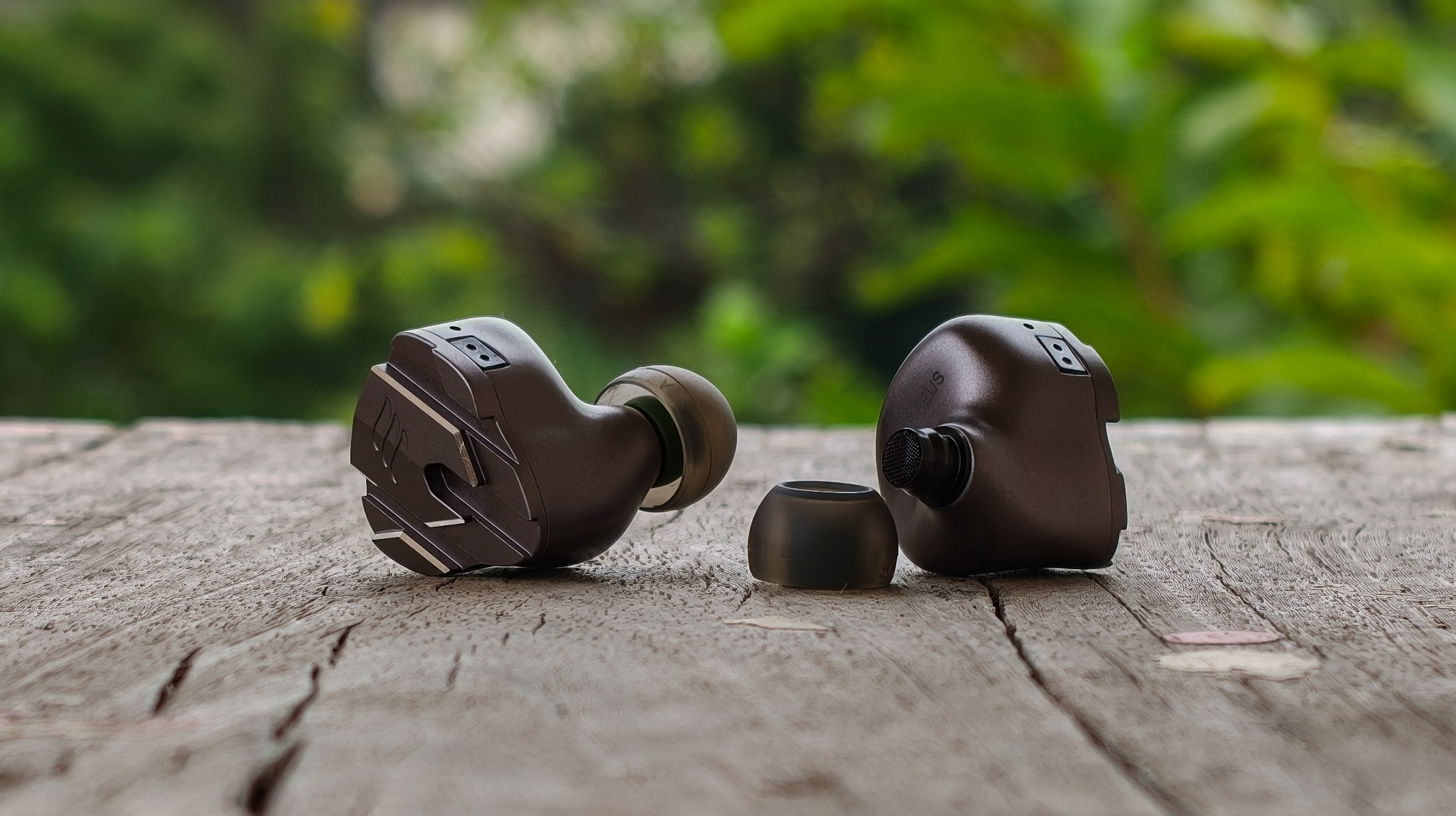
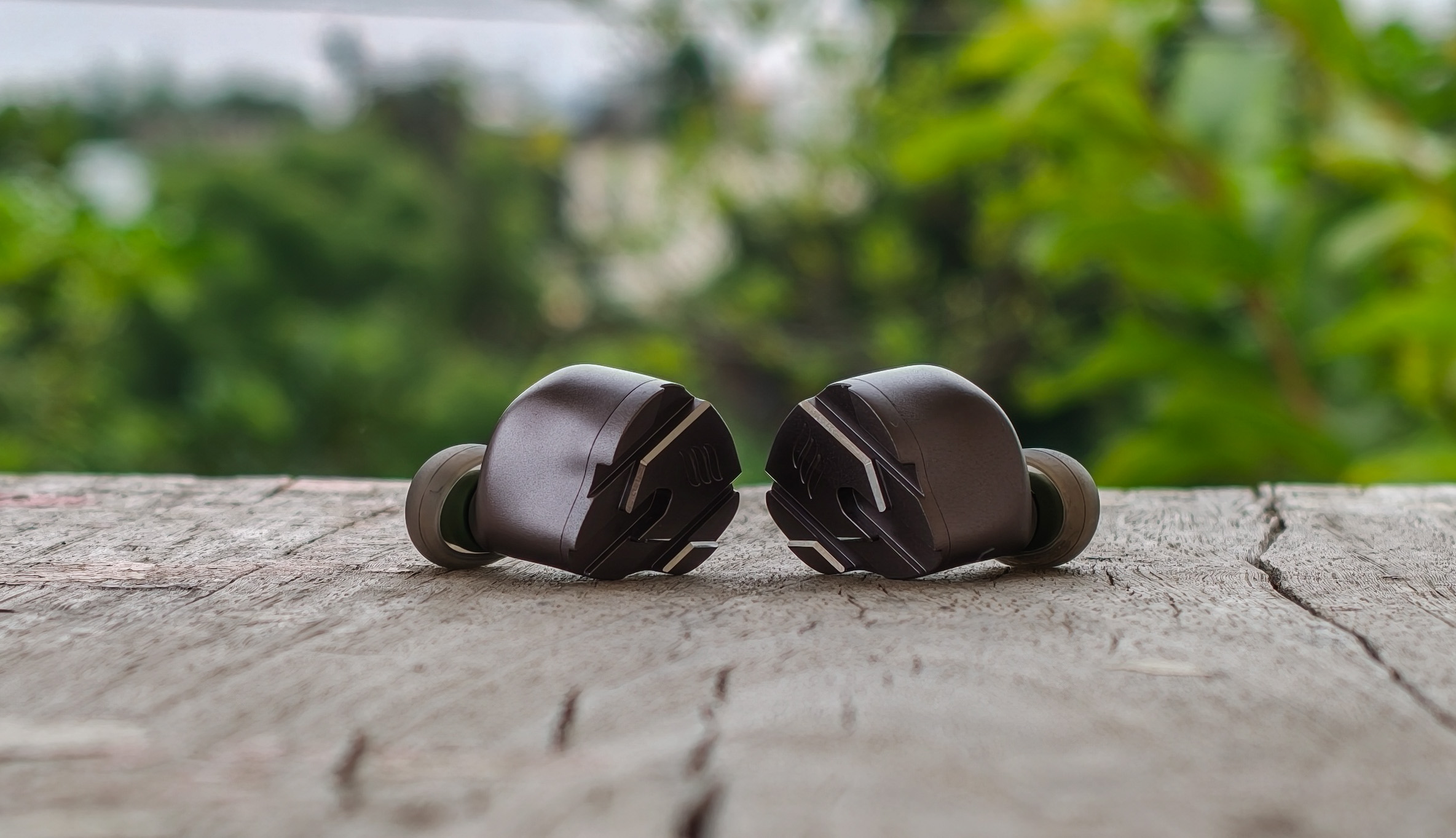
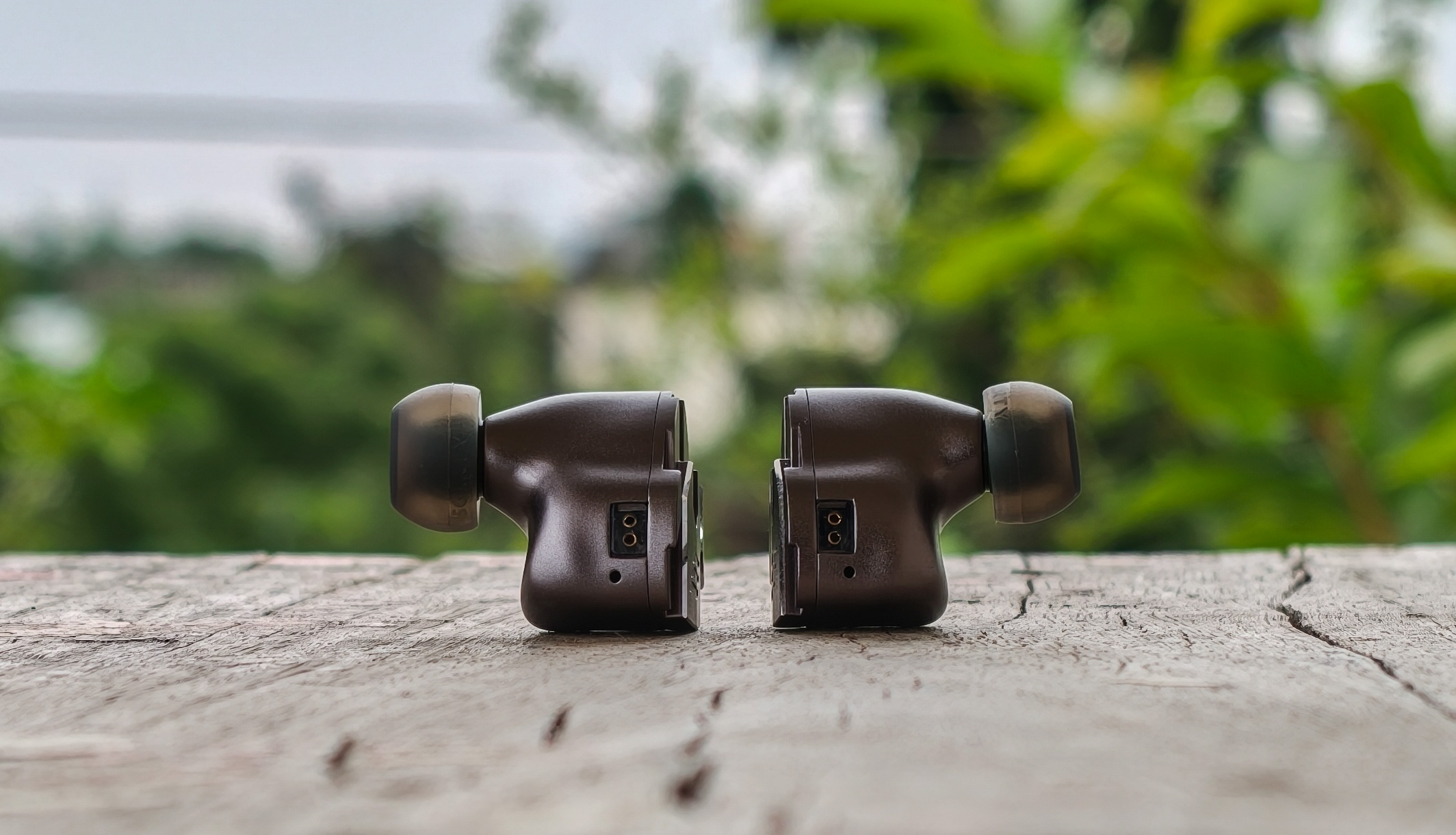
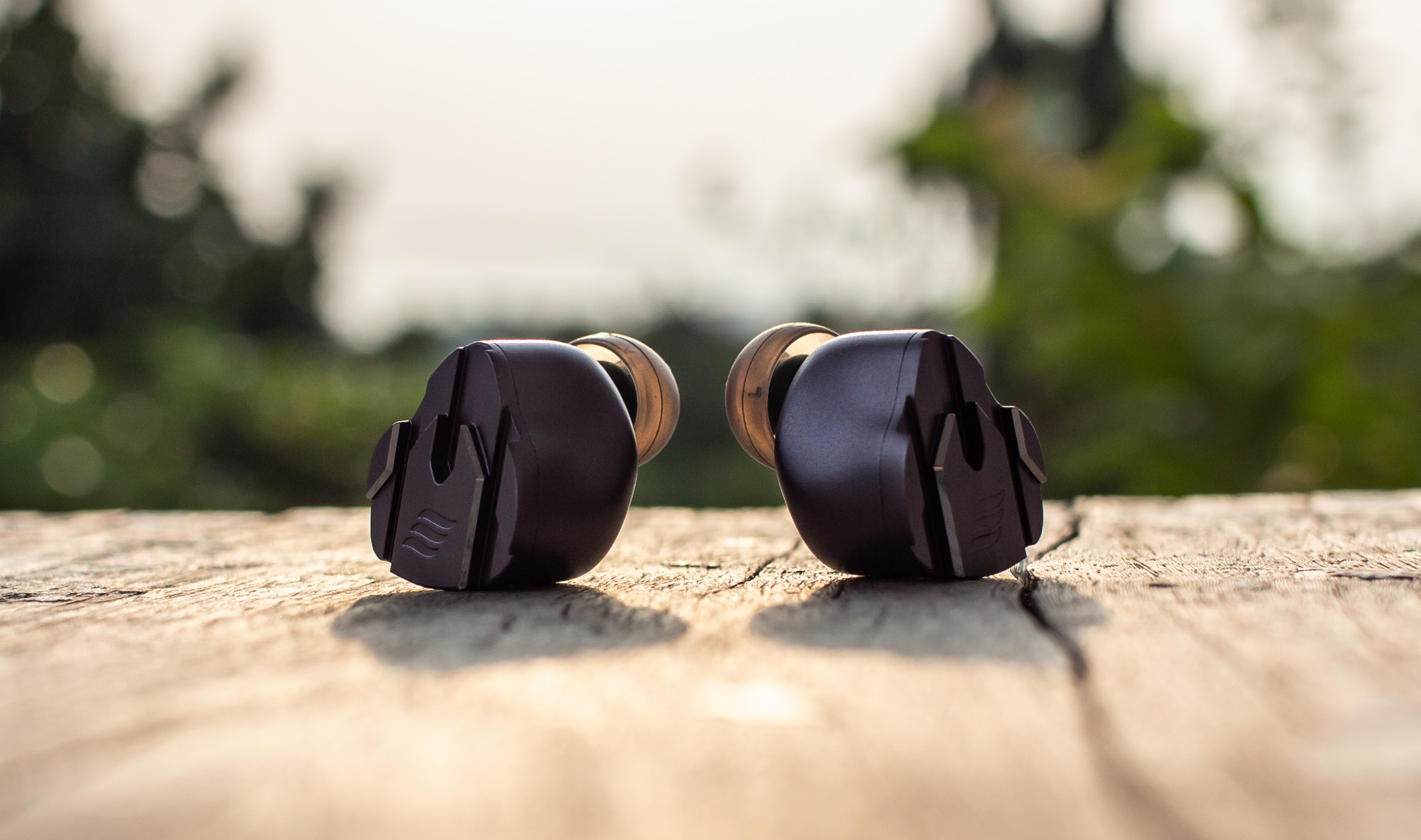
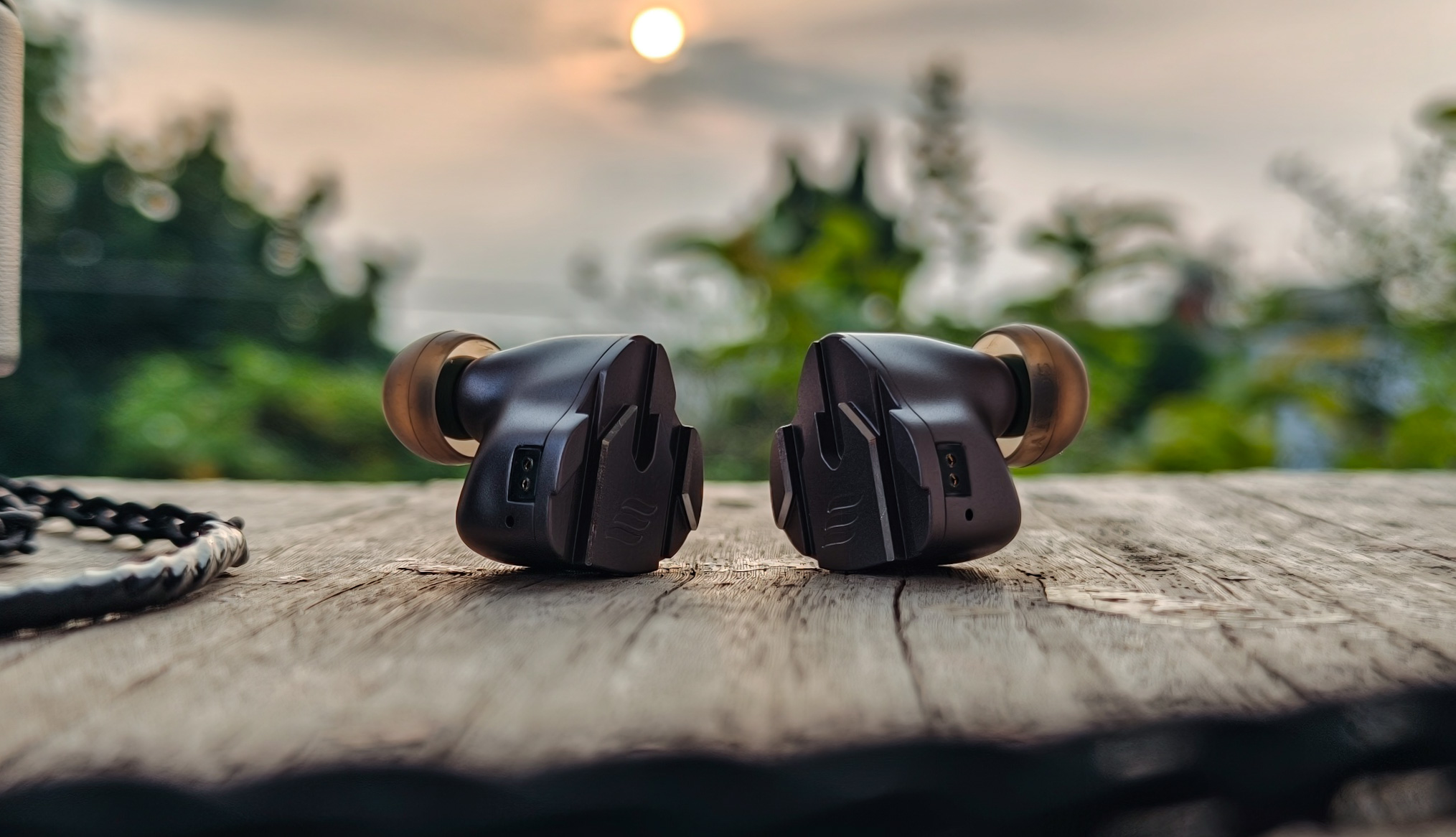
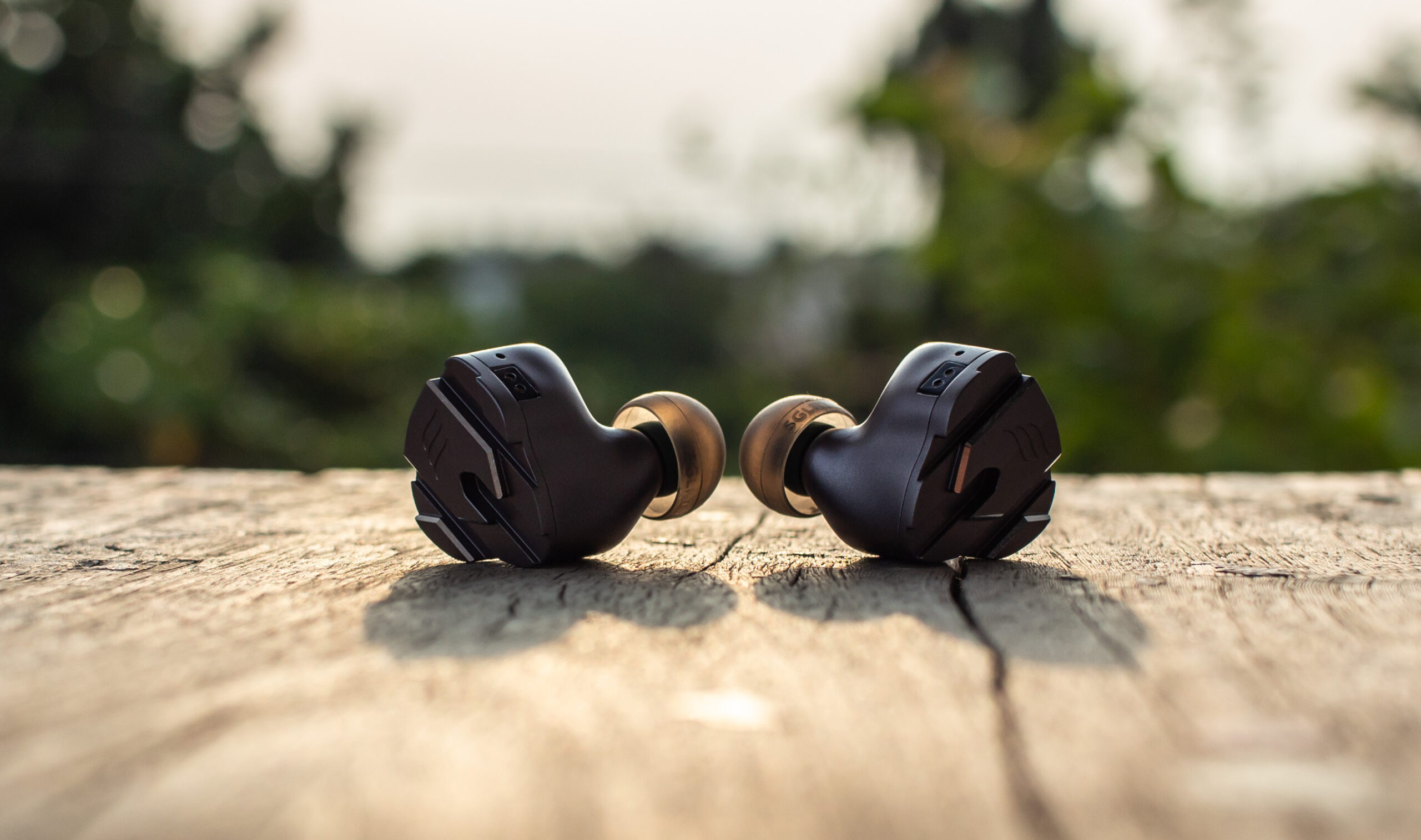
Build quality of this IEM is absolutely fantastic thanks to the Aluminum shell. It has an all metal shell that can withstand falls on hard floors without any issues. Perseus is sturdy and solid to the hand. It has a mildly semi custom like wing structure that offers good stability and traction inside the ears. It’s an ergonomically designed IEM and has good comfort too but thanks to the all metal shell, it’s a bit on the heavier side can lead to ear fatigue after 2-3 hrs of usage. These earpieces are aptly voluminous bur aren’t as big as other Quad-brid IEMs. It might not fit small ears but no issues with most. Fit is kind of critical here, mostly because of the bone conduction driver.
It has an interesting looking back plate with angular shapes. This is a bit on the sharper side though. We get decent nozzle depth and it’s not very wide either. It has two vents, one aside the 2pin and a wide vent just along the line.
CABLE:
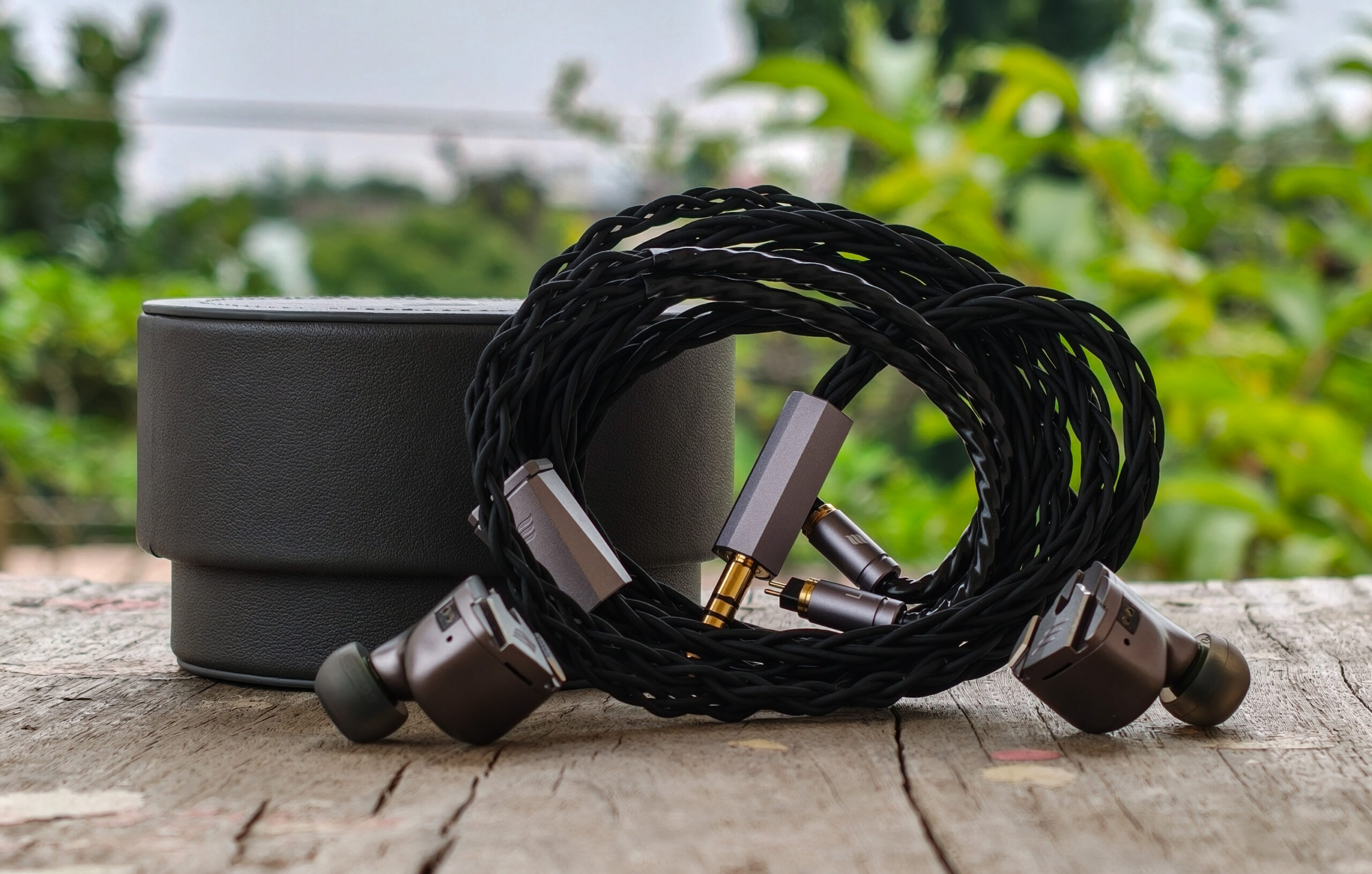
A special IEM deserves a special cable and Effect Audio has developed the Ordnis cable just for the Perseus. It’s nothing short of the Eros S when it comes to aesthetics and material used. This 8 core cable uses a solid core of silver and Copper alloy, gold plated silver and Silver litz wires in one with multi sized copper wires in other cores and all the cores are covered with EA Ultra-Flexi insulation. It’s a premium cable to say the least and its behavior is nothing short of the signature series.
It’s not bouncy or microphonic but has bit of memory and stiffness. EA has used highs quality parts here with Con-X intact. 4.4mm jack and Y splitter are a bit on the larger side. Cable slider is minimalistic and gets the job done nicely. Yes, this black cable looks nice and compliments the IEM aesthetically but it’s a bit on the heavier side and the cable guides are a slightly aggressive too.
Sonically, it’s hard to find a better cable under $300 so one shouldn’t complaint whatsoever.
PAIRING WITH SOURCES:
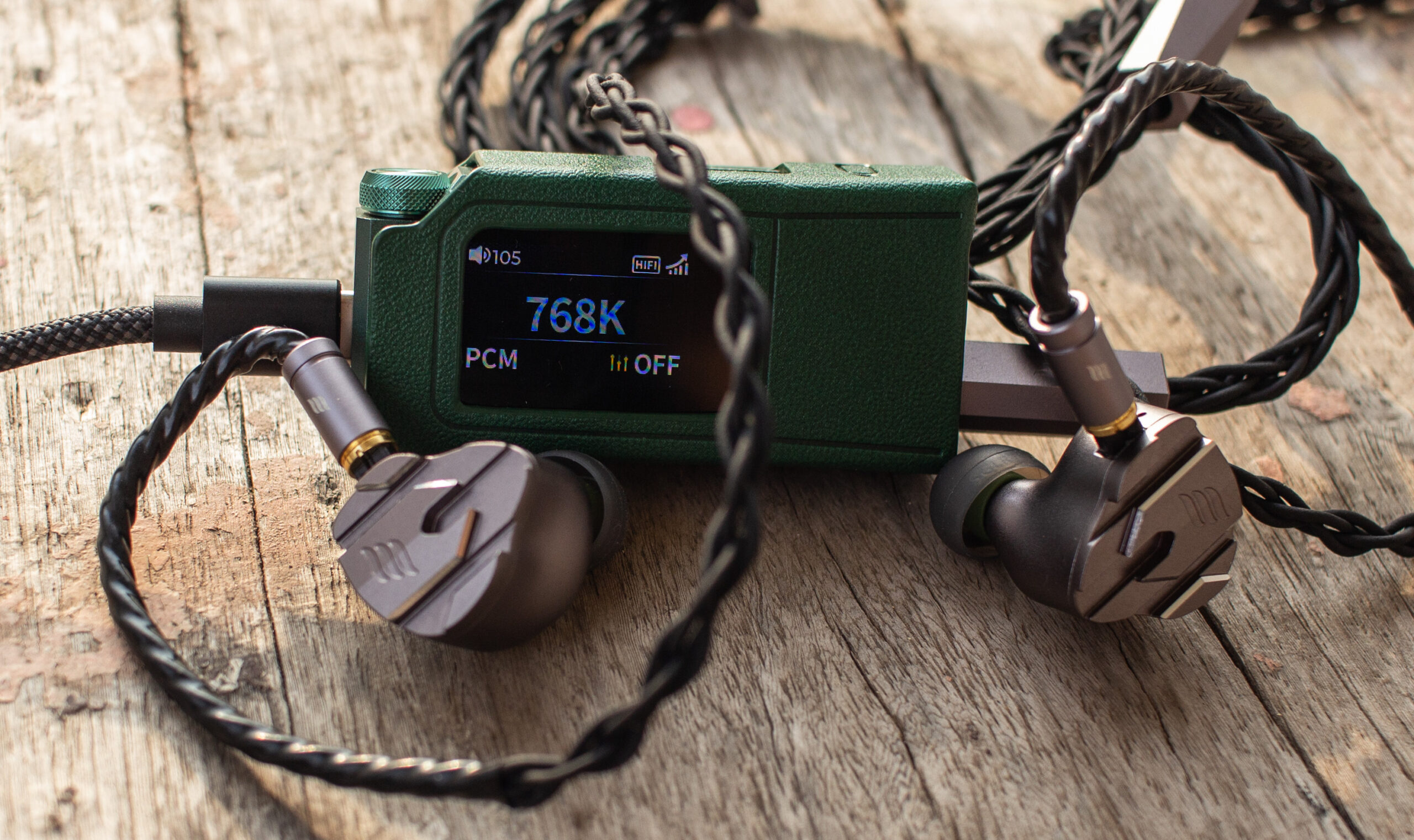
Pairing this IEM is not critical as I have been using it with lower mid range dongles and this mighty impressive IEM isn’t bothered. Yes, more technically capable IEM with bigger stage will definitely offer a richer experience but the good thing is, this IEM is barely complaining about the source unless it’s below par.
PAIRING WITH CABLES:
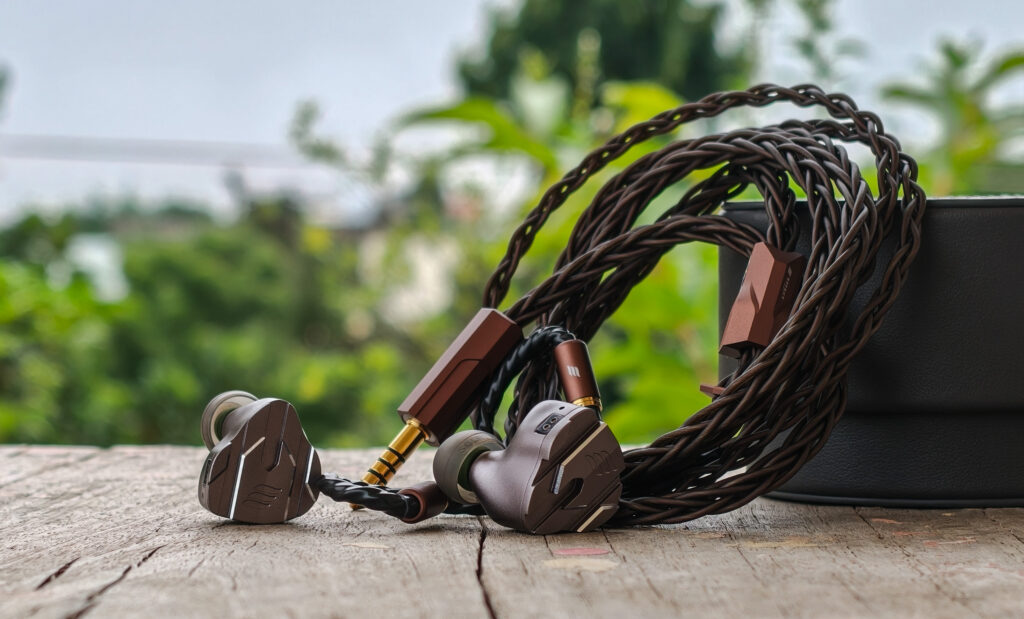
This is a limited edition cable and is priced at $529. It uses high quality alloy wires with a solid core tech that uses a copper silver alloy with pure copper (multi size cores), silver (multi size cores) and palladium and Platinum silver alloy cores around it with EA Ultra-Flexi insulation over the cores.
This pairing is simply fantastic. It takes the whole experience to another level. It not only beings out better clarity and definition, it offers a bigger, more expanded stage in every direction while offering a bit more organic and natural tonality. It offers slightly better lower end control with better definition and dynamics. Upper bass is a bit more resolving while the mid bass region enjoys improved layered delivery and contrast. Mid range sounds a bit more engaging because of the extra bit of air between instruments and slightly more rounded vocals with impressive texture and definition. Highs gain better air while the layering and separation improves too. There is improvements in sonics as the background instruments gain a bit more distance and subtlety.
SOUND QUALITY:
Effect Audio is not new to this. They know how to make IEMs. Believe me when I say this, Axiom was an excellent IEM and the Gaia was class leading too. They didn’t had much going inside them. Not as much as this for sure. Perseus has 9 drivers. I love the coaxial dual DD setup. We get two BA deivers for the highs and 4 micro planar drivers take care of the highs and ultra highs. An extra ptz bone conduction driver is responsible of a bit more feel and definition. I am mighty impressed with the overall capabilities of this IEM. It’s very much neutral with the presentation. Yes, it’s slightly on the bassy side but everything else is as good as flattish. This is a mildly W shaped IEM but I will label this L shaped too. Bass is reasonably big while the rest of spectrum is nicely balanced, delivering class leading clarity and resolution. There are barely any issues with coloration or tonality. The best thing here is, it doesn’t over do anything while maintaining class leading details. Let’s dive deeper.
I am using stock tips and Fiio QX11 as source for this review.
P.S. I am not happy with the stock oval tips. They tend to fall off but I have no other choice. The best tips here are the Tri Clarion. They offer excellent imaging while offering very good stability and comfort.
BASS:
I love coaxial drivers. They balance everything nicely, offering excellent body and weight behind the notes, delivering impressive resolution while maintaining fantastic control and that’s exactly what this IEM is delivering. We get superb dynamics. It can hit variety of frequencies without any issues and the best thing is, it can move the notes in X-axis like a flagship IEM, managing to place notes out of the head when needed. Notes mostly fire in and downward (this is rare, mostly it’s either in or upward) staying clear of the rest of the spectrum and not to my surprise it can change the emphasis of weight too. Usually it’s centrally weighted but can reduce it depending on the track. It has excellent contrast of back and foreground instruments as it moves the decaying notes behind the foreground notes cleanly while delivering impressive layers too. Decay is a paced meticulously. It’s fast when needed but is usually slowish, letting the notes gain good amount of weight and body. The best thing here is the definition of individual notes. It puts excellent texture too.
And as per the usual, it has class leading sub-bass depth and rumbles. Again it’s the definition of individual notes that makes it stand out of the competition. Mid bass is not bigger with area but definitely have more weight behind the notes letting the instruments sound airy and realistic. Upper bass notes are clean and clear of any unwanted softness yet it’s slightly less tight.
MID RANGE:
Perseus is slightly less forward at the lower mids but that doesn’t make it lean or dry. What it has done is, it has carried over the tightness from upper bass and carried it up till the male vocals. Lower mids still have excellent clarity and body but they are slightly less forward compared to the vocals and upper bass.
So What’s special? Again, it’s the right amount of dampening and accurate presentation that makes everything stand out. It has very good texture and tonality is a smidge warmer even when Perseus is using BA drivers for this mid range (excellent tuning to be precise). Both vocals and instruments have a organic timbre to them. There is literally no issues of sharpness but notes are slightly on the revealing side, they have excellent resolution with a bit more finishing definition. Perseus aces the micro details, it excellent clarity and air between instruments with lass leading transparency while keeping things under control. Micro details and macro dynamics go hand in hand with superb Z-axis layering. Its separating capabilities are class leading as it places foreground and background instruments and notes in parallel to each other and both have their own space for decay. That’s what I call technical capabilities! Clean clear detailed yet inoffensive. It has no issues with flooring the notes too and the floor is one of the cleanest in this price thanks to the precise presentation.
Vocals are fantastic too. Male vocals have very good texture, realistic throat emphasis and texture with aptly full body with good height. Female vocals are slightly more precise while offering class leading energy and transparency. If you are sensitive, vocals can be. Slightly bity, but if you can handle this, Perseus offers fantastic clarity and prat. There are no issues of sharpness with upper mids. It does have the energy and resolution but not unnaturally aggressive. Yes, this is a highly technical sounding IEM with fantastic synergy and that’s what makes this highly enjoyable and cohesive.
HIGHS:
Highs are a different story. On paper we see 4 micro planar drivers and it’s easy to think that these highs might be aggressive or forward but that’s not it. This treble range has class leading agility, sparkle and definition but it is not aggressive, aptly relaxed and fatigue free side. It’s full or character though. We get realistic textures with cymbals and violins as the instruments decay gracefully, creating a more immersive experience. Perseus offers superb resolution and definition with micro details. It has fantastic clarity and energy throughout the highs, exhibiting it’s technical capabilities and extension. What makes this treble range standout is it’s layering and separating capabilities. It crates layers, putting one type of instrument in their own plane, creating a concert hall type rendering. It creates excellent contrast of back and foreground instruments too but the energy is slightly higher with the background instruments, making them standout a bit more than they should. This is not a good or bad thing, it’s fantastic if you like clarity, it’s slightly less intriguing if you like a mellow presentation. We get class leading amount of air between instruments and the positioning accuracy is top notch too.
STAGE AND IMAGING:
Perseus has excellent imaging capabilities. It has one of the biggest stage with very good expansion in every direction, giving it a small theatre like imaging. We get fantastic height and X-axis width while the Z-axis depth is on par with the competition. Most of the bass and vocal notes are placed inside the head but the dynamic positioning of the notes is what sets it apart from the competition. It can push them out of the head when asked to, displaying it’s superior Technicalities. All of the treble notes are placed out of the head with good diagonal projections. Sonics are superb too. It’s just behind high end IEMs like Odin and comfortably above similarly priced tri-brid IEMs like Unique Melody Mext and even the Verdandi when it comes to parallel layering of instruments. Imaging is clean, has accurate instrumental positioning too. It’s the background transient effects of instruments have class leading clarity and that can feel slightly flattish in comparison to other IEMs like Kinera Frigg and Campfire Audio Aline Brain.
Its not the size of the stage that gives this IEM its biggest USP. It’s capability of dynamically moving the instruments in their plane, giving them a lifelike presentation is what sets this IEM apart from the competition.
COMPARISONS:
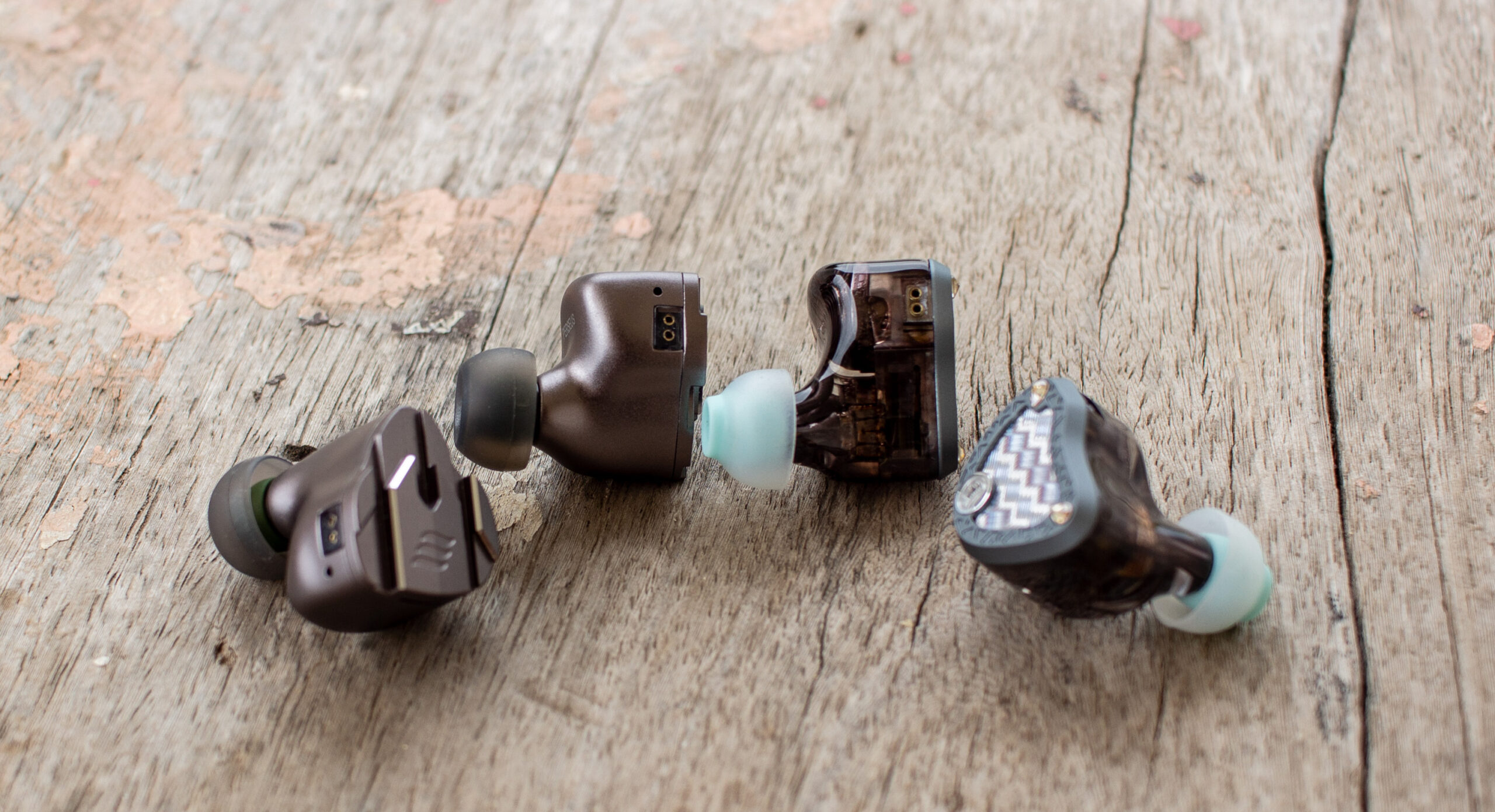
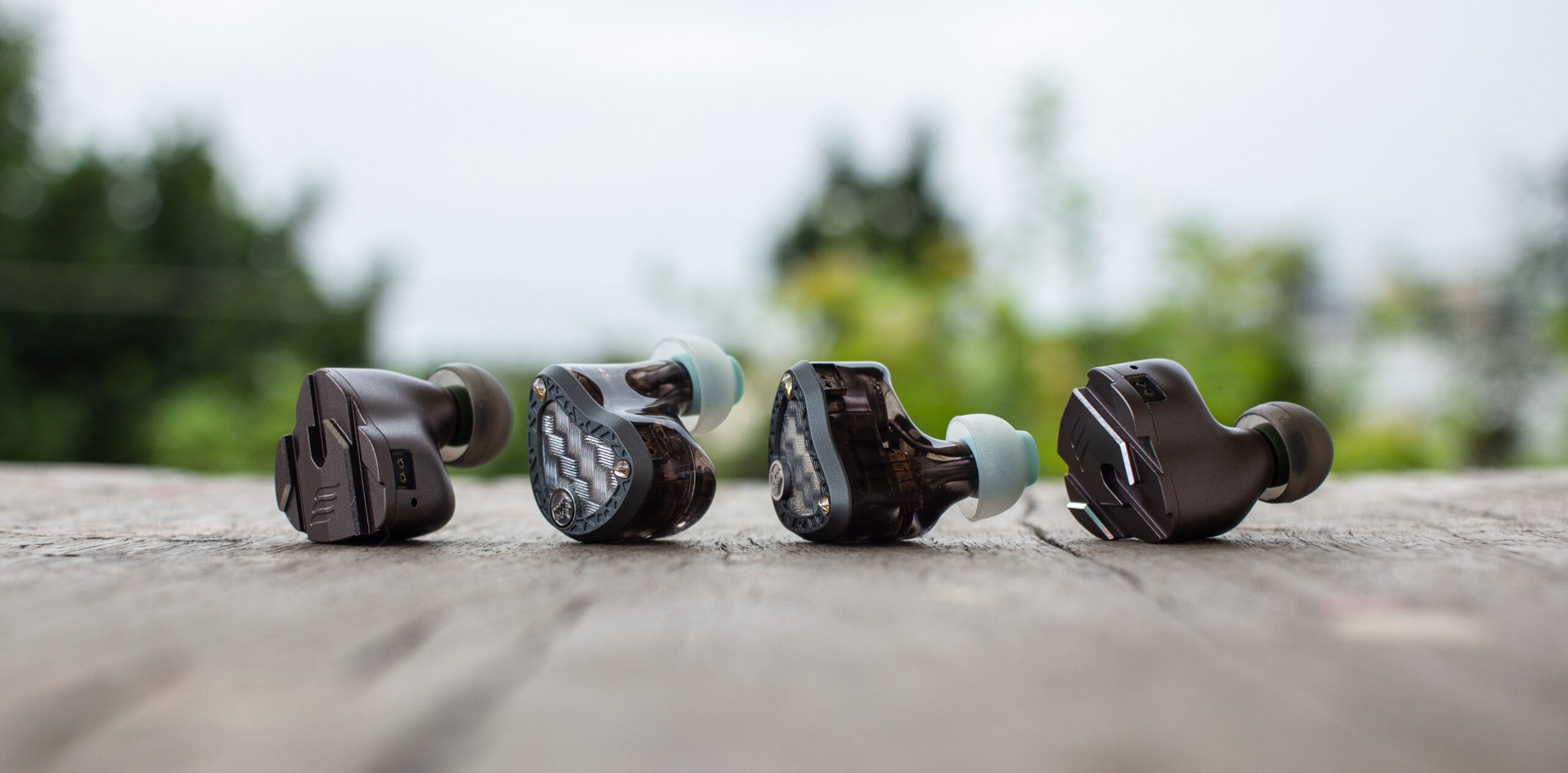
VS Kinera Frigg:
Frigg has 3 less drivers and uses 4 EST drivers instead of 4 micro planar drivers for highs and it’s tuning is considerably different. It’s a kind of similarly bassy yet warmer sounding IEM everywhere else.
Perseus is more like the standard mode of Frigg. A bit more agile, cleaner and transparent with a neutral tonality and timbre. Its lower end has bigger area of impact but has faster decay with similar technicalities and layered delivery but the contrast of back and foreground instruments isn’t as contrasting as Frigg. It doesn’t have the weight behind the notes Frigg has on offer. Mid range is a more transparent, tonality and timbre are slightly less warm with Perseus. Instruments have more energy, are a bit cleaner and have better micro details. Highs are somewhere in between the Pop and standard modes of Frigg. Perseus is agile, clean and lively like the standard mode but a bit less tall with equally impressive layering and separation. Stage size is slightly wider and equally deeper with the Perseus while the height is slightly shorter than Frigg.
Vision Ears VE Pro:
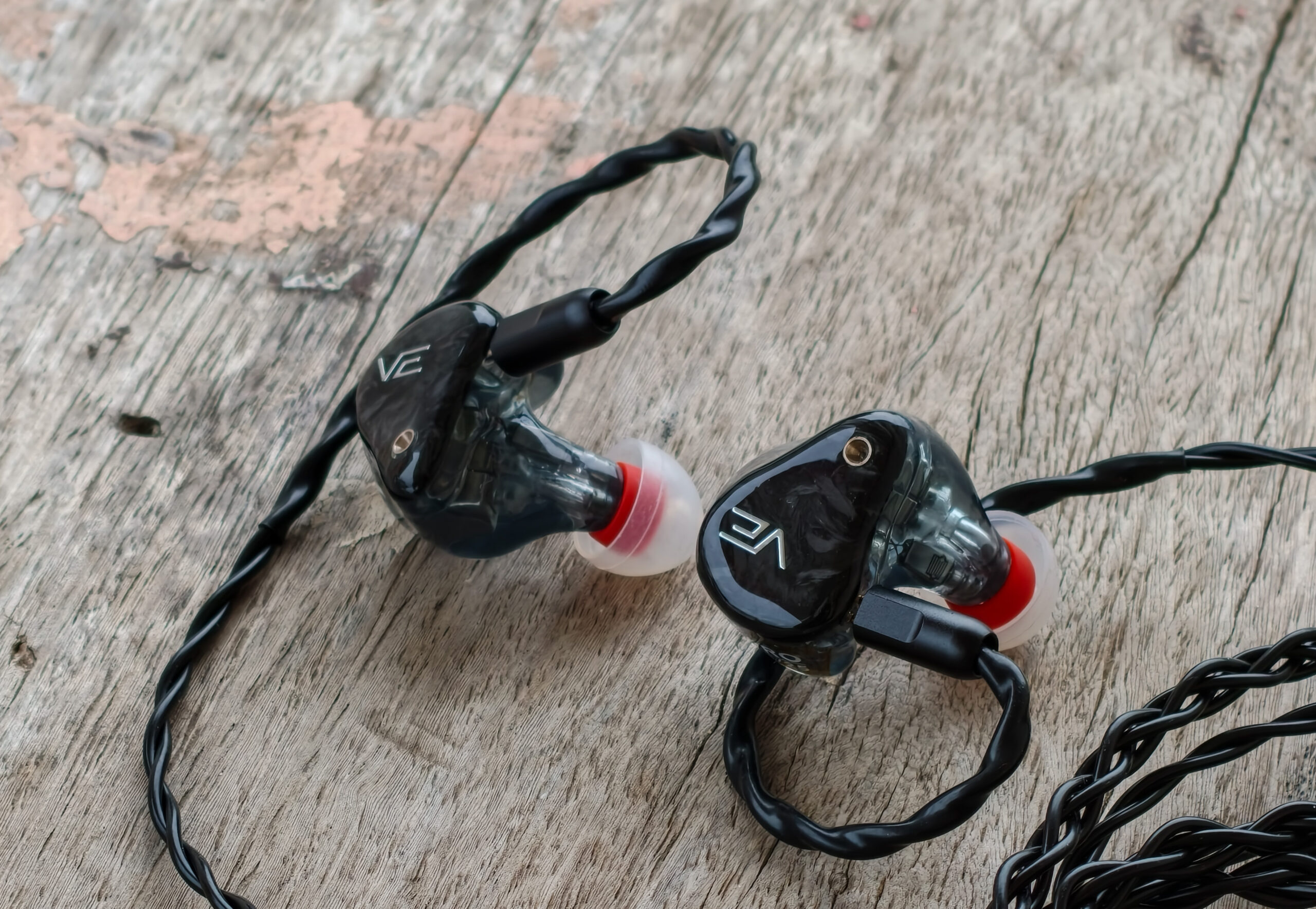
VE Pro is an equally impressive IEM at $1800 with a simairly precise yet a bit warmer presentation in comparison.
It has a rumblier and slower bass decay with similar weight and area of impact. It’s layered delivery is a bit more defined but the contrast isn’t as good but the dynamics are similar. Mid range is a bit more in the V and doesn’t sound as precise or accurate but offers more warmth and organic timbre. Micro details are not as good as the Perseus but macro dynamics are a bit more engaging and slightly less energetic. Upper mids are similarly transparent. Highs are similar when it comes to energy but Perseus has better resolution, details, transparency and definition with better extension and air between instruments. Stage size is a bit wider, less taller with the VE Pro. Both have similar Z-axis depth.
VE Pro has a more pleasing overall tonality, sounds more cohesive and even though Perseus is effortless too, VE Pro is slightly freer flowing with a more pleasing texture.
CONCLUSION:
There are IEMs that impresses us and there are IEMs that leave an impression on us and Perseus is the one from the later category. This is it!! It’s an IEM that creates an experience which strikes and excellent combination of clarity and musical presentation that’s hard to forget. It’s the dynamics, background decay of instruments and stage expansion give the listener a rich experience. It’s flawless to say the least. At this price, I will be lying if I say that I have heard better. Yes, there are warmer, calmer and more cohesive IEMs available in this price but none of them have this kind of combination of everything like the Perseus. And this time around Effect Audio has equipped this IEM with top notch accessories too. Another great thing about this IEM is, ir doesn’t mind while dealing with average quality tracks too. It doesn’t let the quality deteriorate at the user’s end.
Perseus is easily the best IEM one can get under $1000. It’s simply outstanding when it comes to overall performance. It’s slightly warmer tilt with the lows gives it a more cohesive feel while the rest of the spectrum is exceptionally tuned for high quality details and resolution. Competition is good but when it comes to technical capabilities, overall definition and imaging Perseus is the new benchmark.


3 Responses
How does it compare to UM Maven III?
I am yet to try that.
This is a really interesting IEM review. I liked how the sound characteristics and overall performance are explained in detail instead of simply listing specifications. Reviews like this are very useful for people comparing different IEMs and trying to find the right sound signature for their listening preferences.