
Introduction
Every so often an IEM comes along that doesn’t just sell units, it starts arguments, and the original Annihilator did exactly that when its 2023 revision landed and promptly became one of the most talked-about flagships on the scene.
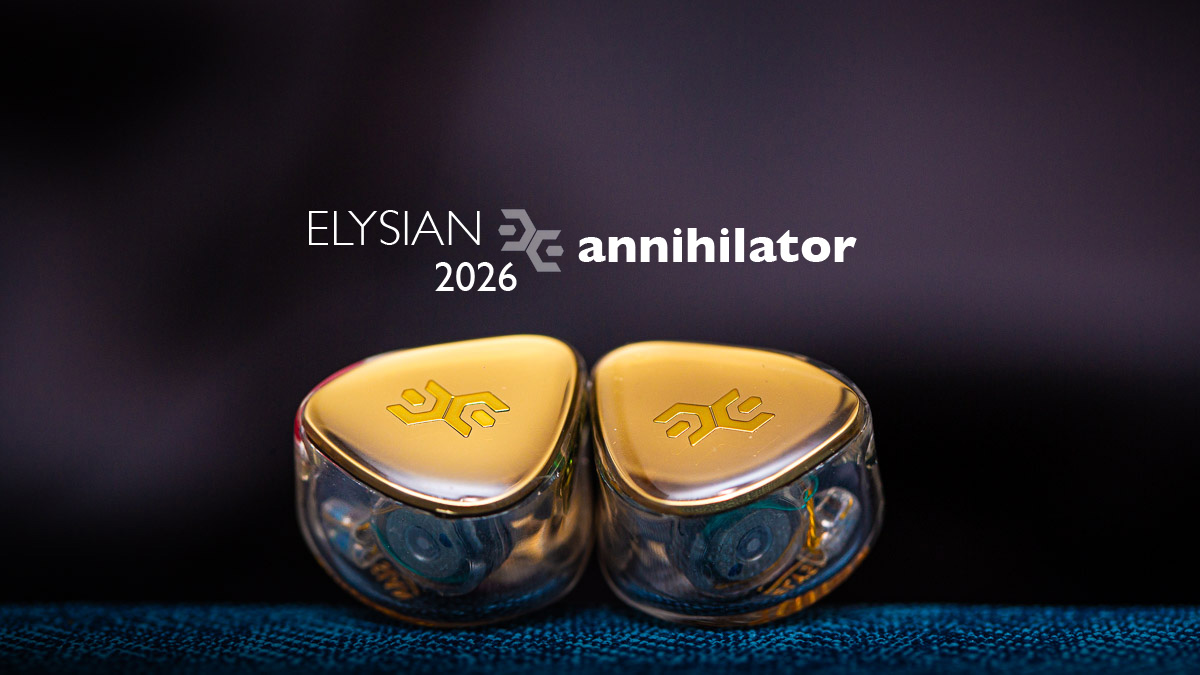
Three years on, under new ownership and a new tuning philosophy, Annihilator 2026 arrives with a lot to prove and an even larger fanbase watching closely to see whether it can live up to a name it didn’t entirely earn on its own.
This review sets out to answer that question as fairly as I can manage, treating Anni 2026 as its own thing rather than a sequel that has to justify its existence against its predecessor’s shadow. I’ll walk through where it’s come from, what’s actually changed under the hood, how it fits and wears, how it sounds across a broad spread of test tracks, and how it stacks up against a couple of notable rivals at very different price points.
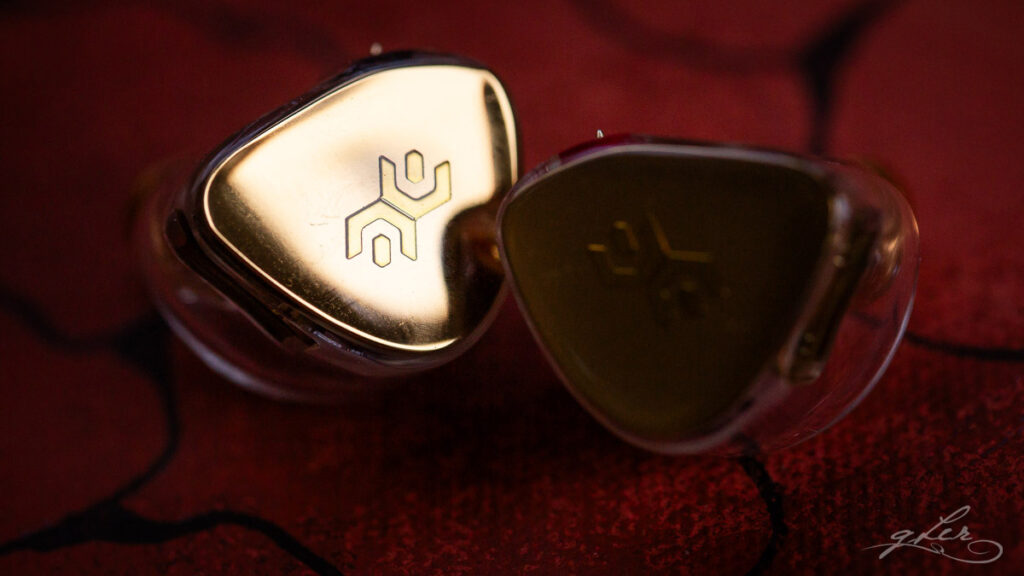
Before any of that, a thank you is in order. My sample was kindly provided by Lim Rui at Effect Audio in exchange for my honest thoughts, and I’m grateful for the opportunity to spend proper time with it. The Headphone List has no affiliation or commercial relationship with either Effect Audio or Elysian Acoustic Labs, and everything that follows reflects my own opinions, formed entirely independently and without any obligation to be kind.
So, does the crown still fit? Read on and find out, though I will say this much upfront: whatever your take on the politics surrounding this launch, there’s a genuinely interesting IEM buried underneath all the noise, and it deserves to be judged on what actually comes out of the nozzles.
Annihilator 2026 – a logical evolution
Lee Quan Ming may have moved on from Elysian Acoustic Labs, now owned and run by Effect Audio, but his fingerprints are still all over Annihilator 2026. The original design, the core technology and the driver configuration all carry through largely intact, right down to his insistence on P-ear connectors, a decision that continues to make cable rolling a proper faff for anyone without a drawer full of matching plugs.
That said, I think it would be a disservice to judge this new Annihilator purely through the lens of what came before it. Lee is close to a cult figure in IEM circles, and that kind of reputation drags loyalties, biases and forum politics along with it whether you like it or not. I’d rather draw a line under all of that here and assess Anni 2026 on its own merits, as its own product, released in its own year.
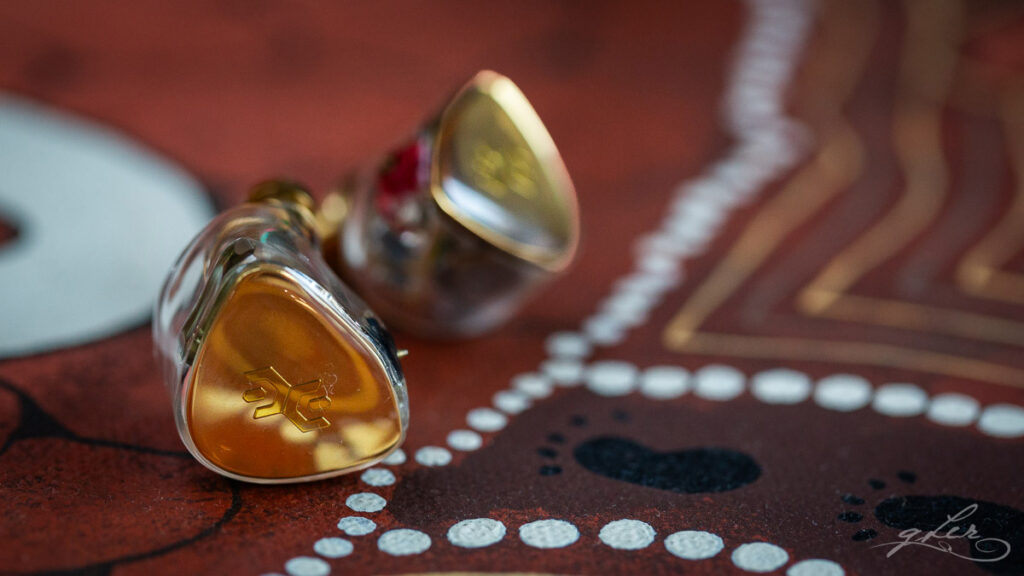
Under Elysian’s new ownership and technical team, the tuning has shifted again, not unlike the jump from the original 2021 model to the treble-focused 2023 version that made the name famous. The overall design stays put, but the treble focus has been dialled back a touch, the bass has been improved via a new LSR dynamic driver, and the cable has been reworked by Effect Audio into something new entirely.
Add it all up and you get an IEM that’s clearly a descendant of what came before, unmistakably related, yet different enough in character that it deserves to be treated as its own animal.
Personally, and I’ll build this case properly as the review goes on, I find Anni 2026 the more personable and complete all-rounder of the two, with genuine gains in technical performance alongside a distinctly different tuning character. It’s drier overall, less plush through the midrange, less bloomy in the bass and less feathery up top than the 2023 version, so if that earlier tuning was your nailed-on favourite, I’d strongly recommend auditioning 2026 before committing to a straight swap.
Worth flagging too that the shell and nozzle both seem to have grown slightly in the transition, retaining the basic structure but adding a bit more bulk, so anyone who found 2023 a tight fit is likely to find 2026 tighter still.

In my case, only one set of tips actually made a proper seal, SpinFit CP145, so there’s no tip-rolling comparison to speak of here since I genuinely couldn’t get anything else to fit; I used the same CP145s across every IEM in this review to keep things consistent. Cable rolling is similarly off the table, since the only P-ear cable I own is Anni 2026’s own stock lead, so all impressions here are built entirely around the supplied gear.
Finally, a couple of housekeeping notes. I no longer have the 2023 model in hand for direct A/B testing, but I spent several weeks living with it ahead of writing that original review, and every comparison to 2023 you’ll read here draws on that period rather than side-by-side listening. My review sample also arrived without retail packaging, so you won’t find any unboxing commentary or box photography in this piece.
Tech and specs
Underneath that familiar transparent shell, Annihilator 2026 keeps the tribrid formula that made the original such a talking point, pairing a single dynamic driver with a squad of balanced armatures and a pair of electrostatic tweeters across a 4-way crossover.

The headline change is the dynamic driver itself; out goes the older Foster unit, in comes a newly engineered 9.2mm LSR dynamic driver, which Elysian credits with the noticeably faster, tighter low end I described earlier in this review.
Two proprietary chamber designs carry over from 2023 and continue to do a lot of the unglamorous work behind the scenes:
The DiVe Pass System gives the dynamic driver independent front and rear chambers, managing air pressure and reducing phase cancellation so the bass stays controlled rather than smeared, while the 3D AccuPost System is a separate acoustic chamber tuned specifically for imaging and staging accuracy, time-aligning wavefronts at the crossover and taming internal resonances so transients land where they should.
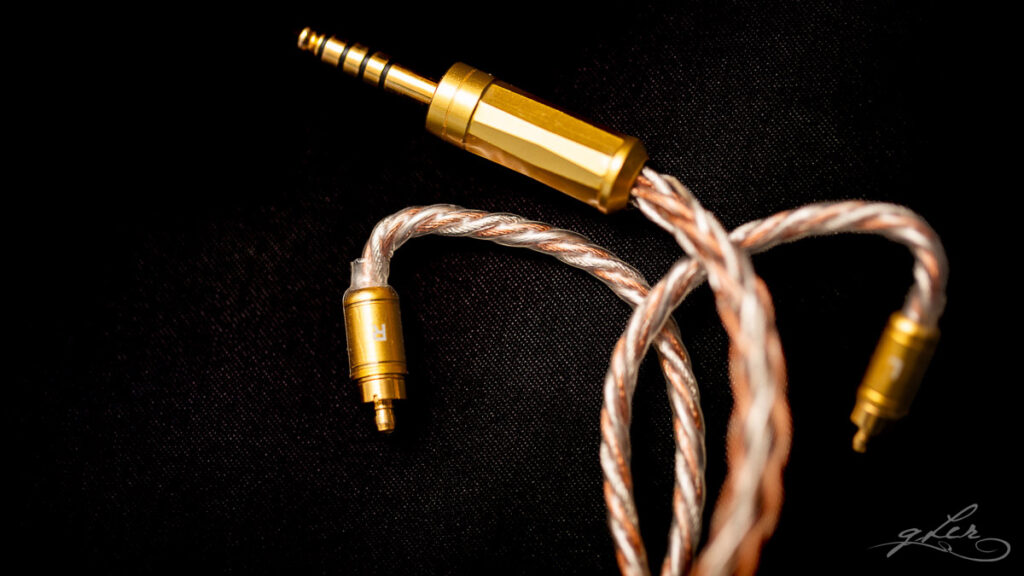
Effect Audio’s contribution goes well beyond ownership on paper, too, with its WRATH cable built specifically for this IEM. It’s a two-part conductor design, with one half using two different purity grades of pure silver for speed and detail, and the other half combining gold-plated silver with a tri-metal core of copper, pure silver and a silver-copper alloy for balance and control; in practice it’s a cable clearly engineered to let the rest of the IEM’s tuning through rather than colour it further.

Specifications
- Driver configuration: 7-driver tribrid — 1x custom 9.2mm LSR dynamic driver, 4x balanced armature drivers, 2x electrostatic tweeters
- Crossover: 4-way
- Proprietary technologies: DiVe Pass System, 3D AccuPost System
- Frequency response: 20Hz–45kHz
- Sensitivity: 96dB @ 100mV @ 1kHz
- Impedance: 22Ω @ 1kHz
- Cable: WRATH by Effect Audio
- Price: $3,299
- Official website: elysianacousticlabs.com
With the hardware out of the way, it’s time to get into how all of this actually translates into sound. The following sound impressions and select comparisons sections cover exactly that, working through tonality and technical performance track by track, before setting Anni 2026 against two very different rivals to see where it lands in the wider market.
Continue to sound impressions…