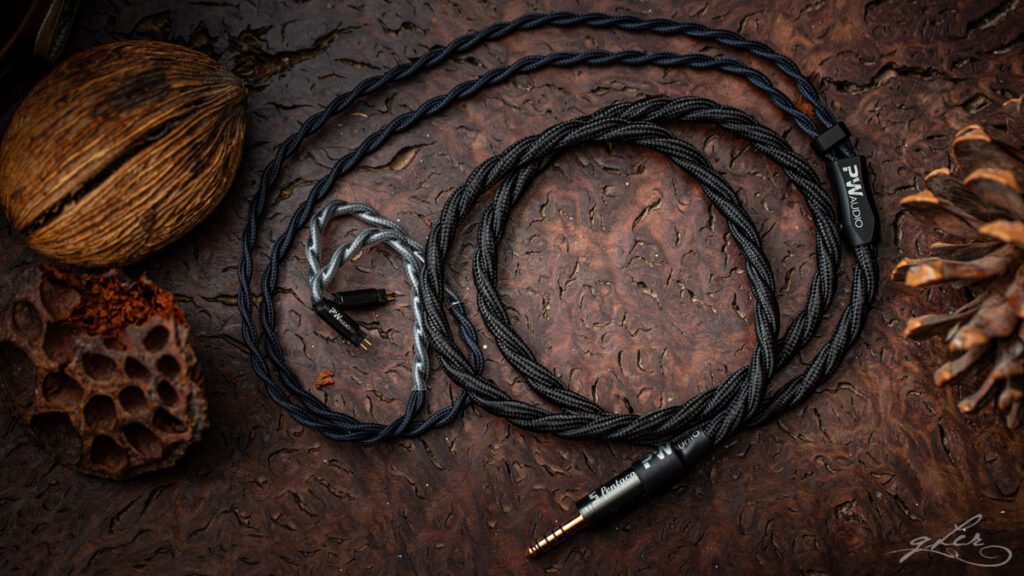
Select pairings
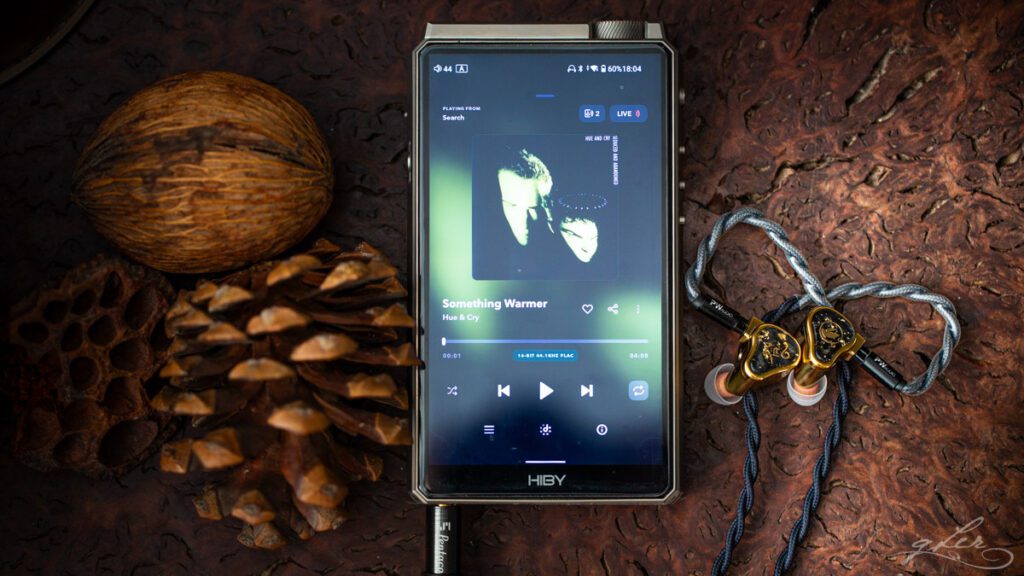
FIR Audio Rn6 (reviewed here). This is my ‘reference’ IEM, with a balanced W-shaped tuning and a linear bass to mids to treble transition that I find both natural and enjoyable. It can also get lively, with upper mids and treble energy occasionally pushing up the line, but to date it hasn’t crossed that line using its stock cable and a selection of cable updates, including Orphy.
With FTS, it comes about as close to the over-energetic line as I care to take it, and while I can mitigate this somewhat by using a warmer source, I don’t think FTS is the right cable for Rn6, at least not for me. That’s not to say it won’t be for everyone, because the strong points I took time to describe – resolution, space, speed – they’re all there in spades. Bass is tighter, and the midrange takes another step forward.
On the plus side, I really like the ergonomics of FTS with Rn6 (I have the custom version). It feels perfectly weighted and secure in ear, and I don’t feel the cable tugging downward even when walking around. Microphonics are also virtually nonexistent for me with this pairing.
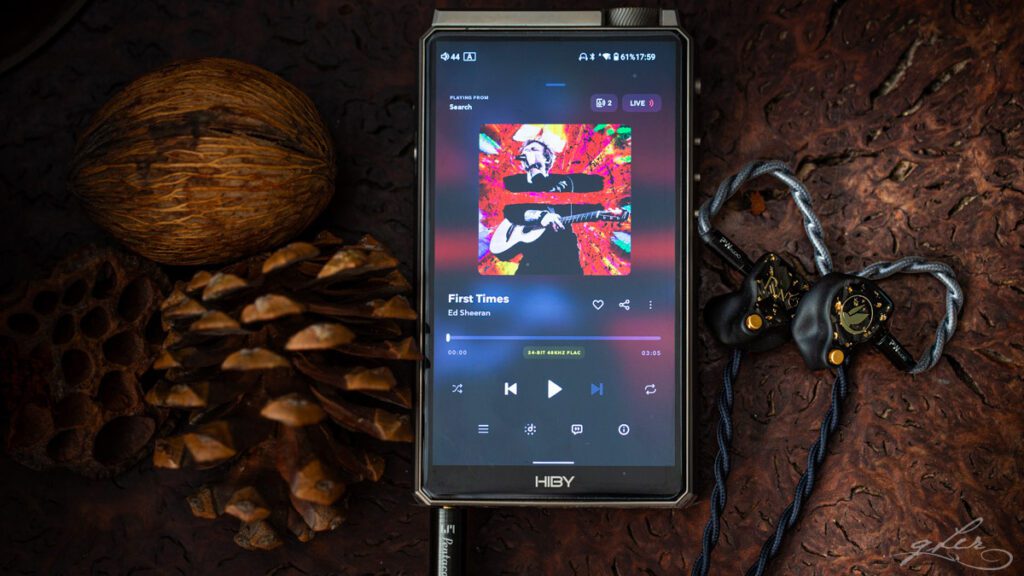
FatFreq Maestro SE (reviewed here). This is a very interesting IEM with a ‘sleeper’ subwoofer that only activates when there’s sub-bass information in the music. When there isn’t – and there often isn’t – it sounds balanced, with a linear albeit slightly leaner midrange, and treble that’s nicely sparkly but occasionally peaky if fit isn’t perfect.
Because of its tuning peculiarities, FTS is a bit Jekyll and Hyde with MSE. When there’s bass in the track and not too much treble energy, the pairing is delightful. FTS works well to extend the sub-bass reach even further without making it bombastic, and leans out the midrange to give the overall bass effect a tight, textured presence.
Where it doesn’t work so well is the midrange and, unfortunately, the treble. MSE is a very good IEM, make no mistake, but it’s not quite up there when it comes to midrange and treble quality, at least not compared to the Frontier Series IEMs. FTS exposes this shortcoming, and I find any track that borders on bright or thin to be double downed with FTS attached.
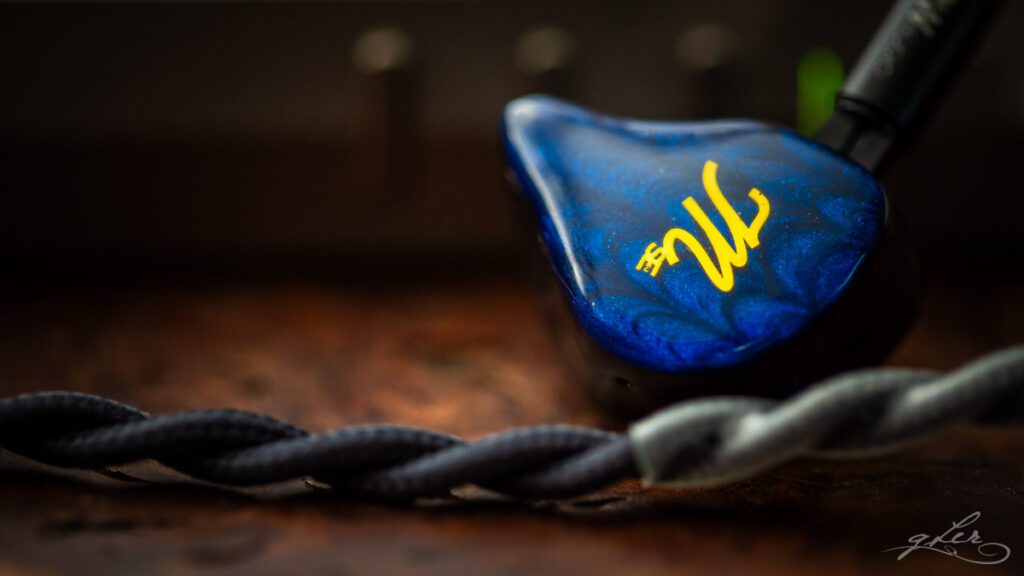
FIR Audio Xe6 (reviewed here). Now here’s a pairing that makes far more sense to me. With its warmer, thicker midbass and lower midrange, Xe6 can sometimes tilt too stodgy for my liking. Thankfully that’s never the case with FTS.
Tightening the midbass, FTS exposes more of Xe6’s sub-bass range, which is there but not always obvious when the midbass is firing on all cylinders. Likewise, Xe6 has exceptional quality mids and treble, neither of which are too forward, and what some would even call soft. FTS injects some energy here, opening up the space and eeking out even more details, while not upsetting the tonal balance too much in either direction.
If there’s one IEM in my collection that makes full use of FTS’s strengths and negates its shortcomings, Xe6 is probably it. I might even argue it pairs better with FTS than it did with Orphy, although I don’t find the effect on Xe6 of either cable that dramatic that it changes the sound completely. At the very least, I can enjoy FTS to the full with Xe6, which is more than I can say for the other two IEMs, and also a few others I didn’t have time to properly vet for this review.
Closing thoughts
When it comes to cables, I generally find copper the safest and most appealing material, sonically, for my preferences. Almost every copper cable I’ve heard has a similar effect on sound, beefing up the lows, smoothing out the highs, keeping the midrange real. Copper also has a reputation for not always maxing out the technical performance of an IEM, but again, like the tonal generalisations I made before, that’s not always the case.
In FTS, PW Audio has created a cable that turns these so-called truisms upside down, smashes them over the head, and kicks them into touch. Here we have the purest of pure copper cables that tightens the bass, open the mids, and raises the highs to stratospheric levels, all the while pushing technical performance off the charts.
If its forebear, Orpheus, took the notion of copper romanticism just about as far as it could go, creating an almost new reality for copper cables in the process, FTS takes the same formula but changes the script completely. Gone is the honeylike sweetness, replaced with focus, precision and energy. Gone are the smooth transients and relaxed uppers, replaced with speed, verve and an abundance or air.
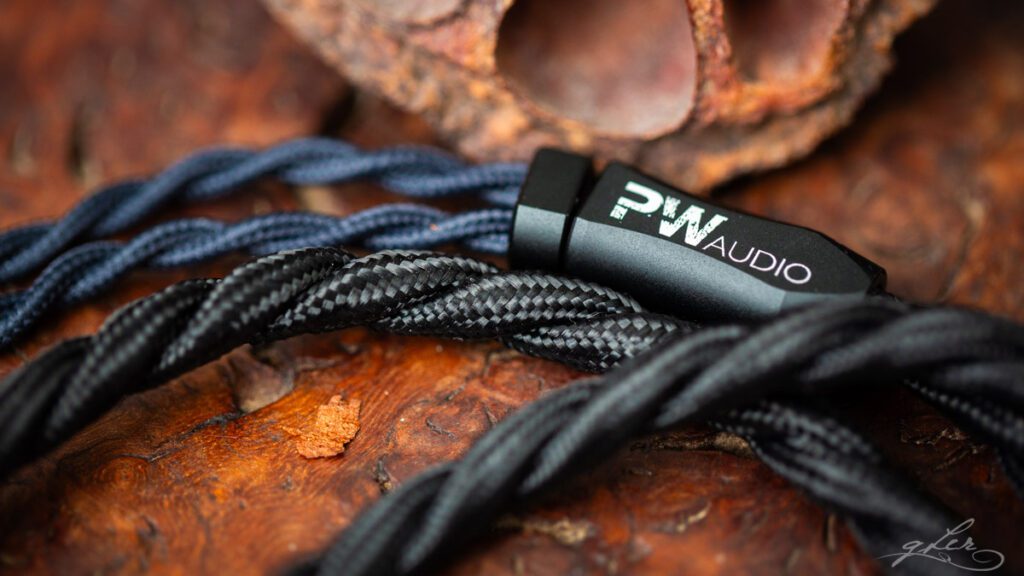
So stark is the contrast between these two cables that I didn’t even feel the need to bring any other examples into this review. Take Orphy and FTS, and you have both sides of the same coin, covering all your bases, and potentially having a TOTL performer for each and every IEM in your collection.
Summing up, I can see why FTS has been placed on the same podium as Orpheus. It’s every bit as technically capable and assured, with exceptional control and crystalline transparency across the range. That I don’t find it quite as pleasant and intoxicating a listen compared to Orpheus is really down to my personal preferences for a warmer, weightier sound, so keep that in mind if you feel some of my criticisms unfounded.
FTS is a specialist, high-performance cable that I can wholeheartedly recommend for those with financial means and compatible IEMs. It’s about as great a performer as you can get in a cable, with the caveat that it’s going to impact your IEMs in ways that may or may not push them closer to your ideal. There’s only one way to find out if that’s the case, and that’s to hear it for yourself.