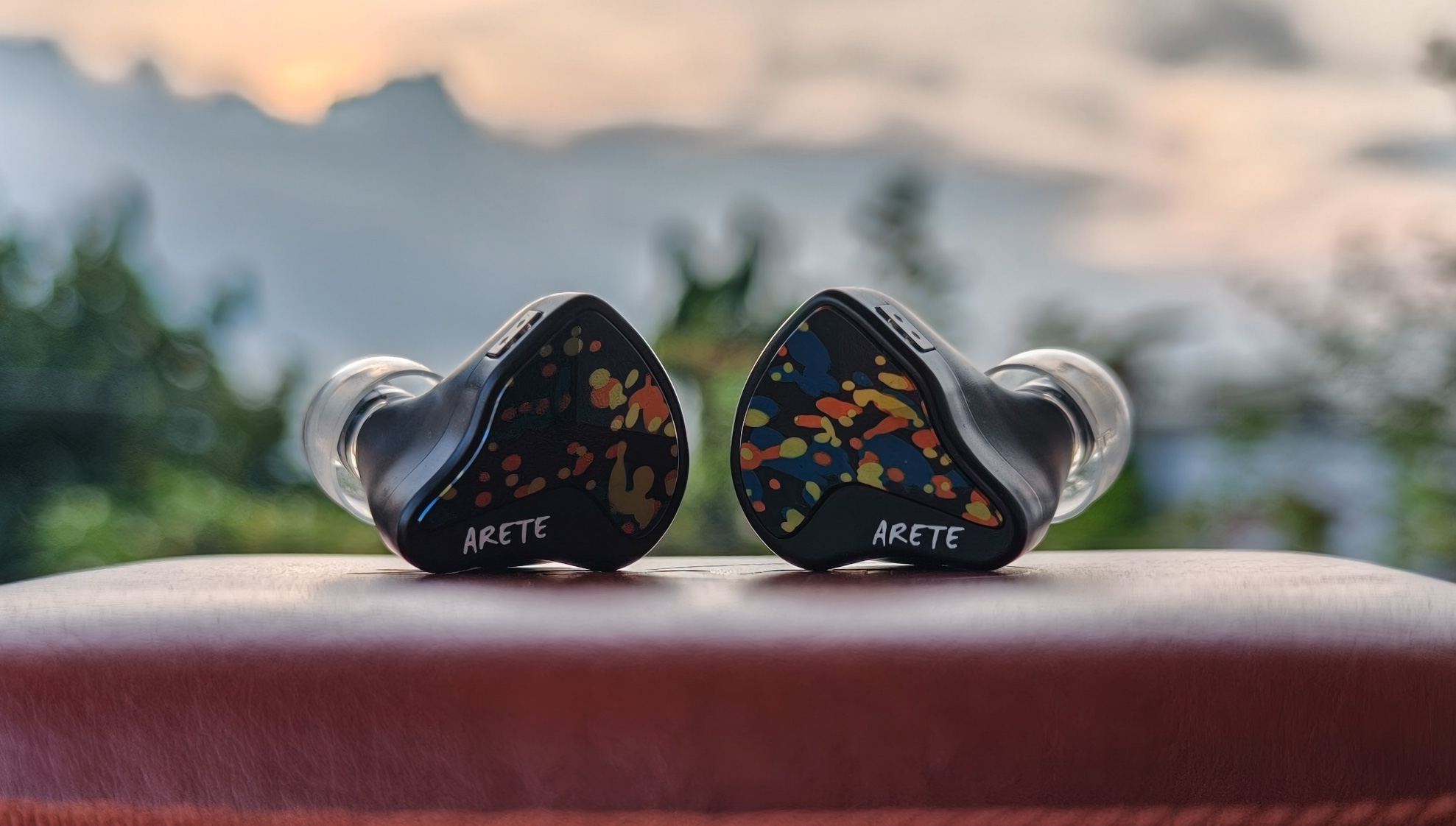

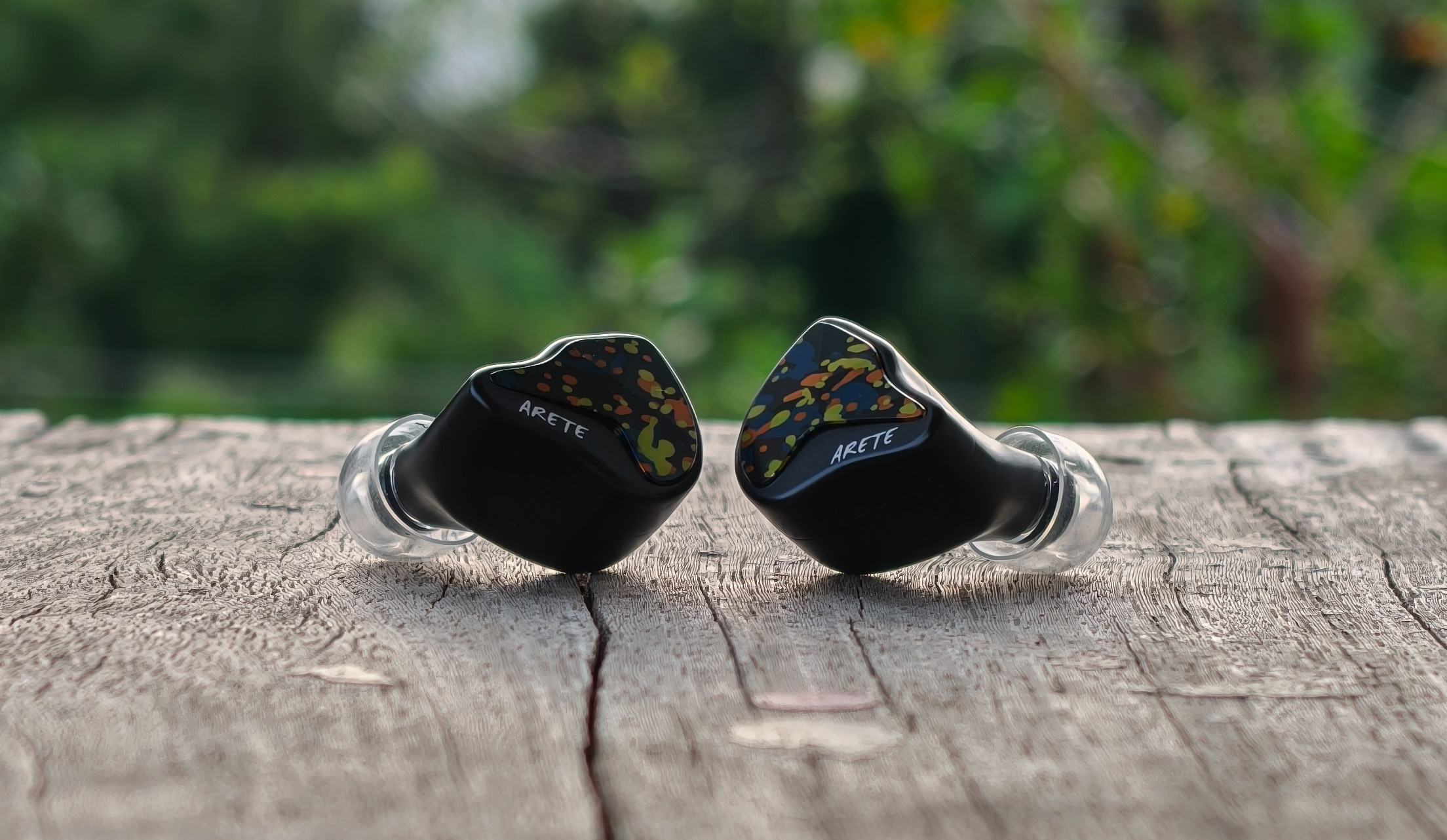
Ziigaat, hailing from the land of China is known for their high quality hybrid IEMs. They rose to glory with their Cincotres and Dosinco hybrid IEMs and have been releasing IEMs strictly under $500 for the last couple of years and usually like to play around the numbers of the DD and BA drivers. They did release an all BA IEM Luna earlier this year but were back to their hybrid roots with the Horizon. Yes is a tri-brid IEM with a detail oriented presentation. What I have here with me is their latest simpler hybrid IEM. Arete II isn’t exactly new but this rainbow variant is launched just a few weeks ago. It houses a DD which is paired with 4 BA drivers to offer very good clarity across the spectrum. The USP here is the tuning switch that offers a bit of warmth with the lows and lower mids. While the OG Arete II has single color back plates, this one has a more colorful one with similar design and exactly same build quality. Priced at $279 this goes head on against Binery Acoustics 1900 and I will be comparing it with Horizon too.
Get one from here:
UNBOXING AND ACCESSORIES:
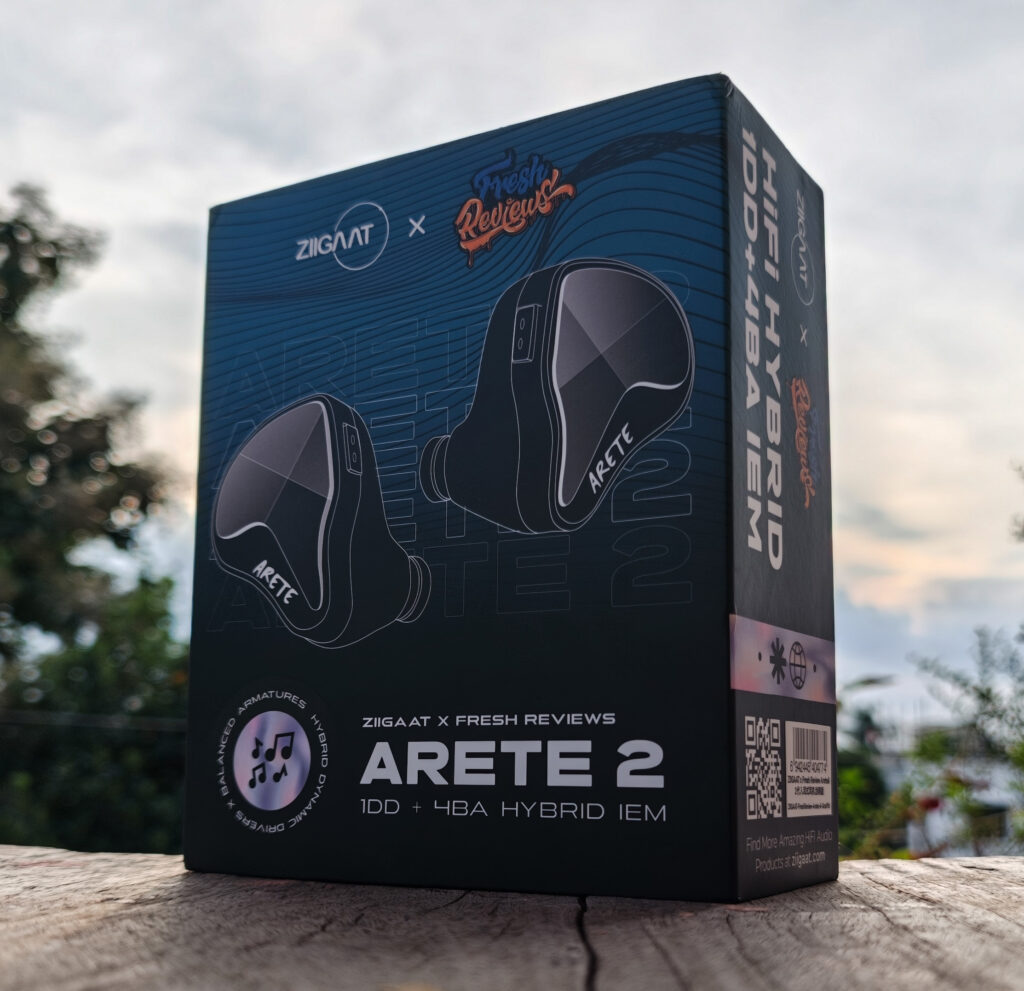
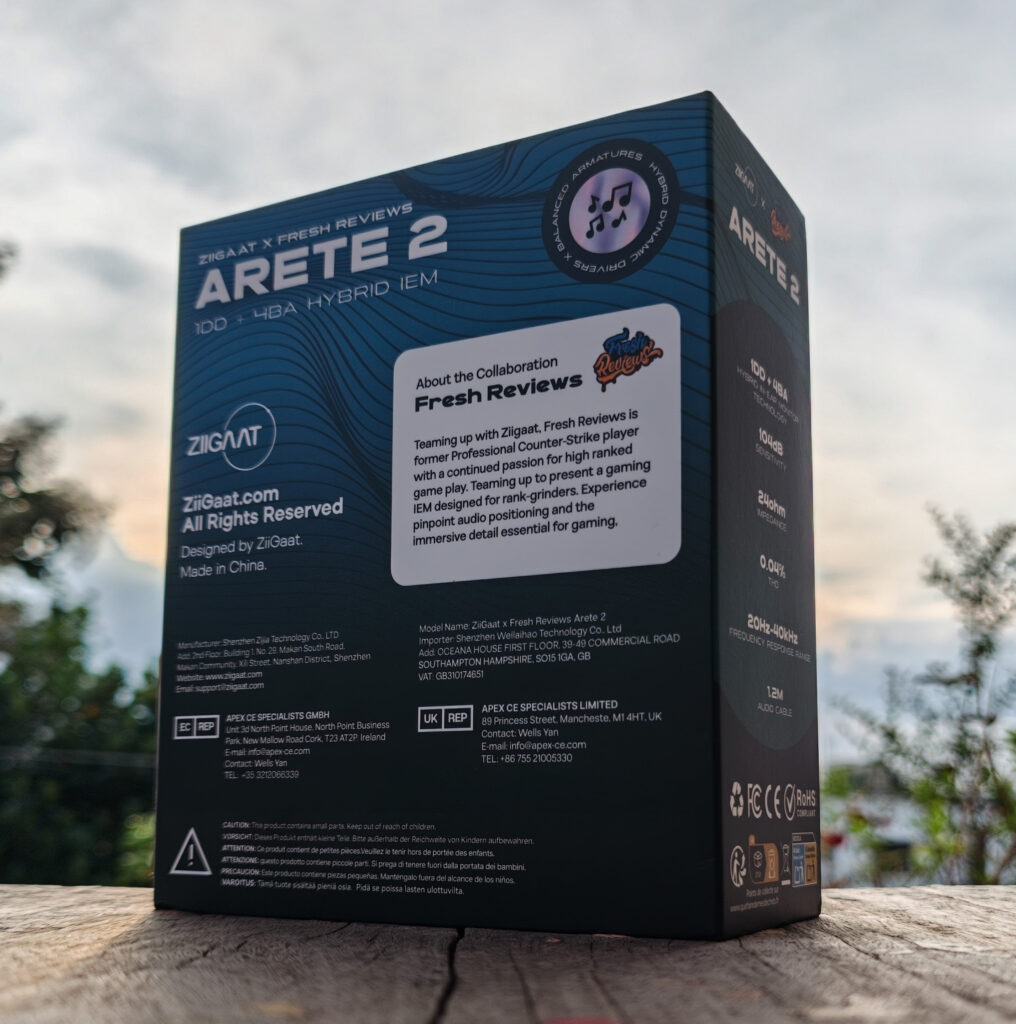
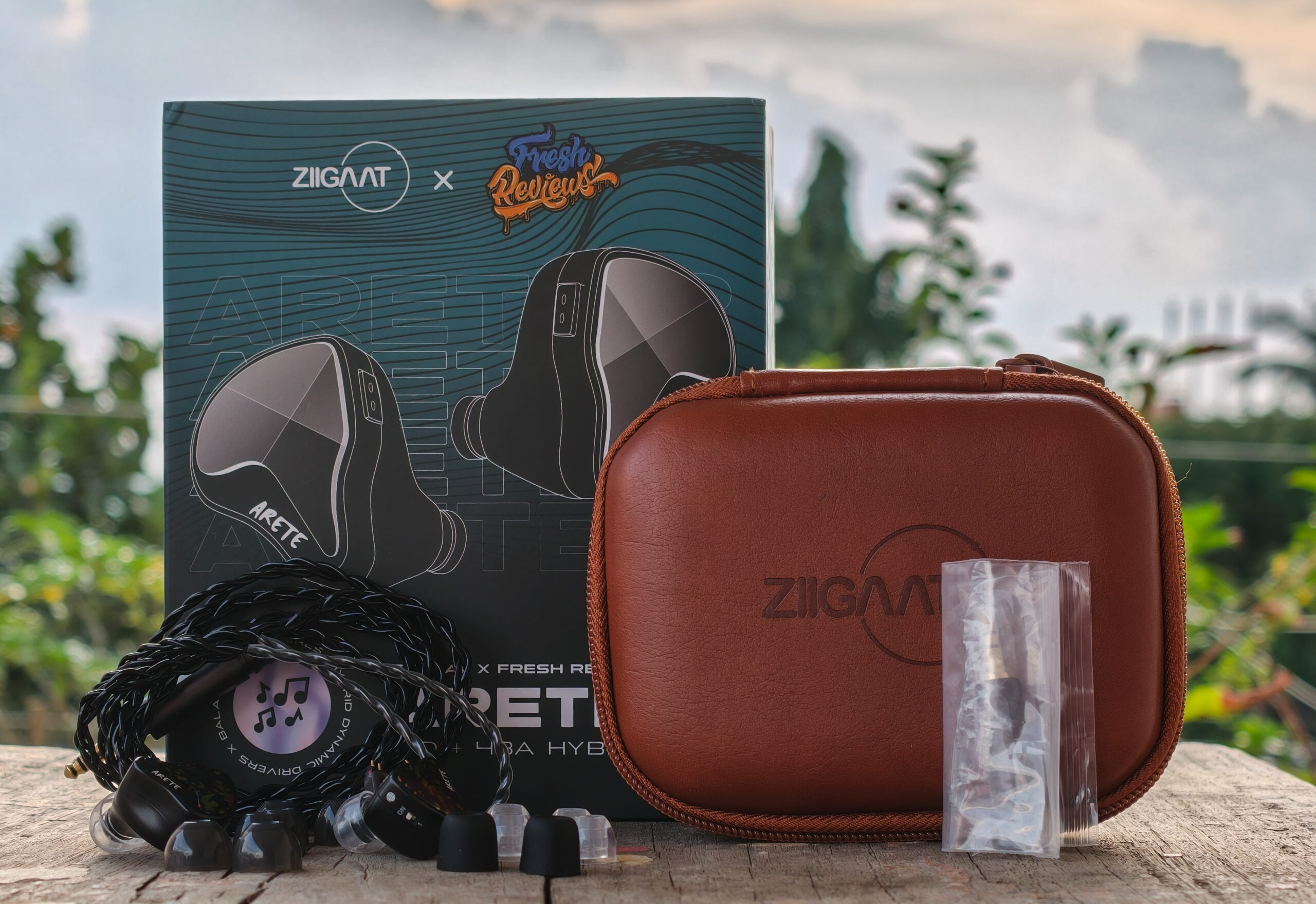
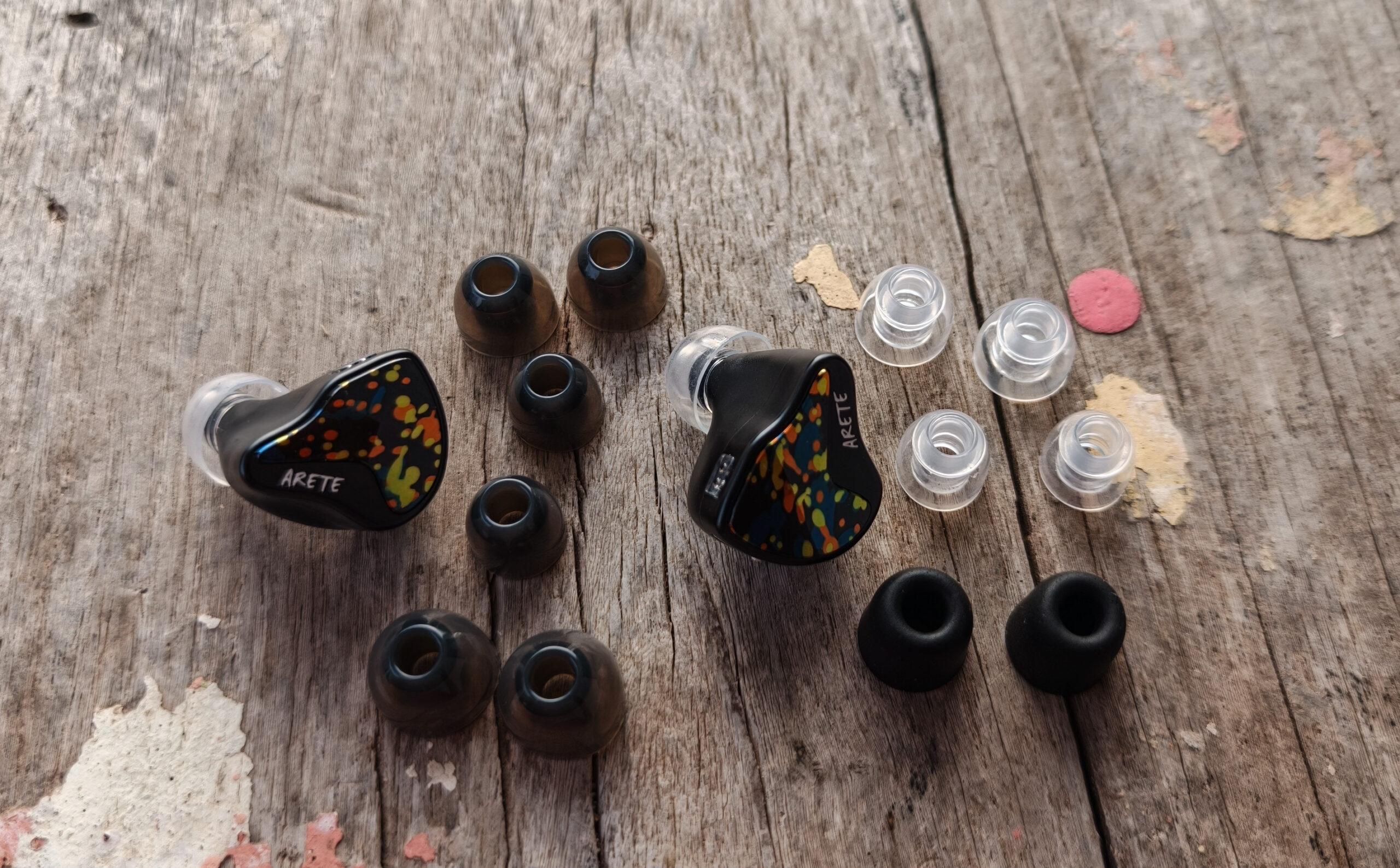
Take the paper cover off, lift the lid and we have the earpieces stuffed in foam while all other accessories are placed inside a paper box under it. We get a good set of accessories here. It ships with 2 set of tips, transparent and black sticky silicon in S/M/L sizes and a pair of M foam. It has a high quality, spacious, faux leather carry case with structures to store the IEM securely. We get a modular cable with 3.5mm and 4.4mm modules.
BUILD AND ERGONOMICS:
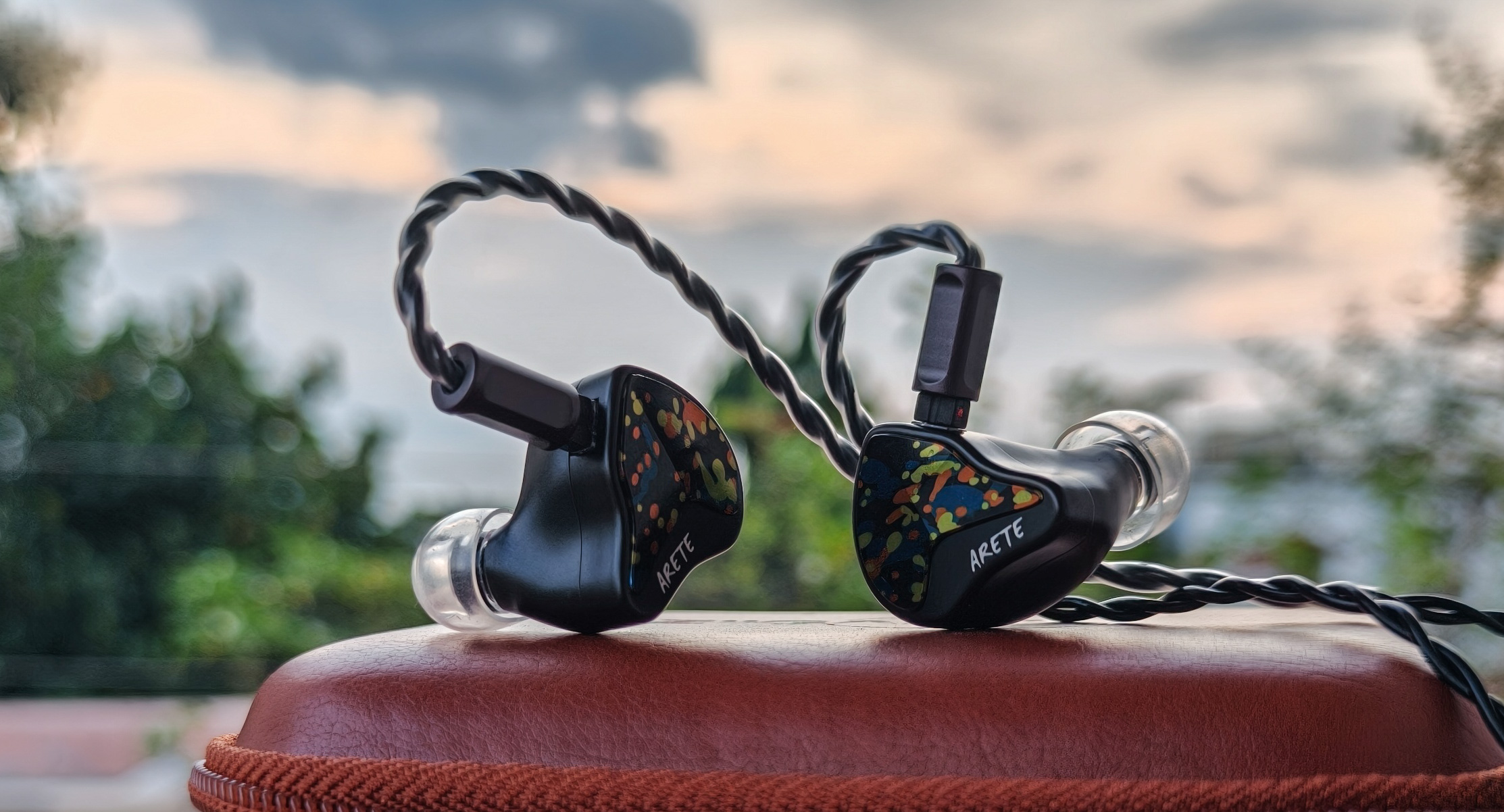
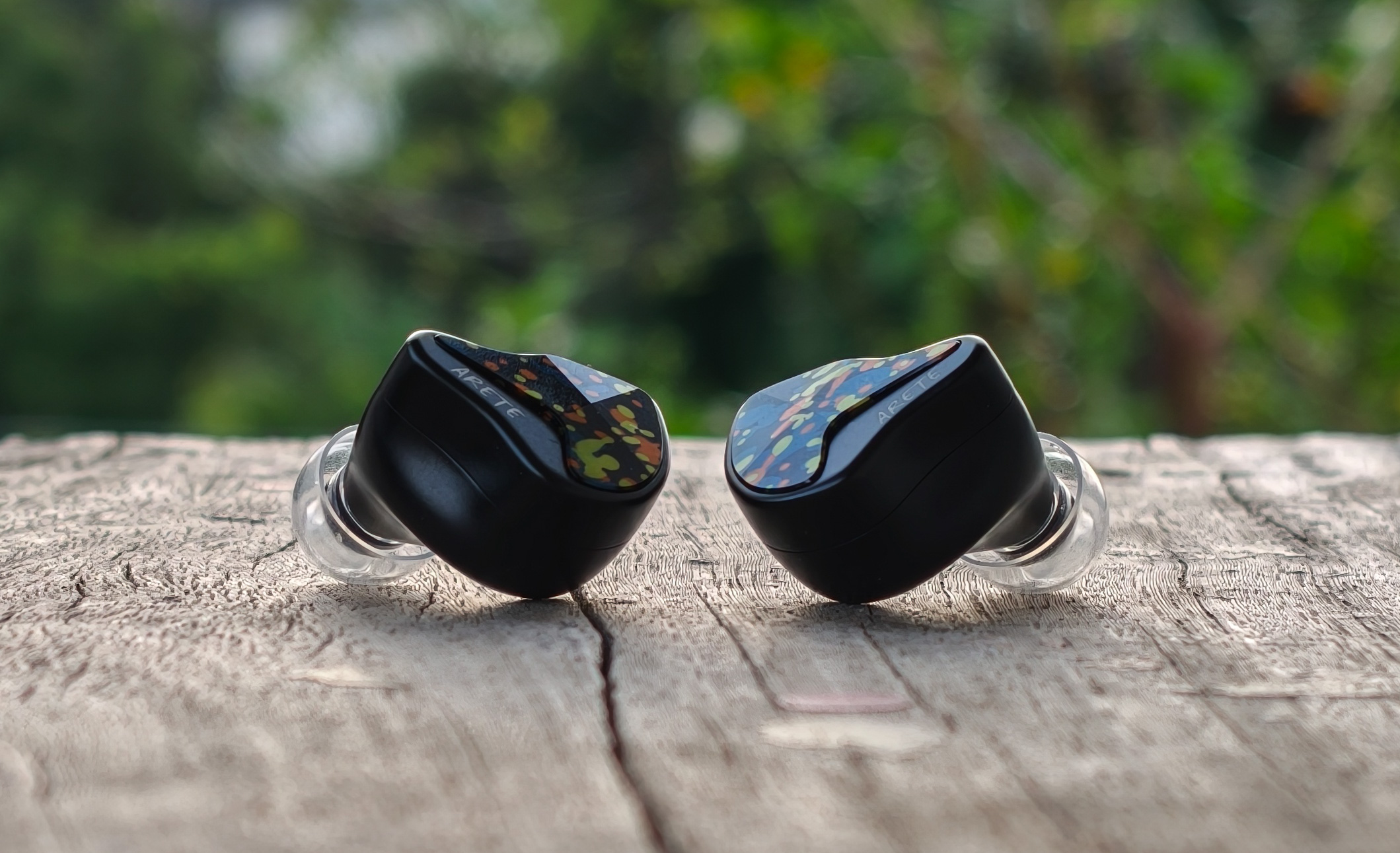
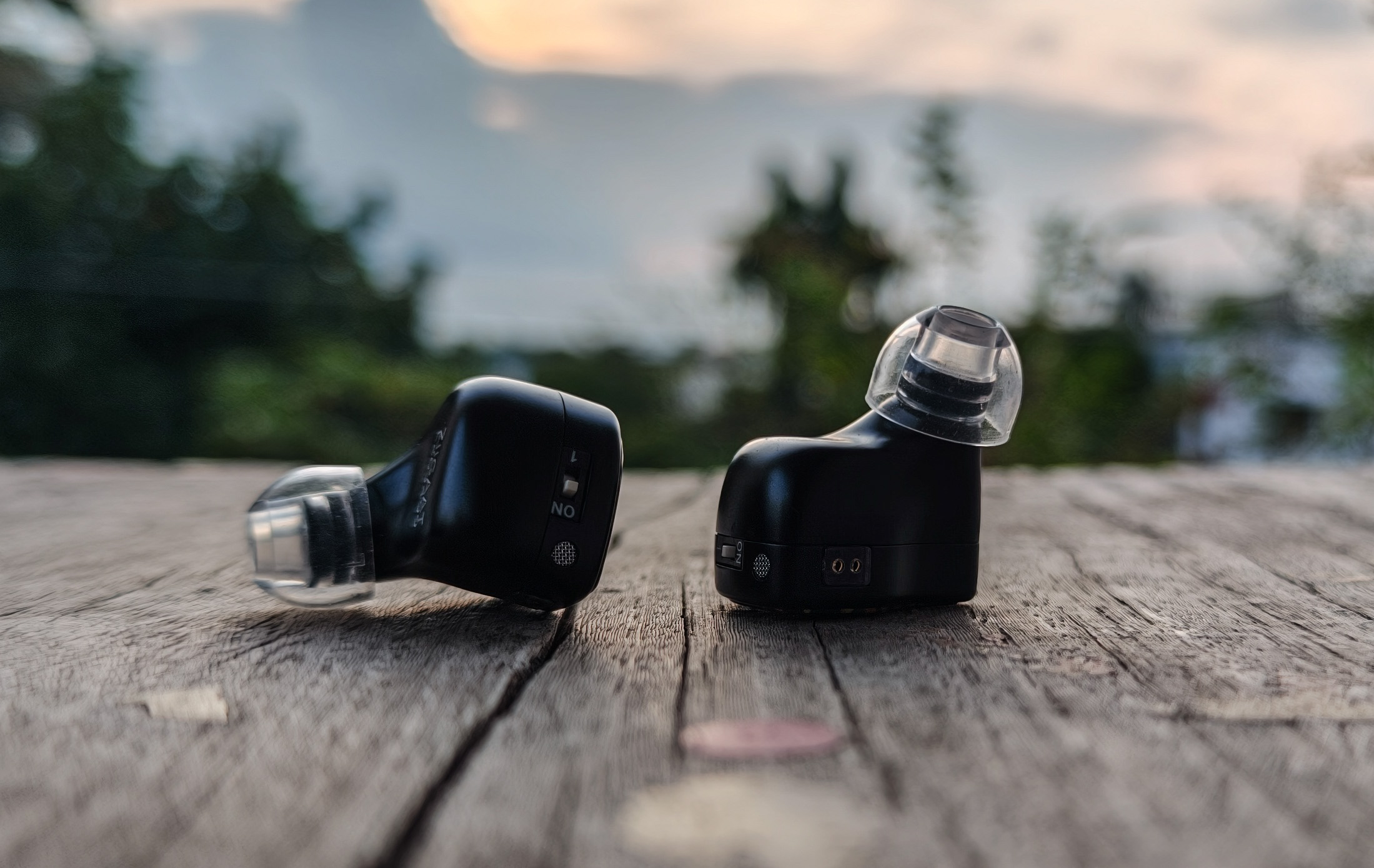
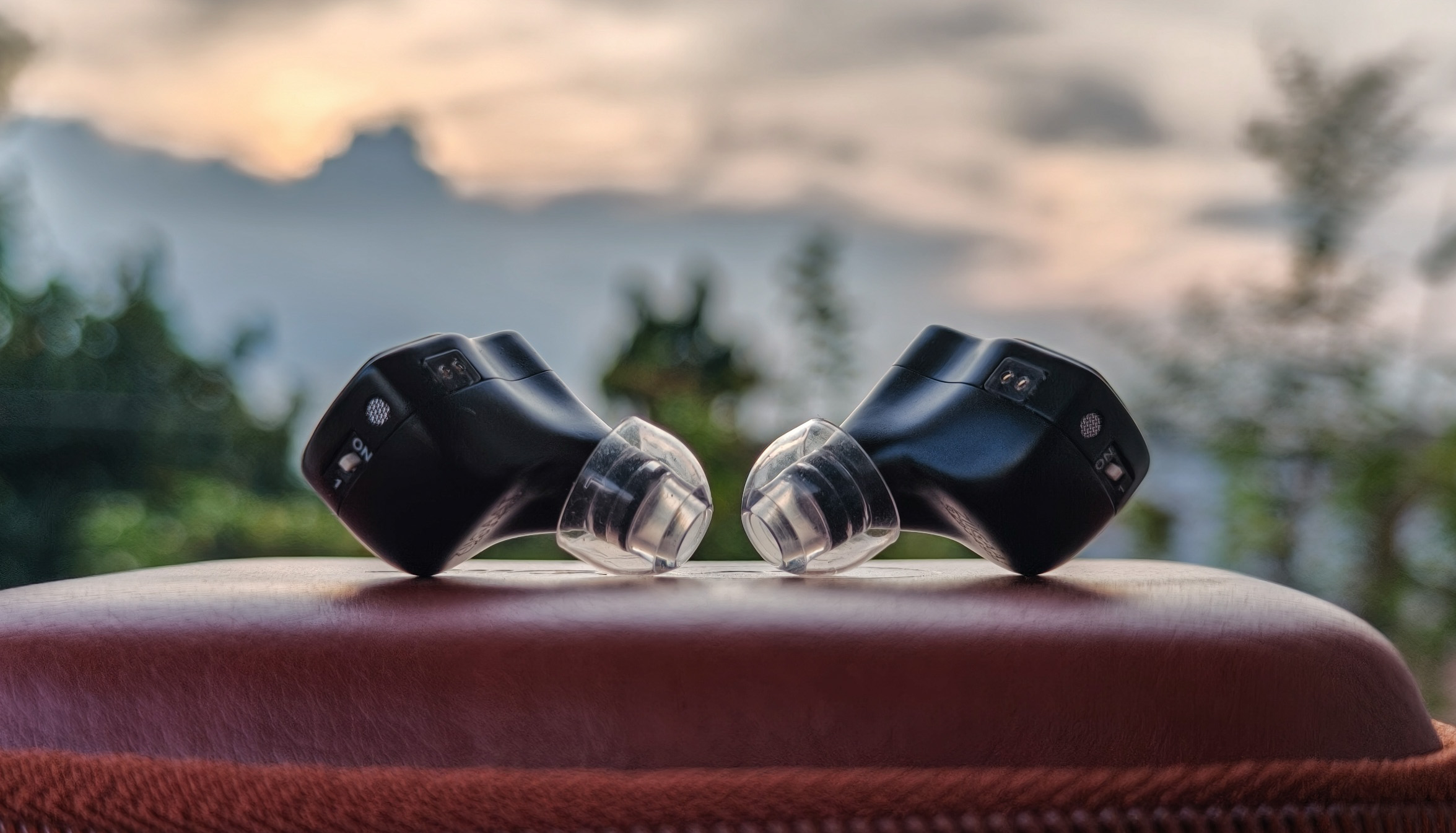
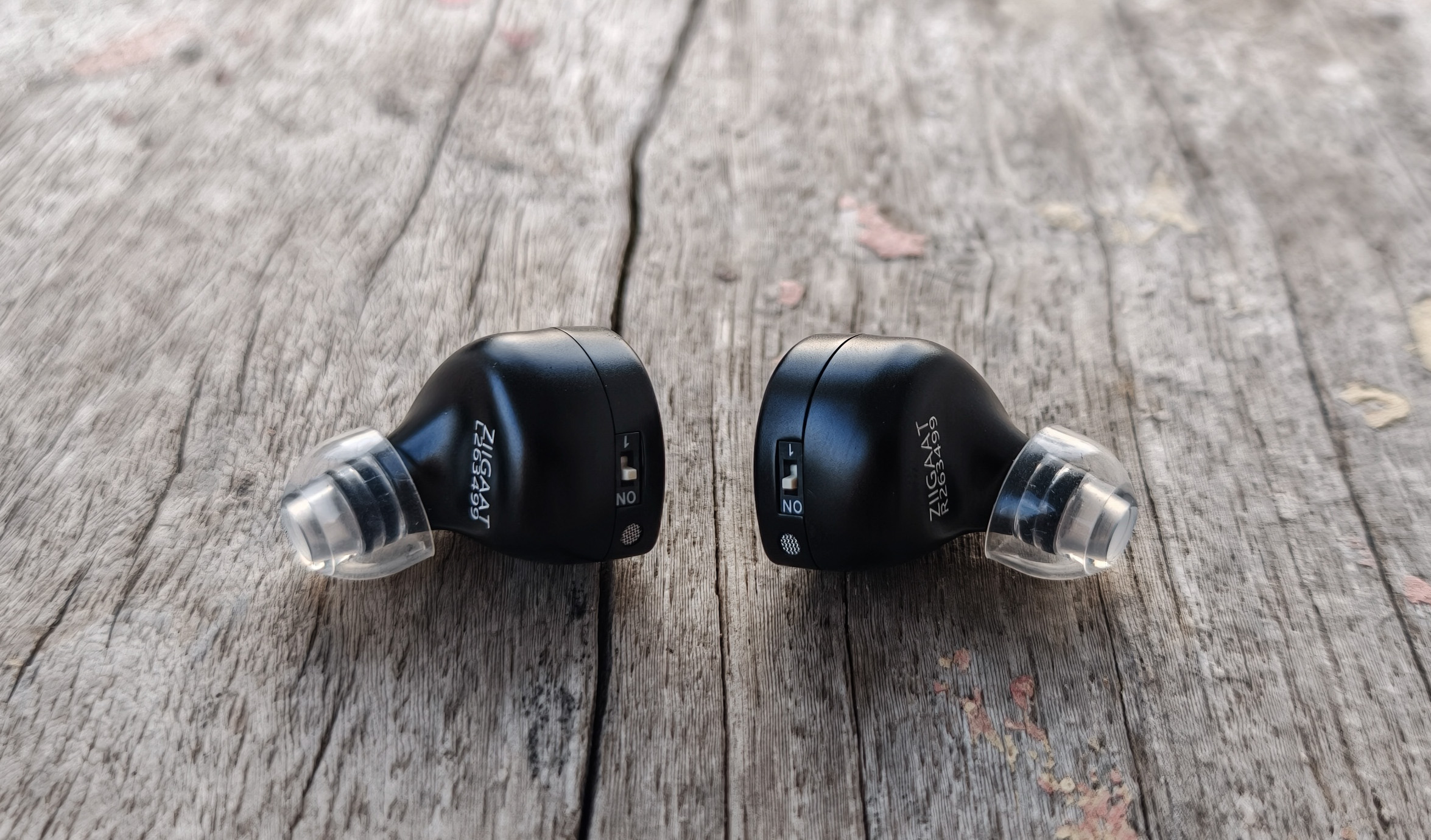
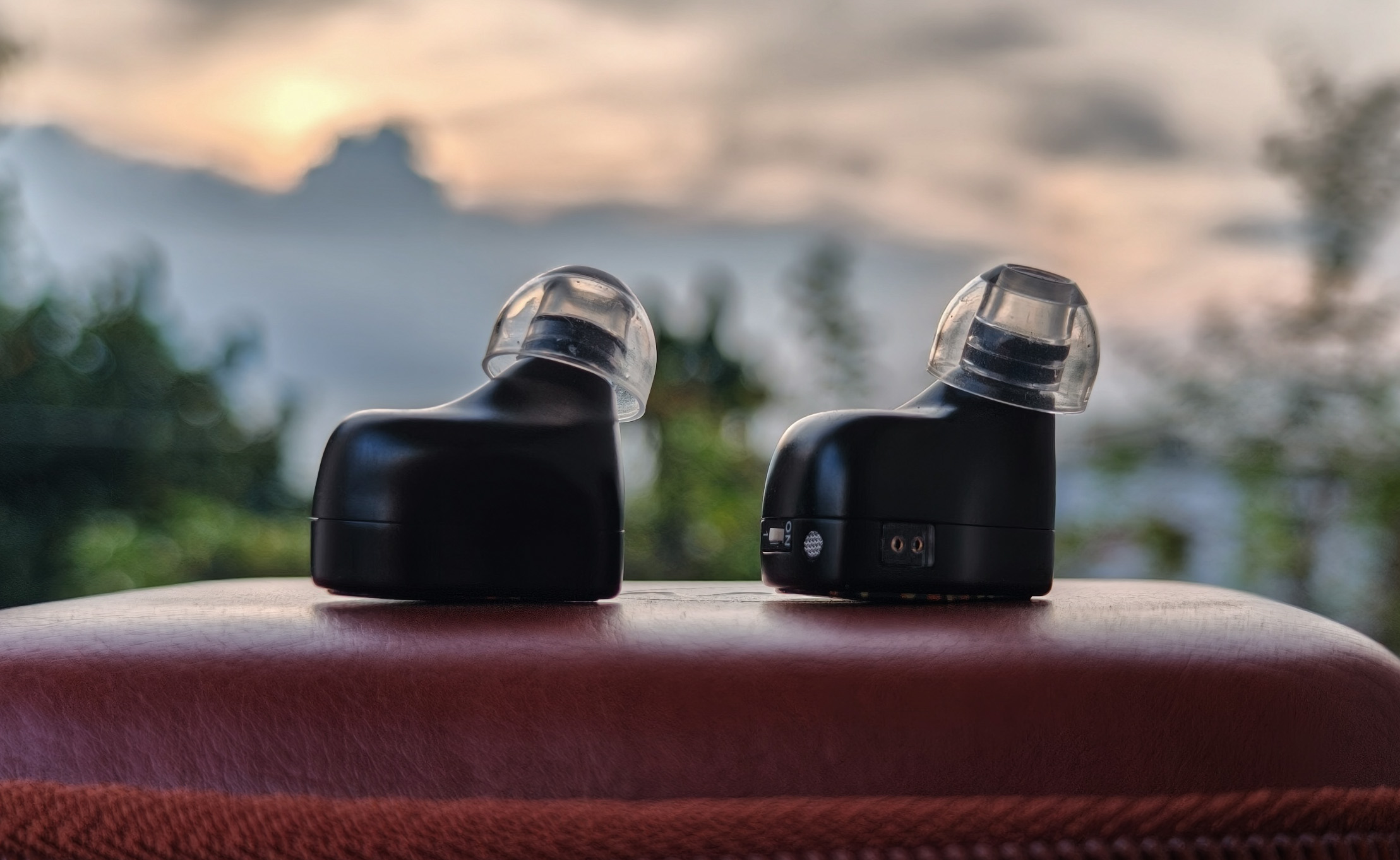
Arete II get a special treatment here. Unlike the other Ziigaat IEMs, this comes in an all metal shell. It’s slightly on the heavier side but doesn’t weigh down. It doesn’t have a semi custom like shape but has the curves at the right places, offering an reasonably comfortable fit and stability inside the ear. Even though the numbers of drivers are a bit on the higher side, Arete II isn’t a very voluminous IEM, in fact it’s smaller than most and can fit most ears without much issues. The switch is very sturdy too and one can use their fingers to flick these and that’s an excellent thing. It has a slightly short nozzle with 5mm diameter bur doesn’t have any issues with fit or stability. Its matte shell looks nice while the multicolour back plate looks aesthetically pleasing. We get a good looking metal mesh covered vent positioned just aside the switch.
CABLE:
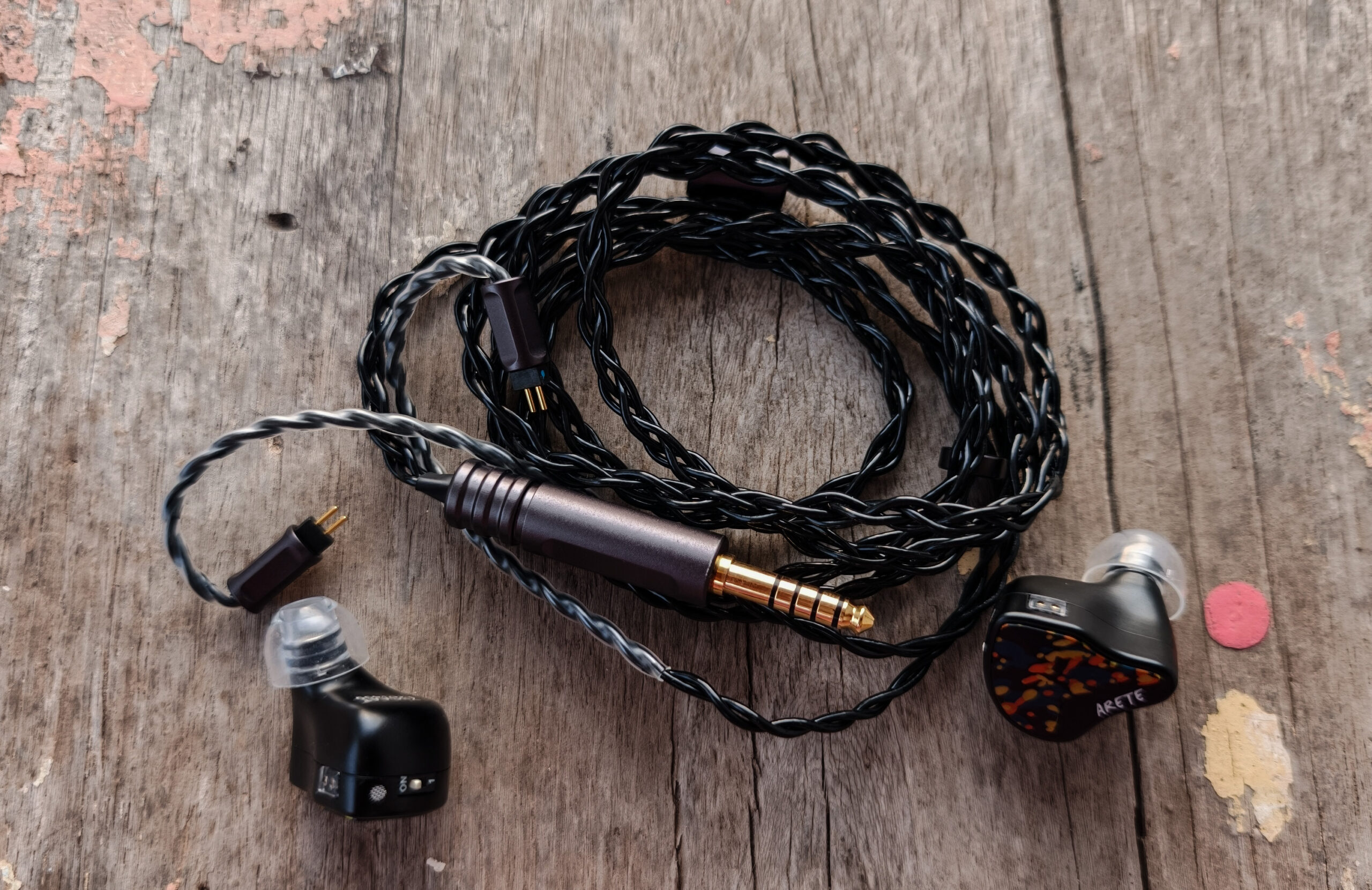
Arete II ships with the exactly same cable as the Horizon. This is a 4 core, silver plated OFC cable with a soft layer of PVC coat on it. This cable has little to no memory issues, it’s not bouncy and minor microphonics to worry about. Ziigaat has used good quality, metallic connectors here, while the 2pin and Y splitter are reasonably low profile, the jack is on the larger side. It doesn’t have much stress reliever at the jack either. Cable guides are comfortable and the cable slider too works better than most IEMs.
PAIRING WITH SOURCES:
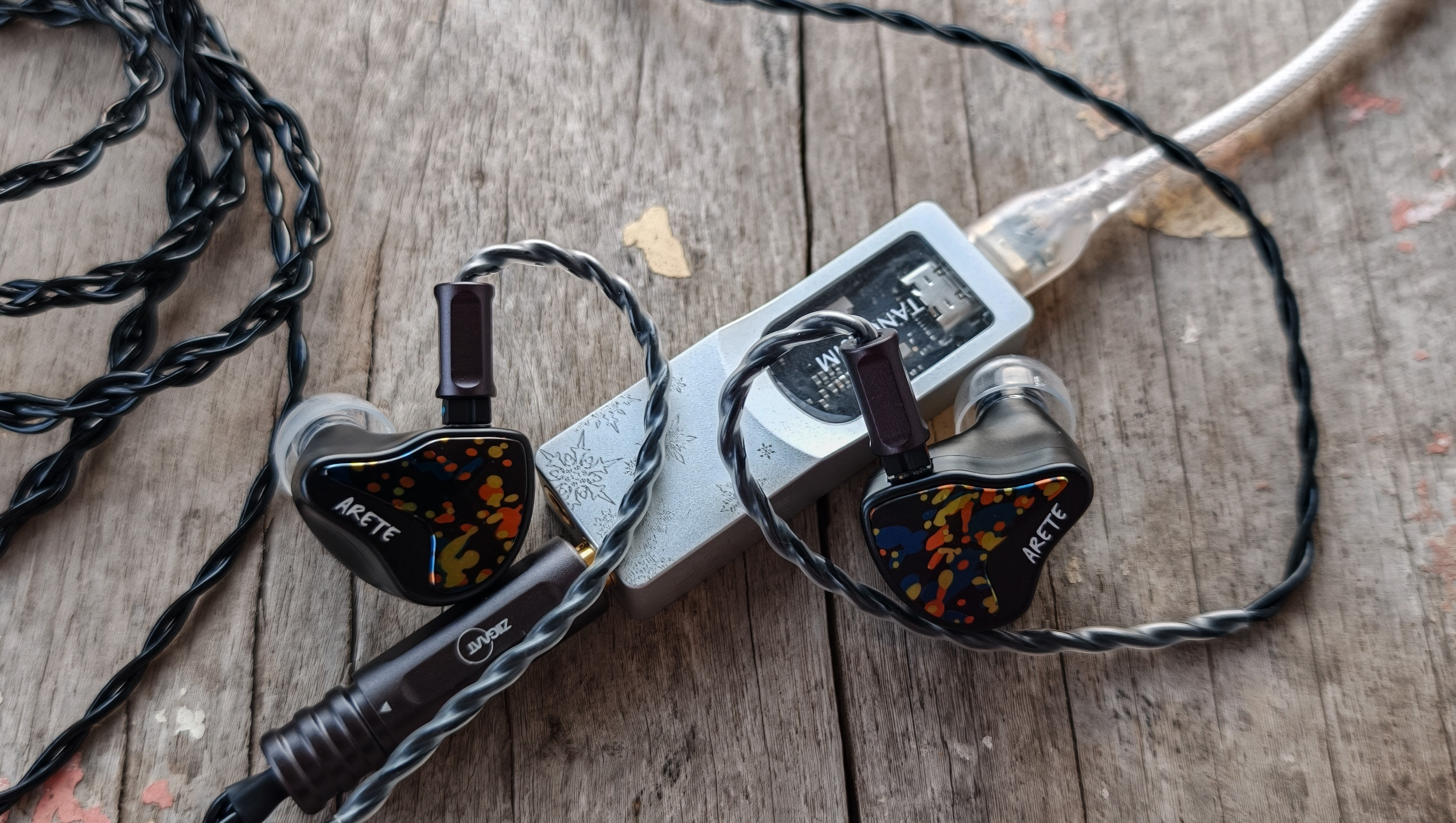
I tried a few sources with the Arete II and even when it has 4 BA drivers it doesn’t need a lot of power to sound good. I tried the warmish and fuller sounding Muse Hifi M3 Ultra, it does offer a bit more poise and slightly more comfortable presentation. I tried it with the DDhifi TC44 grip, which is an analytical sounding source and Arete II reciprocates with similarly energetic and precise notes.
Pairing it with the Shanling UA7 was a delicious affair for me, Arete II responded nicely to the slightly fuller and admirably cleaner presentation. So.. basically, it doesn’t need a powerful source to sound good but responds to the source’s base nature.
SOUND QUALITY:
Arete II is an excellent hybrid IEM. I love the fact that Ziigaat is willing to experiment. This switch is something I wasn’t expecting but this definitely is a worthy addition here and this review is with the switch on since it offers a more effortless presentation.
Overall, it has a neutral presentation with a bit of sub-bass emphasis which I love, a lot to be precise. We are getting an uncolored mid range while the highs slightly more lively but is much more calmer than Horizon.
I am using Tanchjim Space Pro for this review while the silicon tips on the IEM.
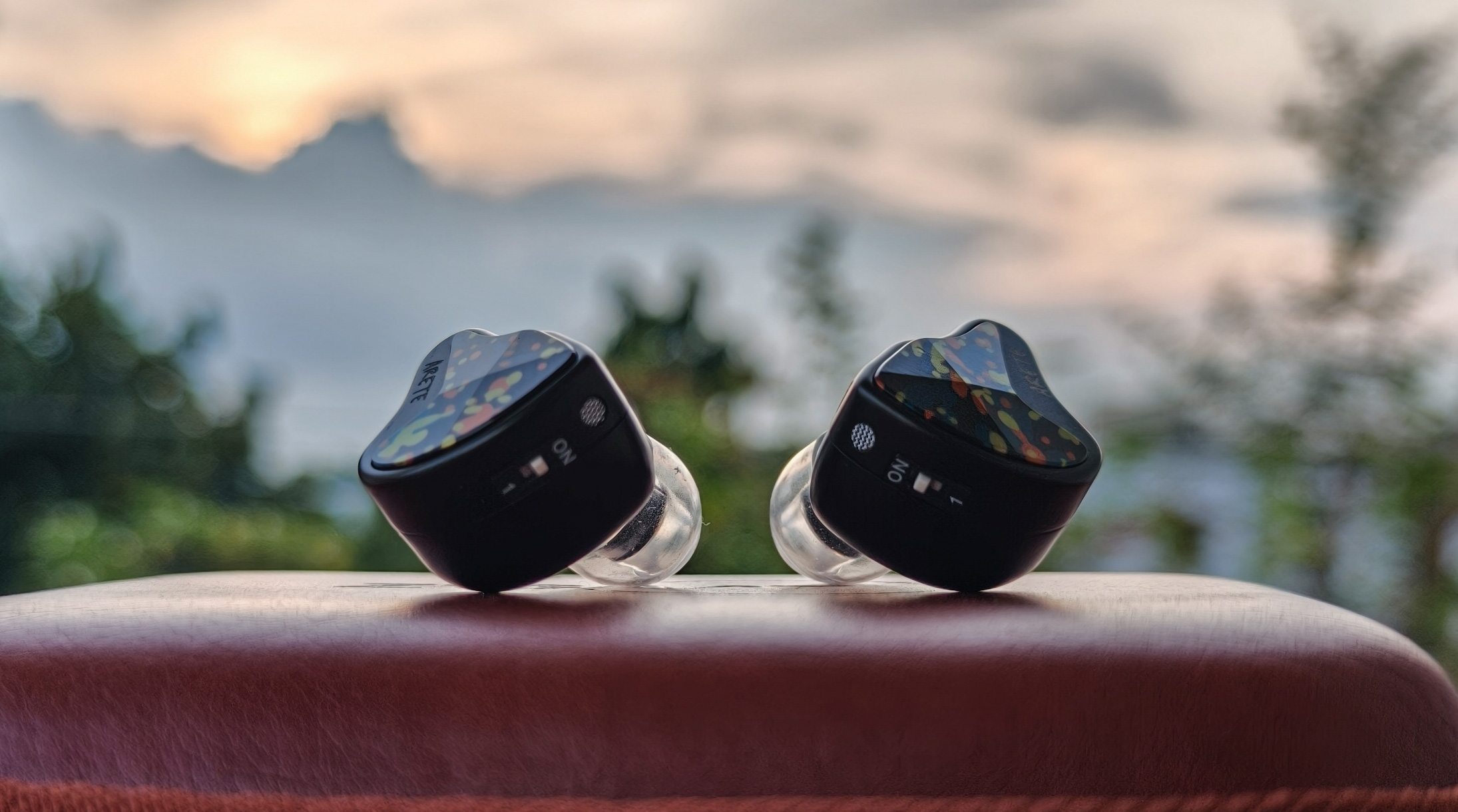
TUNING SWITCH:
This is interesting. Just like most of the switches, turning this on adds a bit more body to the mid bass to lower mid region, offering a fuller, meaty presentation. It makes the lower mids sound warmer with a bit of smoothness. It doesn’t affect the rest of the spectrum. I like this. This rescues the lower mids from sounding lean and sharpish when turned off.
When it’s turned off, Arete II’s vocals sounds a lot more similar to the Horizon but everything else sounds a bit warmer.
BASS:
This is an excellent IEM and it shows with the lower end too. This 10mm DD is more capable than some dual DD setups when it comes to overall performance. Arete II has very good punch and definition with the lows. We get nice sub-bass extension and rumbles with very good definition. Interesting thing is, this has better definition of sub-bass layers than bass head IEMs like Punch Audio Portazo. Mid bass is where the real capabilities are at. It has good area of impact but the driving force is the punch, this DD moves plenty of air into the head putting good amount of body behind the notes. Now, the good thing is it can fire these notes in various directions when needed but by default Arete II fires the notes in and downward to stay clear of any unwanted interference. The only down side is it can’t place the notes out of the. Most of the weight is at the centre while the periphery is on the lighter side. Decay is slightly on the slower side. It has very good contrast of back and foreground instruments in a nicely layered manner. Upper bass has good control. It doesn’t have much softness to it, maintaining good tightness. This has very good technicalities but if you like a lot of precision and accuracy, this might not be the one, look at Horizon.
MID RANGE:
Mid range is what I am more curious about and this IEM has two different stances here. Switch off sounds slightly off, a bit thin and slightly less cohesive but this also has better precision, mostly affecting the lower mids and one can tell the difference in energy and resolution. The good thing is it doesn’t affect the vocals much but they aren’t immune and can sound a bit less fuller.
When the switch is in on position, this IEM sounds a lot more effortless and cohesive. It’s not like the lower mid loses accuracy or precision but definitely sounds a lot more organic and natural. Vocals have good amount of body, especially male vocals are meaty, textured and have very good throat emphasis while female vocals are aptly tall yet none have any hiss or unwanted energy. They have good height too. Instruments around the vocals have good energy and finishing definition while maintaining similar energy with vocals. They don’t sound blunt but barely have any harshness here. Arete II offers very good contrast of back and foreground instruments, offering good layers, yes the air and clarity is not as clean when the switch is off but this doesn’t sound muddy either. It doesn’t have any issues with resolution and transparency of micro details but they aren’t on the face like the Horizon, especially when the switch is on. Overall tonality and timbre are on the organic and natural side offering very good cohesion. I barely have any issues with upper mids either. It has nice energy bite yet keeps it fatigue free.
HIGHS:
Highs are a bit less energetic than the forward sounding Horizon and that’s a good thing. This time around it’s slightly more comfortable and less straining. I love the way it keep things vivid yet free of any unwanted aggression giving the wind and percussion instruments a more effortless feeling. It offers nice agility and sparkle and the extension too is very good. Yes, it’s not as energetic as the Horizon, especially with the upper treble region but definitely doesn’t have any issues with relevance or clarity. Arete II has good, clean air between instruments too and its instrument positional accuracy is precise. Layering and separation are very good. It can easily stack one note behind another and the horizontal layering is very good too.
STAGE AND IMAGING:
Stage of this IEM is easily one of the most developed around $300 with a wider tall stage with good Z-axis depth. What makes it stand out are the extra layers of background instruments when compared to similarly priced IEM like Binery Acoustic 1900 and Earacoustics G318s. Bass notes fire inward, most of the vocals are placed inside the head while some of the mid range instruments eventually make it out of the head and most of the treble notes are projected out of the head. One note worthy thing is, it’s stage has good projection under the ears, giving it very good definition at the floor. Thanks to it’s aptly accurate and precise tuning, it has very good clarity and cue placements, giving it an edge over competition with transient instruments. Sonics too are very good with right amount of subtlty and contrast between back and foreground instruments.
COMPARISON:
Vs Horizon:
Horizon is a bit more expensive but is a bit more balanced and details oriented too. It doesn’t have the switch while both the IEMs have exactly same set of accessories. Arete II one ups the Horizon with metal build and smaller shell. Yes it’s slightly heavier but more comfortable too.
Arete II has nearly the same type of presentation and precision as the Horizon with the switch turned off but with a punchier, fuller bass. Yes Horizon has more treble extension and energy but can sound thin too. Mids are more cohesive and slightly warmer with Arete II while Horizon sounds a bit too precise can be a bit aggressive. Arete II has better tonality, timbre and it sounds more cohesive. Stage sizes are different too. Horizon has a wider stage that isn’t very tall or deep but Arete II stage is more rounded with better Z-axis depth.
Yes, Horizon has the edge with more details and technical capabilities but Arete II gets my recommendation because of it’s versatility, thanks to the switch.
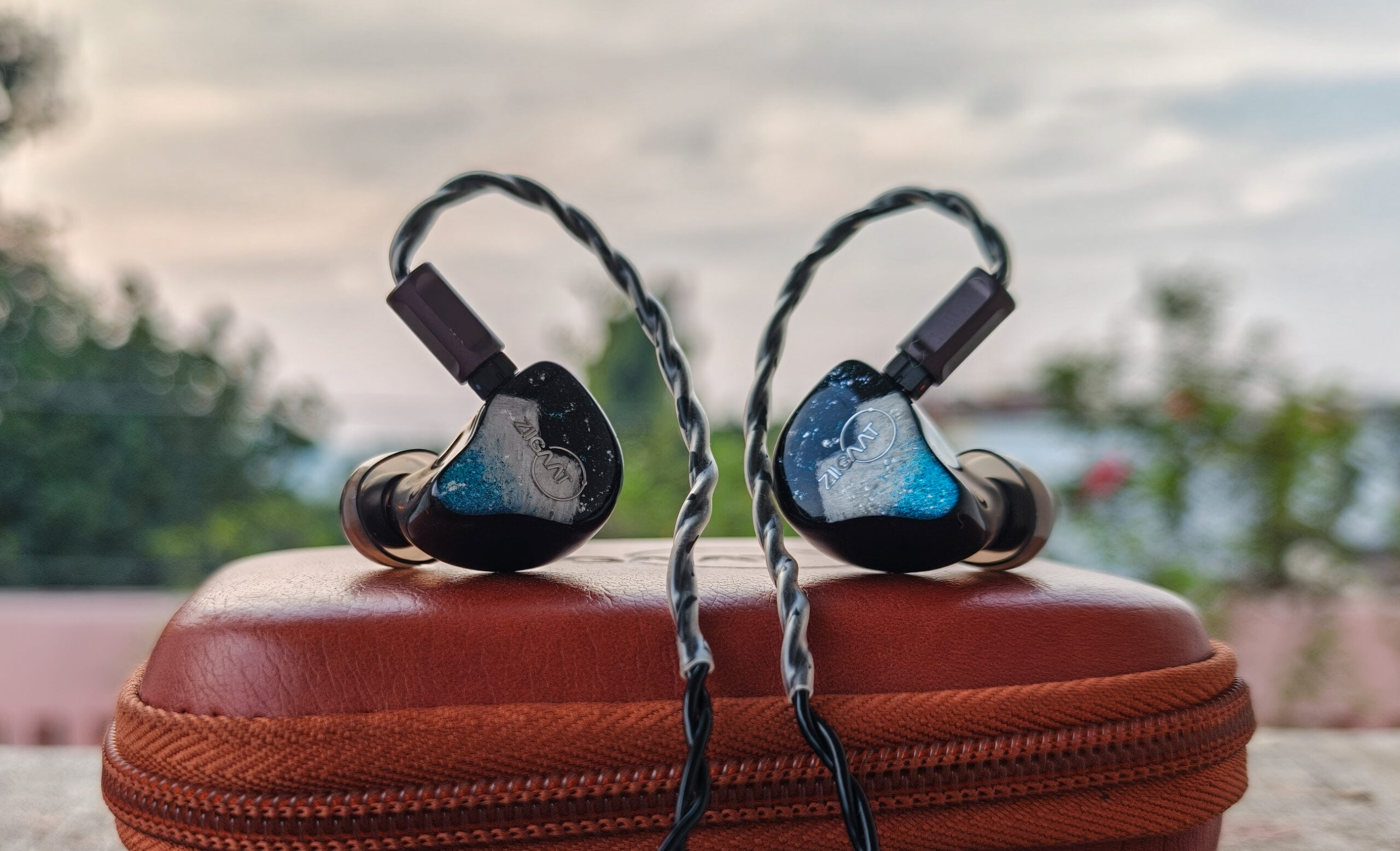
VS Binary Acoustics 1900:
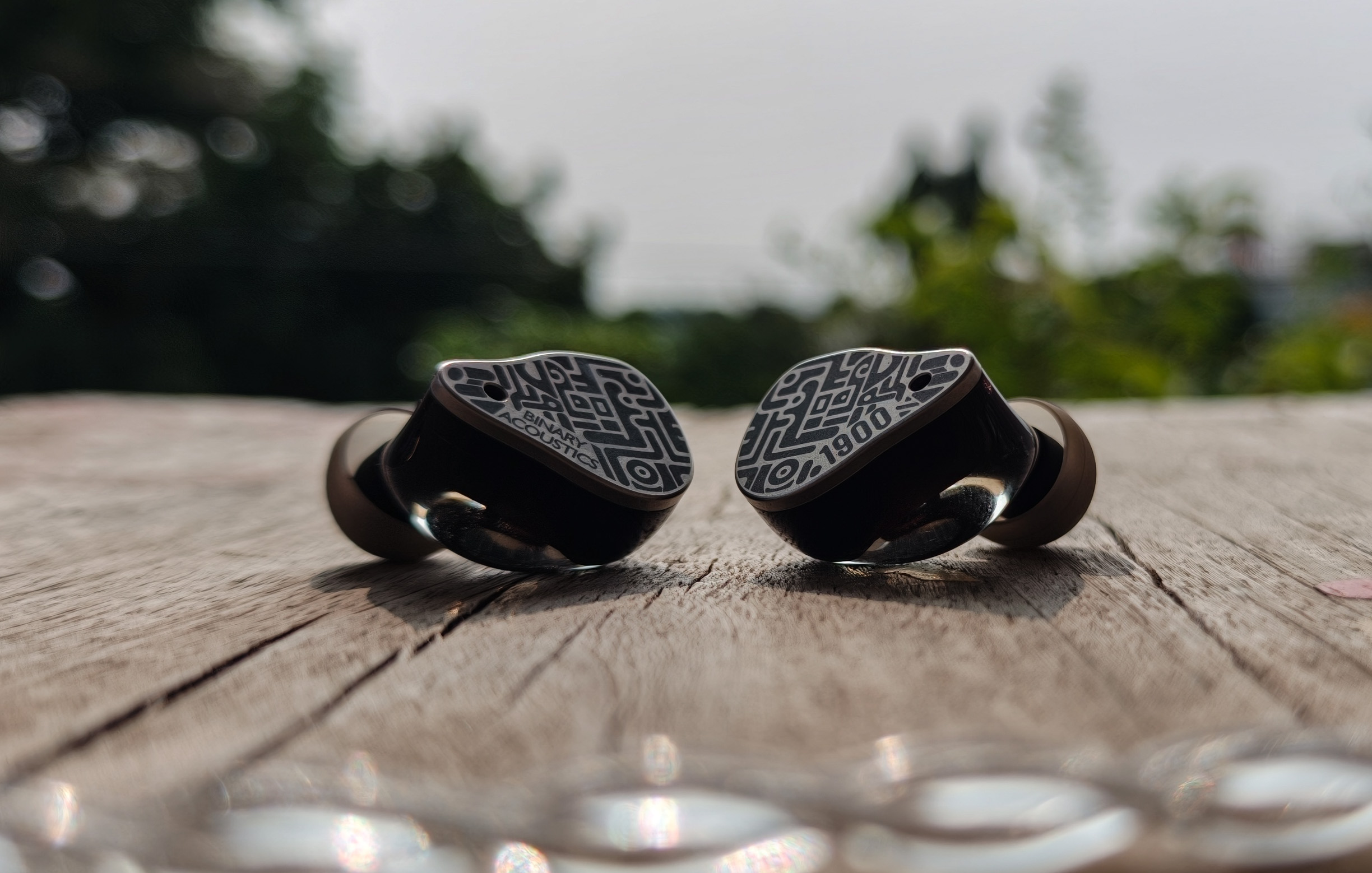
1900 overall is a warmer sounding IEM with a similarly interesting back plate design but unlike the Arete II it doesn’t have modular cable and the case is not as premium. Its shell is on the larger side.
Sound wise, Arete II has better lower end dynamics, sounds a bit more technically capable with better sub-bass extension and rumbles while 1900 is a bit more mid bassy and textured. Mid range is slightly smoother with the 1900 but its brightish undertone giving it equally impressive micro details transparency. Both IEMs have very good vocal performance too but 1900 is slightly warmer while Arete II has a bit more definition. Instruments are a smidge more cleaner on Arete II. While the 1900 has slightly more control over upper mid energy bur Arete II has no demon either. Highs on the Arete II are more agile, cleaner and extended. Stages of these two IEMs are very much similar.
CONCLUSION:
Ziigaat Arete II is an excellent example of what a W shaped IEM with a tuning switch should sound like. It’s BA drivers handle the highs exceptionally well, offering very good extension and energy without sounding sharp or uncomfortable. It offers an extra layer of background act too, giving its stage a bigger area and more developed feel. 10mm DD handles the lows with ease, offering high quality rumbles and fuller notes. Yes, mids could have been slightly more organic and emotional with the switch turned off but flick it on and this problem is solved too. All in all Arete II is easily one of the best IEMs in this price range and I have no problem in recommending it to both purists and enthusiasts.